A Queue Is Inventory with People Inside It
Little’s Law connects arrivals, waiting time and work in progress with one compact equation—but averages cannot tell you whether the wait feels fair.
The Barcode Made a Product Legible to a System
The stripes did not merely speed up a till. They gave retailers and manufacturers a shared way to identify an item across companies.
Why Central Banks Want a Little Inflation, Not None
Falling inflation means prices climb more slowly, not that they come back down. Most economists prefer it that way, and the reasons are less obvious than they sound.
Rising Yields and Small Caps: Why the Russell 2000 Pays the Price Through Credit Spreads — QMA Brain Analysis
QMA Brain analysis: with small caps and rising yields, watch credit spreads, the IWM/SPY ratio, IWM option skew, the health of KRE and the Russell 2000 balance-sheet metrics, because cheap valuation alone does not say who survives more expensive refinancing
BPOP and a Healthy Margin: When NIM Is Not Enough and the Cost of Deposits and Loans Decides — QMA Brain Analysis
QMA Brain analysis: with BPOP it is not enough to watch net interest margin rise; what matters is whether cheap, stable deposits support it, or whether pricier deposits and still-calm loan quality are only masking the picture for now
Trump's Iran Pause and Oil: Will It Show Up in Shipping, Insurance and the Futures Curve? — QMA Brain Analysis
QMA Brain Analysis: A political pause is not enough on its own; what matters is whether the calm shows up in market structure, shipping, insurance and margins, or only in the headlines.
Limiting Chinese Car Imports into the EU: Why the Percentage Alone Doesn't Decide It — QMA Brain Analysis
QMA Brain Analysis: With trade deals like this, the percentage cut is not enough to watch; what decides it is absolute volume, market share and above all the mechanism that determines whether competition disappears, gets dearer, or just finds another route.
The Nasdaq Rises: Just Relief from Oil, or a Lasting Repricing of AI and Telecoms? — QMA Brain Analysis
QMA Brain Analysis: With spectrum news it is not enough to watch who won the frequencies; what matters is whether they can turn them into coverage, lower customer churn or a stronger bargaining position against traditional operators.
When OpenAI 'Recalculates' the Story: What It Means for Chips, Cloud and Data Centres — QMA Brain Analysis
QMA Brain Analysis: With AI news the key is to watch not only the metric itself, but its size, the market reaction and how far the affected companies sit from the customer who actually pays.
Banks as an X-Ray of the Economy: When Higher Rates Improve Earnings Quality and When They Erode It — QMA Brain Analysis
QMA Brain Analysis: In bank results the key now is to tell whether higher rates genuinely improve earnings quality, or merely mask dearer deposits, weaker loans and a thinner capital cushion.
Arini -16 %: Where Did the Loss Come From — Credit, Rates, Liquidity, Leverage or Timing? — QMA Brain Analysis
QMA Brain analysis: with a hedge fund loss, the size of the drop is not enough; the key is to tell whether the mistake was in credit, rates, liquidity, leverage or timing, and whether investors are staying out of trust or only because leaving is not instant
Higher Rates Aren’t Just Hunting “Growth”: Why AI Can Benefit From Real Demand — QMA Brain Analysis
QMA Brain Analysis: Higher rates don’t automatically punish the “growth” label — they mainly punish companies that depend on cheap refinancing, while AI players with real demand may have a relative advantage.
A Stronger Yuan Is Not Enough: Will the Exchange Rate Feed Through to Exports and Margins? — QMA Brain Analysis
QMA Brain Analysis: In currency disputes, watch whether a change in the exchange rate actually feeds through to export volumes and margins; without that, a stronger yuan is more political pressure than a fix for the trade surplus.
An Options Bet on Falling Rates: Why the Same Drop in Yields Can Mean Both Easing Inflation and Fear — QMA Brain Analysis
QMA Brain Analysis: With a big options bet on falling rates, the key is first to establish how the trade is built and why yields are falling, because the same move can signal relief from inflation or fear of a weaker economy.
Energy Transfer’s One-Day Drop: What Volumes, Debt and Distribution Coverage Will Reveal — QMA Brain Analysis
QMA Brain Analysis: A one-day drop in ET is worth taking seriously only when specific layers confirm it: volumes, DCF, distribution coverage, debt, maturities and the movement of the company’s bonds.
Britain and Chinese EVs: What Decides the Real Price and Brand Registrations — QMA Brain Analysis
QMA Brain Analysis: With tariffs on Chinese EVs, watching the rate is not enough; what decides it is whether the net price, the lease payment and registrations of Chinese brands in the British market actually change.
With Copper, Watching the Price Is Not Enough: COMEX vs. LME/SHFE Reveals Real Demand — QMA Brain Analysis
QMA Brain Analysis: With copper, watching the price is not enough: check the COMEX vs. LME/SHFE gap, inventories, physical premiums, import flows and time spreads, or you may mistake tariff stockpiling for a genuine industrial boom.
Utilities Rise and Rotation Under the Microscope: What the S&P 500, the 10-Year Yield and Equal Weight Say — QMA Brain Analysis
QMA Brain analysis: treat a rise in utilities as a useful signal only alongside their relative performance against the S&P 500, the move in the 10-year yield and the equal-weight index; only that trio tells you whether this is a healthy rotation or a retreat into defence
LNG Shipping in Winter: Why It Matters Whether Tankers Take the Short Atlantic Run or Head to Asia — QMA Brain Analysis
QMA Brain Analysis: With LNG shipping, it is not enough to watch rising gas demand; the key is how many days tankers disappear on their routes, and whether they are pulled by the short Atlantic run or the long voyage to Asia.
Hormuz: When Fear Seeps Into Insurance and Waiting Times, the Cost of Shipping Rises — QMA Brain Analysis
QMA Brain Analysis: With Hormuz, it is not enough to count attacks; the key is whether fear starts showing up in insurance, tanker rates, AIS data, waiting times, shipping volumes, Brent time spreads and crack spreads.
Hartford: What "Less Conglomerate" Means for the Key Metrics — QMA Brain Analysis
QMA Brain Analysis: With capital recycling, watch above all book value, ROE/ROE ex-AOCI, the combined ratio, capital adequacy and buyback capacity — without improvement in these metrics, a "cleaner story" is just a prettier label on the same bottle.
AI Runs Into the Bill: Capex, the Cost of Debt and Off-Balance-Sheet Commitments Decide — QMA Brain Analysis
QMA Brain Analysis: With AI investment, watch less of the talk about revolution and more of the cash left after capex, the cost of debt and off-balance-sheet commitments — that is where you can tell whether the boom is just digesting or hitting a wall.
A Resilient Index Does Not Have to Mean a Resilient Market: Breadth of Gains and Credit Spreads — QMA Brain Analysis
QMA Brain analysis: a resilient index does not yet mean a resilient market; as yields rise, the key is to watch the breadth of gains, credit spreads and whether companies stand on cash or on debt waiting for more expensive refinancing
The OAT–Bund Spread Is Widening: What It Says About Pressure on French Bonds and Bank Funding — QMA Brain Analysis
QMA Brain Analysis: With French bonds, it is not enough to watch the rise in yield alone; the key is whether the gap to German Bunds is widening at the same time, and whether the pressure is spreading through auctions, CDS and bank funding.
Low Gas Stocks and Price Sensitivity to Weather: What Raises It — QMA Brain Analysis
QMA Brain Analysis: Low gas stocks are not automatically a crisis, but they raise the sensitivity of prices to weather, LNG competition and infrastructure outages.
Diesel Tax Relief: Why It May Be More of a Margin Test Than Relief for Energy — QMA Brain Analysis
QMA Brain Analysis: Tax relief on diesel can help transport and inflation, but for energy the key is whether the physical market and crack spreads improve, not just a political headline.
Red Diesel on the Highway: Is the State Lowering the Price of Fuel or Just Shifting the Costs? — QMA Brain Analysis
QMA Brain Analysis: With fuel exemptions like this, the key is to tell apart whether the state is genuinely increasing the available supply or only temporarily shifting costs between sectors and the tax system.
Trillions in New Shares Are Not Enough: What Decides Whether They Survive Higher Bond Yields — QMA Brain Analysis
QMA Brain Analysis: The sheer volume of issuance is not enough: the key is whether new shares hold their price even with higher bond yields, and whether capital flows beyond the AI champions too.
Oil Stocks Are Not a Solution, Just a Deferred Bill: Why Refilling Storage Hurts Margins — QMA Brain Analysis
QMA Brain Analysis: Oil stocks do not solve a shortage but postpone the bill; the biggest risk is underestimating future restocking and its effect on the margins of companies outside the energy sector.
A Thin Oil Cushion: 6 Billion Barrels Does Not Mean All Is Calm — QMA Brain Analysis
QMA Brain Analysis: With oil, the size of stocks is not enough; what matters is how many barrels the right refinery can use quickly, and whether time spreads, crude quality, Cushing, crack spreads and shipping capacity confirm it.
Layoffs Without Details: The Waiting Tax in Open Positions and Project Backlogs — QMA Brain Analysis
QMA Brain Analysis: With layoffs announced without details, watch not only the cost saving but the waiting tax: open positions, project backlog, restructuring costs and, above all, whether revenue keeps growing after the cuts.
Low Jobless Claims: Weak Layoffs, or Is a New Phase About to Begin? — QMA Brain Analysis
QMA Brain analysis: low jobless claims show weak layoffs, not necessarily a strong labour market; the key is to watch whether new hiring, wages and spending follow.
The Mag 7 Pull the S&P 500: What If AI Spending or Margins Disappoint and Money Does Not Spread Wider — QMA Brain Analysis
QMA Brain Analysis: In a rally led by the Mag 7, watch not only chip results and AI spending but whether money flows into the market broadly, or just moves from financials and value into a narrow group of growth stocks.
Freeport LNG Draws More Gas: Why a One-Day Outage Changes Physical Flows — QMA Brain Analysis
QMA Brain Analysis: A one-day return of higher Freeport LNG intake should be read through physical flows, stocks and weather; the headline alone does not mean a lasting change in the market.
Snap: Subscription Growth Is Not Enough. The Key Is Its Share of Revenue and Its Effect on Cash Flow — QMA Brain Analysis
QMA Brain Analysis: With Snap, dollar growth in subscriptions is not enough; what matters is its share of total revenue, paying users, ARPU, churn, margins, CAC and whether it all reaches operating and free cash flow.
Weaker Jobs Data and the Nasdaq: When the Market Sees Less Pressure on Wages and Rates — QMA Brain Analysis
QMA Brain Analysis: Weaker jobs data help stocks only when, in the detail, they look like cooling pressure on wages and rates, not the start of a crack in demand, hours worked and company profits.
Chapter 11 at Leslie’s: The Business Goes On, but What Happens to the Old Shares? — QMA Brain Analysis
QMA Brain Analysis: In a Chapter 11, always separate the survival of the business from the fate of the old shares: what matters is the order of claims, DIP financing, the reorganisation plan and who gets the new value after the debt is rewritten.
Trump and a Diesel Export Ban: Why Stocks and the Crack Spread Matter, Not Crude — QMA Brain Analysis
QMA Brain Analysis: With diesel news, watch less of the political gesture and more of the physical logistics, distillate stocks and the crack spread — that is where it is decided whether price tension is really easing.
AI Shows the Split: Companies Collecting the Cash vs. Those Still Paying the Bill — QMA Brain Analysis
QMA Brain Analysis: With AI, watch the gap between companies that collect the cash and companies that are still paying the bill and must prove a return — the story alone is not enough.
Fear for Screen-Based Jobs in the Data: Will It Show Up in House Prices? — QMA Brain Analysis
QMA Brain Analysis: With AI doomsday reports, the main thing to watch is whether fear for screen-based jobs shows up in hard data on employment, WARN notices, wages, mortgage applications, home listings, price cuts and time on the market. Without that, it is more mood than pressure on prices.
A Growth Budget Is Not Enough: Itochu Must Turn Capital Growth into ROIC and Cash — QMA Brain Analysis
QMA Brain Analysis: Itochu's big growth budget only makes sense if the capital deployed shows up in ROIC above the cost of capital, in cash and in sensible debt levels, and not just in higher revenue.
Multifamily REITs: When a Discount to NAV Really Reflects a Higher Implied Cap Rate — QMA Brain Analysis
QMA Brain Analysis: A discount to NAV only carries weight when it is confirmed by a higher implied cap rate, safely spread-out debt and acquisitions yielding more than the cost of capital without diluting FFO and NAV per share.
Brief Oil Relief at Hormuz Is Not Enough: What Diesel Margins Will Show — QMA Brain Analysis
QMA Brain Analysis: Short-term relief in oil is not enough on its own. Watch whether the tension shifts into diesel margins, distillate stocks and the margins refiners actually report in their income statements.
Eurozone Inflation: What Matters Is Pass-Through to Core Prices, Wages and Margins — QMA Brain Analysis
QMA Brain Analysis: With energy-driven inflation, the main thing to watch is pass-through to core prices, wages and company margins. A higher figure alone does not yet tell you whether this is a temporary energy bill or a more lasting inflation problem.
The $388 Million Bitget Hack: How Much Was Frozen and Who Covers the Loss — QMA Brain Analysis
QMA Brain Analysis: With crypto hacks, watch the frozen-to-stolen ratio, the size of the protection fund against the loss, and whether the damage is paid from genuinely strong reserves or only from client trust.
Ukraine's Long-Range Strikes: What the Market Really Prices When It Ignores the Explosion — QMA Brain Analysis
QMA Brain Analysis: With geopolitical headlines that lack detail, do not just watch the explosion. Watch whether fear turns into measurable costs: commodities, shipping insurance, margins and political reactions.
Tech Has Led for a Fourth Year, but Rising Rates Put the Pace of Earnings to the Test — QMA Brain Analysis
QMA Brain Analysis: For the tech market, the key point is not just that rates are rising, but whether they are rising faster than earnings and whether the index is being carried by too narrow a group of companies.
Weaker Demand for Chinese EVs Drives Discounts and Inventory: What It Does to Margins — QMA Brain Analysis
QMA Brain Analysis: With Chinese EVs, counting cars sold is no longer enough; the key is to check whether weaker domestic demand is leading to discounts, rising inventory and poorer conversion of revenue into cash.
Cracks in Bonds: The Refinancing Calendar, Interest Costs and Cash Coverage — QMA Brain Analysis
QMA Brain Analysis: With stories like this, watch GDP itself less and the refinancing calendar, interest costs and companies' ability to service debt from cash more.
LPG Up 9–11%: What Matters Is How Much of the Cost Each Company Carries — QMA Brain Analysis
QMA Brain Analysis: With LPG, the 9–11% price rise alone is not the story; what matters is how large a share of a company's costs LPG makes up and how quickly it can pass the higher input on in its prices without losing volume.
The AI Rally Meets Bond "Gravity": Why Higher Long-Term Yields Are Pulling Down the Nasdaq — QMA Brain Analysis
QMA Brain Analysis: With AI stocks, enthusiasm for the technology is not enough; the key is whether rising long-term yields start cutting the value of future profits faster than companies can prove growth in revenue and margins.
A $15 Billion Steel Mill: What Decides Tariff Lifespan, Margins and Free Cash Flow — QMA Brain Analysis
QMA Brain Analysis: With big industrial announcements, watch the ceremonial speech less and the lifespan of tariffs, project financing, margin per tonne and free cash flow more.
Kashagan and Kazakhstan's Reserves: What the Dispute Changes in Cash Flow and the Risk Premium — QMA Brain Analysis
QMA Brain Analysis: With oil megaprojects, the headline size of a fine is not enough; what matters is how large a given company's share is relative to its cash flow and whether the dispute raises the risk premium for other projects in the country.
Eurosclerosis: When Free Trade Is Not Enough and the Indicators Behind a Deal Decide — QMA Brain Analysis
QMA Brain Analysis: With calls like this, watch above all for the shift from political rhetoric to the text of a deal, and then the hard indicators of eurosclerosis: energy versus the US, productivity, the IPO market, R&D, permitting, orders, margins, cash flow and credit activity.
Energy Inflation Can Spread: Fewer Worries for the ECB Only If It Stays in Energy Prices — QMA Brain Analysis
QMA Brain Analysis: With energy inflation, don't watch only its size but above all whether it stays locked in energy prices or spreads through services, wages and bond yields into the whole economy.
Alaska LNG: When a Political Plan Turns into Commitments and Contracts in the Accounts — QMA Brain Analysis
QMA Brain Analysis: With LNG megaprojects, a political announcement is not enough; what matters is whether a pot of money turns into committed capital, offtake contracts, an FID and concrete orders in companies' accounts.
S&P 500: When a Few Tech Giants Steer the Market, Why October Raises the Risk — QMA Brain Analysis
QMA Brain Analysis: When the equal-weight S&P 500 lags by 5 percentage points or more while yields and oil both rise, the headline index can look calmer than the risk building up beneath the surface.
Why the Oil Price Alone Will Not Explain Airlines in a Fuel Crisis: Fuel Cost, Interest Coverage — QMA Brain Analysis
QMA Brain Analysis: For airlines in a fuel crisis, the oil price is not the only thing that matters. What decides is the combination of fuel cost, interest coverage and free cash flow after fleet investment.
When a Week of Tech Beating Defensives Means Something: Growth, Earnings and Funding Costs — QMA Brain Analysis
QMA Brain Analysis: A single week of tech outperforming defensives carries real weight only when it is backed by broad gains, resilient earnings outlooks and funding costs that are not worsening across the market.
Hormuz and the "Escaped Agent": How the Price of Fear Becomes a Lasting Shortage — QMA Brain Analysis
QMA Brain Analysis: The key risk is mistaking a short-term price of fear for a lasting shortage. What decides is the futures curve, insurance costs, inventories and, for AI, mainly capacity utilisation versus depreciation.
Autonomous AI Agents: The Biggest Cost Is Oversight, Step Approval and Accountability — QMA Brain Analysis
QMA Brain Analysis: With autonomous AI agents, watching how smart the model is is not enough. What matters is how broad its permissions are, how many steps a human must approve and who pays the bill when the agent makes a mistake.
AI and IPOs: Three Gates of Trust Both the Product and the Economics Must Pass — QMA Brain Analysis
QMA Brain Analysis: With AI and IPOs today, watch three gates of trust: whether the product can safely go out, whether the economics can carry the costs and whether the capital market wants to fund a growth story at all.
Higher US Real Rates: Which Companies Will Cope and Which Will Lose — QMA Brain Analysis
QMA Brain Analysis: Higher real rates are not automatically bad news, but they separate more sharply the companies that can turn more expensive capital into earnings growth from those that merely carry higher funding costs.
Trump–Xi: For Markets, the Truce Is About Margins, Inventories and Capex, Not Smiles — QMA Brain Analysis
QMA Brain Analysis: At US–China summits, watch the politicians' smiles less and watch more closely whether uncertainty starts to fade from margins, inventories, capex and company comments on licences and tariffs.
Russian Oil for India: The Discount in the Delivered Price Is Fading, So Watch More Than Brent — QMA Brain Analysis
QMA Brain analysis: in oil shocks, watch not only the Brent price but above all the delivered price per barrel and crack spreads; that is where it shows whether this is an advantage for producers, pressure on refiners, or future pressure at the pump.
A 15 Billion Dollar Steel Mill: What Will Decide Whether the 2030 Plan Gets Built — QMA Brain Analysis
QMA Brain analysis: with megaprojects it is not enough to watch the announced sum and capacity; what decides is the specific technology, energy, inputs, permits, financing and buyers.
The AI Boom Hits the Infrastructure Bill: CapEx, Depreciation and Inference in Practice — QMA Brain Analysis
QMA Brain analysis: with AI it is not enough to watch who builds the most; the key is whether CapEx, after depreciation, capacity utilisation and inference costs, actually generates cash and a return on capital
A Buyback Authorization Is Not a Purchase
Nvidia has enlarged its share-repurchase authority by $150 billion. The record number is real, but it is permission to buy over time—not evidence that $235 billion has already left the company.
In AI Data Centres, Chinese Capital Matters Too: Who Pays for the Electricity and the Regulation — QMA Brain Analysis
QMA Brain analysis: with AI data centres it is not enough to watch who builds them and who supplies the chips; the key is what exact role Chinese capital or a Chinese supplier plays, and who ends up paying for electricity, depreciation, permits and regulation.
Trump Changes Fuel Economy Limits: How It Could Shake Up EV Commitments and Carmaker Margins — QMA Brain Analysis
QMA Brain analysis: looser rules may help carmakers, but the real effect will show only in the mix of cars sold, fines or credits, margins, inventories, capex and the use of EV capacity.
TransMedics (TMDX): When Revenue Growth Improves Margin and Cash Flow, and When It Only Raises Costs — QMA Brain Analysis
QMA Brain analysis: with TMDX it is not enough to watch revenue growth; the key is whether the logistics network eventually shows up in better gross margin, operating cash flow and a lower cost for each additional case served.
The Box That Taught the World to Move
Malcom McLean’s steel container mattered because ships, cranes, trucks, ports and standards learned to treat it as the same object.
It Is Not Just the Oil Price: the Market's Absorption Capacity Decides How Big the Shock Will Be — QMA Brain Analysis
QMA Brain analysis: with energy shocks, watch not only the oil price but above all the market's absorption capacity: inventories, days of cover, OPEC+ spare capacity, the futures curve, crack spreads and companies' ability to pass costs on.
AI as the New "Customs Officer" Between the US and China: the Impact on Revenue, Margins and Export Licences — QMA Brain Analysis
QMA Brain analysis: with US–China summits, the key is not to follow the rhetoric alone, but how it seeps into revenue, margins, inventories, capex and export licences in companies' next results.
Hormuz: A Seven-Day Countdown Will Show Whether Risk Feeds Into Shipping and Margins — QMA Brain Analysis
QMA Brain analysis: with Hormuz it is not enough to watch the headline about a deal; the key is whether physical flows resume and whether the risk premium actually feeds into shipping, insurance and company margins.
Hormuz: Why Only Insurance and Route Data Will Show What Is Really Happening — QMA Brain Analysis
QMA Brain analysis: with Hormuz it is not enough to watch the oil price; until concrete data show movement in insurance, tanker rates, AIS routes and physical flows, this is a repricing of uncertainty rather than a proven operational shock.
Erste and a Bigger Acquisition in Poland: Why It Is Not Just About the Stake — QMA Brain Analysis
QMA Brain analysis: with bank acquisitions it is not enough to watch the size of the stake; the key is the price, the capital impact and the degree of control behind it.
Tariffs Slim Down by 30 Billion: How the Saving Arises and Where It Will Show Up — QMA Brain Analysis
QMA Brain analysis: with deals like this, watch mainly the list of goods affected, the effective date, inventory turnover and whether companies pass the saving into margins or into prices for customers.
AI Risks Beyond Regulation: Recurring Costs for Security, Audit and Electricity in the Accounts — QMA Brain Analysis
QMA Brain analysis: with news about AI risks, do not watch only the word regulation; the key is who will carry the recurring costs of security, audit and electricity, and where those costs will show up.
Rising Long-Term Yields and the Term Premium: What Changes Growth Stock Valuations and the Cost of Credit — QMA Brain Analysis
QMA Brain analysis: the key risk is not just the politics around AI, but whether the rise in long-term yields is driven by the real rate and the term premium, because that is what changes growth stock valuations most.
Oil Got Cheaper: Is Physical Tightness Fading, or Just the Fear Premium? — QMA Brain Analysis
QMA Brain analysis: with geopolitical oil news, the key is to tell whether the real physical tightness of the market is easing, or only the premium for fear is disappearing.
Oil Got Cheaper, but Bond Yields Stay High: Why Capital Still Hurts — QMA Brain Analysis
QMA Brain analysis: when oil falls but bond yields stay high, tell apart short-term relief in margins from a cost of capital that is still expensive.
Billion-Dollar Licensing Deals: How Much Is Actually Certain and What Is Just Milestones? — QMA Brain Analysis
QMA Brain analysis: with billion-dollar licensing deals, the key is to separate guaranteed upfront cash from conditional milestones, because that is often where the gap between the headline and reality hides.
When Volatility Rises and Credit Spreads Widen: What to Watch in High Yield and Banks — QMA Brain Analysis
QMA Brain analysis: take nervous bonds and weak banks seriously mainly when government bond volatility rises, the financial sector lags the market and specific credit spreads widen at the same time.
Five Whys Is a Starting Point, Not a Root-Cause Certificate
Repeating one question can move a team beyond the nearest symptom. It cannot, by itself, prove that the fifth answer is the cause that matters.
The Next AI Wave: It Is No Longer Just About Chips, but About Margins, Cash Flow and Profits — QMA Brain Analysis
QMA Brain analysis: in the next AI wave, watch the fashionable vocabulary less and the income statement more: margins, cash flow, earnings revisions and whether revenue grows faster than the cost of AI infrastructure.
Nasdaq Sell-Off: Are Yields Rising Because of Real Rates or Inflation? — QMA Brain Analysis
QMA Brain Analysis: With a Nasdaq futures sell-off, the size of the drop is not enough — what matters is telling whether yields are rising because of real rates or inflation expectations,
Trump–Xi, Hormuz and AI: Why Markets Price Risk Before the Event — QMA Brain Analysis
QMA Brain Analysis: The biggest risk is mistaking summit rhetoric for a finished deal, and a geopolitical threat for zero impact, because markets often price risk before the ev
Profit Is Not Cash in the Bank
A sale can improve the income statement before the customer pays. The gap between earning, billing and collecting is where healthy-looking businesses can run out of room.
GDP Grows 5%, but a 10-Year Yield Above 5% Changes the Logic for Stocks: Watch Margins — QMA Brain Analysis
QMA Brain Analysis: Strong GDP growth is positive for the market mainly when it lifts expected earnings faster than yields raise the price of time; with the 10-year yield above 5%, it is key to watch
Espey: even good results can hide a problem in the pace of new orders — QMA Brain Analysis
QMA Brain Analysis: For backlog-driven companies, compare new orders with revenue: when book-to-bill falls below 1, a company can report strong results while at the same time consuming
East Palestine reopens the question of trust in measurement: can industrial tests be verified? — QMA Brain Analysis
QMA Brain Analysis: In environmental cases, the key question is not only what happened, but whether the measurements meant to close the case are credible and independently verifiable.
Bank of America After the Sell-Off: Deposit Beta, Reserves and Loan Charge-Offs — QMA Brain Analysis
QMA Brain Analysis: With BAC, it is not enough to watch the supposed discount to fair value; what matters is whether net interest income, deposit beta, reserves, net loan charge-offs and the capital cushion confirm the quality of earnings.
With Russian gas, volume alone no longer decides: the key is deliverability, contracts and price — QMA Brain Analysis
QMA Brain Analysis: With gas, watching production or export volume is not enough; what decides is whether there is a deliverable route, a paying buyer and a price that, after all the restrictions, makes economic sense.
The ARM share of mortgages nears 10%: why expensive fixed rates raise future interest-rate risk — QMA Brain Analysis
QMA Brain Analysis: An ARM share of around 10% is not in itself a return to the mortgage frenzy before 2008, but compared with the era of cheap fixed rates it shows that expensive rates are pushing some households to trade affordability today for greater interest-rate risk in the future.
The Iran war is reshaping the LNG market: Europe struggles to fill its storage and gas gets pricier — QMA Brain Analysis
QMA Brain Analysis: The biggest risk is not just a physical gas shortfall, but the LNG market losing its flexibility at exactly the time Europe needs to fill its storage.
Hormuz: how shocks change the gap between the jet crack and the diesel/ULSD crack — QMA Brain Analysis
QMA Brain Analysis: With shocks around Hormuz, watch not just oil, but above all the jet crack versus the diesel/ULSD crack, regional spreads, jet fuel inventories and refinery utilization — that is where the impact on margins and transport prices is decided.
AI turbo-engine only for a few giants: energy and inflation keep eating margins — QMA Brain Analysis
QMA Brain analysis: Watch out for a market that looks strong mainly thanks to a few AI giants, while energy and inflation quietly eat into the margins of the rest of the economy.
AI cloud: why CapEx growth isn't enough and what demand through partnerships and credits reveals — QMA Brain Analysis
QMA Brain Analysis: With AI cloud it isn't enough to track CapEx and revenue growth; the key is to separate independent demand from consumption created by partnerships, equity investments, cloud credits and purchase commitments.
With LNG, watching the commodity price isn't enough: inventories, regional gaps and ship availability — QMA Brain Analysis
QMA Brain Analysis: In energy it isn't enough to read the commodity price; with LNG, what also matters is inventory levels, the price gap between regions, ship availability, the length of an outage and whether higher margins actually turn into cash.
Why a lower price for Venezuelan oil needn't lower the delivered price per barrel — QMA Brain Analysis
QMA Brain Analysis: With Venezuelan oil, don't just watch the size of the discount; watch whether the delivered price per barrel actually falls once shipping, insurance, legal risk and the alternative of other heavy crudes are factored in.
Why the price of gasoline depends on the type of biofuel: ethanol, biodiesel, renewable diesel and SAF — QMA Brain Analysis
QMA Brain Analysis: With biofuels it isn't enough to track the growth of mandates; the key is to tell ethanol, biodiesel, renewable diesel and SAF apart, because each type has different inputs, technology and costs, and a different ability to pass pricier feedstocks on.
Diesel, refining and oil: why the same event pays out differently — QMA Brain Analysis
QMA Brain Analysis: With energy news the key is to distinguish oil, refining and diesel: the same geopolitical event can help refiners, hurt carriers and make everyday goods more expensive for consumers.
AI enthusiasm trumps rates in the short term, but monetization will decide: ARPU, attach rate and margins — QMA Brain Analysis
QMA Brain Analysis: The AI story can trump interest rates in the short term, but with reports like this it makes sense to watch concrete monetization metrics such as ARPU, attach rate, churn, margins, inference costs and capex relative to revenue.
Profits are rising, but cash flow is not: why good results are not enough for AI firms — QMA Brain Analysis
QMA Brain analysis: It is not enough that AI firms are seeing profits rise; the key risk is whether EBITDA growth actually converts into free cash flow, or whether capex and working capital eat it up.
At 16x for utilities: regulation, the cost of debt, and earnings growth — QMA Brain Analysis
QMA Brain analysis: Electrification is a powerful long-term story, but for utilities the decisive question is whether a multiple around 16x matches the cost of debt, the regulator, and the actual growth in earnings.
Trump–Xi and tariffs: what it changes for AI chip exports, cloud services and EVs — QMA Brain Analysis
QMA Brain analysis: With AI and EV geopolitics, it is not enough to read the headline about a deal; the key is whether the rules reach chip performance, licences, servicing, cloud computing, and above all corporate cash flow via capex, inventories and margins.
Diesel is not just about price: low inventories reshape cash, margins and the cost of transport — QMA Brain Analysis
QMA Brain analysis: With diesel, it is not enough to look at the price itself — the key is whether the market rewards prompt delivery, because low inventories then raise pressure on cash, margins, and the cost of transport.
German elections: whether the pressure shows up in Bund yields, the euro, and credit — QMA Brain Analysis
QMA Brain analysis: In the German elections, the key question is not just who wins, but whether political pressure will show up in Bund yields, the euro, credit spreads, and the investment plans of industry.
Gold and energy: what shapes a bullish outlook more than the price itself — QMA Brain analysis
QMA Brain analysis: With commodities, watching the price is not enough; a sharper picture emerges when the price is confirmed by real yields, the dollar, the shape of the commodity curve, and above all by the margins of companies along the chain.
Taiwan before the Trump–Xi meeting: how tension can translate into shipping routes and prices — QMA Brain Analysis
QMA Brain Analysis: Don't read the military drill as an automatic forecast of conflict; watch whether tension starts to simultaneously feed into routes, shipping insurance, credit spreads, options volatility and real defense orders.
Crypto Waits for Regulation: When a Delayed Bill Means the End of Uncertainty and When It Only Shifts the Risk — QMA Brain Analysis
QMA Brain analysis: The biggest risk is mistaking a delayed bill for the end of regulatory uncertainty; with crypto it matters whether we are looking at a mere rule proposal, a final rule, a regulator's enforcement action, a court ruling, or just a political pause.
Rising freight rates are not automatic profit: when fuel, spot rates and importer margins come together — QMA Brain Analysis
QMA Brain analysis: The biggest risk is mistaking rising freight rates for a pure benefit to carriers. What matters is whether fuel costs, spot rates and importer margins start rising together.
Falling crude may not relieve carriers: watch the ULSD crack spread and diesel prices — QMA Brain analysis
QMA Brain analysis: A drop in crude alone is not enough — with carriers, watch mainly the ULSD crack spread, distillate inventories, the DOE/EIA diesel price and the lag of fuel surcharges in contracts.
When "backing down" trades stop working: what changes if there is no retreat — QMA Brain Analysis
QMA Brain analysis: Watch out for trades built on political habit — until oil, sector rotation, bonds and the endurance of the move confirm the playbook's failure, it may be more a story than a genuine repricing of risk.
EDF: 10 small reactors run into licensing, orders, and the grid connection agreement — QMA Brain Analysis
QMA Brain analysis: For SMRs, watch mainly the transition from ambition to licensing, the final investment decision, concrete orders in suppliers' backlogs, and the grid connection agreement.
Expensive diesel: how long does pressure in distillates work on harvest, transport and margins — QMA Brain Analysis
QMA Brain analysis: With expensive diesel, don't look only for the oil story: the key is whether pressure in distillates hits harvest, transport and margins long enough to pass through into food.
AI Copyright as a Hidden Cost Item: What It Will Do to Data Prices and Margins — QMA Brain Analysis
QMA Brain Analysis: AI copyright is not just legal noise — it can change the price of data, the margins of AI applications, and the bargaining power of publishers.
High rates are no longer just about how high, but about how long they last — QMA Brain Analysis
QMA Brain analysis: With higher rates, it isn't just about the increase itself, but about how long time stays expensive — and whether pressure on valuations spills over into credit stress.
With utilities, "one category" is not enough: what sets Vistra and Talen apart — QMA Brain Analysis
QMA Brain analysis: With utilities today, a sector label is not enough: the key is to find out whether a company earns a regulated return, a market price for available capacity, or is still building a project that depends on financing and permits.
Tokenized stocks in the US: digital form is not enough, the legal claim decides — QMA Brain Analysis
QMA Brain analysis: With tokenized stocks, the key is not that they are digital, but whether a real legal claim stands behind the token and whether the issuer can block it.
The Bank of England Changed the Exit Route, Not the Destination
Britain’s central bank paused its own bond auctions and redrew the final years of quantitative tightening. That changes who may execute the sales, not the decision to unwind the monetary-policy portfolio.
SMFG profit growth is not enough: does it hold up after checking credit losses, capital intensity and funding? — QMA Brain Analysis
QMA Brain analysis: For SMFG, the key is not only whether profit and ROTE grow, but whether that growth holds up after checking credit losses, capital intensity, funding and currency risk.
US housing starts came in weaker than expected: what it reveals about residential construction — QMA Brain Analysis
QMA Brain analysis: Housing starts came in weaker than expected, but without permits, completions and a split between single-family and multifamily homes, they cannot tell a finished story about prices or rents.
A hawkish Fed is not enough: when oil drives inflation, what changes for the market? — QMA Brain Analysis
QMA Brain analysis: A hawkish Fed does not automatically calm the market: if oil is behind inflation, what matters is whether inflation expectations, real yields or the risk premium are rising.
Venezuela is surrounded by oil mega-reserves. But who really holds the keys to exports? — QMA Brain Analysis
QMA Brain analysis: With oil mega-reserves, watch above all the path from geology to actual exports: permits, capital, infrastructure and confirmation in the sector's orders.
Oil routes and the Red Sea: when it is not an outage, just costlier uncertainty — QMA Brain Analysis
QMA Brain analysis: With threats to oil routes, distinguish whether the market is pricing an actual loss of barrels or just costlier uncertainty in shipping — the impact on sectors is then completely different.
Revolut and the fake authority: weak identity verification can cost more than a data leak — QMA Brain Analysis
QMA Brain analysis: In fintech cases, the key isn't only whether data leaked, but whether the error exposes a weak identity verification process — which can cost more in trust than the technical incident itself.
Reckitt pours 400 million dollars into manufacturing: how it could affect margins and inventories — QMA Brain Analysis
QMA Brain analysis: With manufacturing investments, it isn't enough to watch the size of the announced amount; the key is to check whether it later translates into better availability, stable margins, and a healthy ratio of inventories to sales.
The Fed faces a "rate Sudoku": the market expects a hike, the risk lies in the tone — QMA Brain Analysis
QMA Brain analysis: When the market is already almost certain of a rate hike, the biggest risk lies not in the Fed's move itself, but in the tone of its commentary and the reaction of yields, the dollar, credit spreads and the breadth of the stock market.
AI giants and "less regulation": why the Pentagon rejects a semi-state role — QMA Brain Analysis
QMA Brain analysis: Political rhetoric about less regulation may lift AI sentiment in the short term, but a sturdier story has to be confirmed by revenue, margins, backlog/RPO, and earnings revisions — not just rising share prices.
Record diesel: who passes costs on and whose margins "bleed" — QMA Brain Analysis
QMA Brain analysis: With record diesel prices, watch above all who can pass the cost on; the rise in fuel prices alone does not yet tell you who in the market wins and whose margins bleed.
Magnificent Seven back in the lead: market breadth and whether AI capex lifts cash flow — QMA Brain Analysis
QMA Brain analysis: With the Magnificent Seven, look beyond the price at their weight in the index, market breadth and whether AI capex actually increases future cash flow or just eats into free cash in the short term.
When long yields and oil rise at the same time: what it says about future profits — QMA Brain Analysis
QMA Brain analysis: Watch out for days when long yields and oil rise together: the market is then weighing not just stock valuations, but also the risk that future profits will be smaller.
The oil price is not enough: refining bottlenecks and whether margins turn into cash — QMA Brain Analysis
QMA Brain analysis: With geopolitical shocks in energy, watch not only the oil price, but above all refining bottlenecks and whether companies actually capture higher margins in cash.
AI turbo vs the bond "handbrake": why rising yields also cheapen tech time — QMA Brain Analysis
QMA Brain analysis: With AI news, it is not enough to follow the excitement around the story — the key is to distinguish how much of a company's value lies in distant profits, because those are exactly what rising bond yields cheapen the fastest.
Starwood Property Trust: how turning loans into real estate cuts interest income — QMA Brain Analysis
QMA Brain analysis: With real estate lenders, counting problem loans is not enough; the key is to measure how much of the portfolio stops earning interest, how this feeds into distributable earnings against the dividend, and whether book value is catching up with reality only after a delay.
Dinner prices rising faster than household expectations: what it does to rates — QMA Brain Analysis
QMA Brain analysis: Food inflation is dangerous mainly because it often changes household expectations faster than economists' spreadsheets, and so it can prolong the pressure on rates and corporate margins.
Record valuations of miners: what happens when pricier energy squeezes margins? — QMA Brain Analysis
QMA Brain analysis: The record market capitalization of miners does not by itself say whether the sector is really getting richer; what matters is how quickly pricier energy raises unit costs and eats into margins.
When long-term rates rise, what matters is who stays in the index: is debt thinning the market? — QMA Brain Analysis
QMA Brain analysis: When long-term rates rise and a few giants hold up the index, the key question is not just how many stocks are rising, but whether the companies leaving the market are mainly those with higher debt, weaker cash flow and a near-term need to refinance.
When the repricing of Fed rate expectations reaches bond prices and growth stocks — QMA Brain Analysis
QMA Brain analysis: The key risk of the week is not the Fed decision itself, but whether retail data and corporate commentary reprice rate expectations again, and with them the valuations of bonds and growth stocks.
AI regulation and its impact on smaller companies: why the capital cost of entry may rise — QMA Brain Analysis
QMA Brain analysis: With AI headlines, the first step is to determine whether it concerns a foundation model, a high-risk application, cloud infrastructure or a SaaS product — only then can the impact on margins, capital expenditures and barriers to entry be sensibly assessed.
Attack on an oil pipeline: why the biggest price rise threatens when a backup export route is hit — QMA Brain Analysis
QMA Brain analysis: With geopolitical oil shocks, knowing the capacity of the affected route is not enough — the key is to verify whether exports actually dropped out, or whether the market is just repricing the vulnerability of the backup channel.
Snap's revenue growth: will it offset a weaker North American audience, or is it just a shift to less lucrative regions — QMA Brain Analysis
QMA Brain analysis: With Snap, it isn't enough to watch revenue and user growth; the key is whether growth is coming mainly from less lucrative regions while the most valuable audience in North America is weakening.
Lower debt is not enough for Comstock: the test is Western Haynesville well economics at different gas prices — QMA Brain Analysis
QMA Brain analysis: Comstock's lower debt is positive for financial resilience, but the key test lies in Western Haynesville's price sensitivity with gas at around 2.50 / 3.30 / 4.00 USD and in where the wells' breakeven really lies.
India–China: how to spot “calm on the border” in FDI, electronics and imports — QMA Brain Analysis
QMA Brain analysis: One diplomatic sentence will not redraw the border, but its real impact can be checked through FDI, electronics production and exports, imports of Chinese inputs and the costs of Asian logistics.
Gasoline and inflation: when a short price shock starts to weigh on wages and services — QMA Brain Analysis
QMA Brain analysis: With energy inflation, the key is not to watch only the price of gasoline, but whether a short price shock turns, through its duration, breadth and wages, into stickier pressure on services and expectations.
Oil falls 4%: Why talks with Iran change more than just the price of a barrel — QMA Brain Analysis
QMA Brain analysis: Watch specific indicators such as the war-risk premium and export volumes to tell short-term expectations apart from a fundamental change in supply and demand.
When gasoline, the 30-year mortgage and the 10-year yield add up: how campaign inflation moves the market — QMA Brain Analysis
QMA Brain analysis: With political news about inflation, watch above all the combination of gasoline, the 30-year mortgage and the 10-year yield — when they hurt at the same time, the campaign quickly turns into pressure on consumption, margins and valuations.
Mokha and the Red Sea: new routes are changing insurance and carriers' margins — QMA Brain Analysis
QMA Brain analysis: With geopolitical news like this, watch mainly whether ship routes, insurance and company margins are changing, not just the headline from the map.
The Iran-US stalemate and oil: waiting, tanker rates and margins decide — QMA Brain Analysis
QMA Brain analysis: In drawn-out geopolitical tension, the combination of insurance premiums, tanker rates, AIS gaps, waiting times and inventories carries more weight than the conflict headline itself.
What happens to stocks when US Treasury yields climb above 5% again — QMA Brain Analysis
QMA Brain analysis: A rally can come even without great news about the economy, but if US Treasury yields break through the 5% area again, the relief in stocks can quickly fade.
Brent at 120 dollars: a stress test between lost barrels and a risk premium on shipping — QMA Brain Analysis
QMA Brain analysis: In oil shocks, watch the difference between an actual loss of barrels and a risk premium on shipping; confusing the two is often what leads to overshooting market conclusions.
Tokenized stocks: how to tell a real shareholder right and legal oversight — QMA Brain Analysis
QMA Brain analysis: With tokenized stocks, watching the technology is not enough; the key is to recognize whether you hold a real shareholder right, a claim against an intermediary, a derivative, or a token backed by a share in custody — and who oversees it legally.
Oil at 100 dollars: what happens to company margins and credit risk — QMA Brain Analysis
QMA Brain analysis: The 100-dollar-a-barrel mark is not in itself a verdict on stocks; the key is whether expensive oil starts choking consumers, company margins and credit quality at the same time over the long term.
Why a geopolitical oil shock, supply fears and inflation expectations are pushing stocks down — QMA Brain Analysis
QMA Brain analysis: With geopolitically driven oil, what decides is not the first price jump, but whether fear turns into a real disruption of supply, company margins and inflation expectations.
Aerospace M&A without growth: why certified capacity and cash flow decide — QMA Brain Analysis
QMA Brain analysis: With aerospace M&A, watching the number of deals is not enough; the key is whether the buyer gains certified capacity and can finance it without choking free cash flow.
Aerie: sales are growing more slowly than the market expected. What the outlook and inventories will reveal — QMA Brain Analysis
QMA Brain analysis: With retail results, watching sales growth is not enough; the key is to compare the result with expectations and check the quality of growth through margins, discounts, inventories and the outlook.
Strikes on Iranian tankers: what AIS darkness, war risk and Asian spreads reveal — QMA Brain Analysis
QMA Brain analysis: With news about Iranian tankers, watching Brent is not enough: you will only recognize real escalation by AIS darkness, ship-to-ship transfers, war risk insurance, Asian oil spreads and the Chinese import mix.
Toast: do growth and margins really add up to the “Rule of 60”, or is it just a sell-off story? — QMA Brain Analysis
QMA Brain analysis: With Toast, admiring growth and margins is not enough; the key is to verify exactly how the company calculates the “Rule of 60” and whether the growth is backed by healthy payment volume, a stable take rate and low restaurant churn.
Oil, the Fed and a Market Drop: When Physical Strain Really Changes Rates — QMA Brain Analysis
QMA Brain analysis: with news like this, watching the oil price is not enough; what decides is whether inventories and the futures curve confirm physical strain, and whether expectations for Fed rates are being lastingly repriced at the same time.
Tariffs on cars and alcohol: how they feed through to inventory flow and prices — QMA Brain Analysis
QMA Brain analysis: With tariffs, do not watch only the political headline, but how they pass through into inventories, discounts, transaction prices, margins and real customer behavior.
AI data centers are no longer just about chips: electricity, permits and financing decide — QMA Brain Analysis
QMA Brain analysis: With AI data centers, watching chips is not enough; what decides is whether a project has secured electricity, permits, financing and a paying customer.
ADM and grain profits: what decides margins more than a “nice story” about fields — QMA Brain Analysis
QMA Brain analysis: In agricultural cycles, do not watch only the price of corn or soybeans, but above all stocks, the dollar, processing margins and logistics spreads — that is where you can tell whether it is a profit channel or just a nice story.
The Tone of Comments Is Not Enough: Watch How the US–Japan Rate Gap Narrows in Practice — QMA Brain Analysis
QMA Brain analysis: with the BOJ, watching the tone of comments is not enough; what decides is whether the narrowing of the US–Japan rate gap is confirmed in yields, USD/JPY, currency hedging costs and company reports.
When Oil Heads for 100 Dollars: Which Physical Indicators Reveal Geopolitical Shocks — QMA Brain Analysis
QMA Brain analysis: with geopolitical oil shocks, do not watch only Brent, but also specific physical indicators: the M1–M2/M1–M6 curve, the TD3C tanker route, war-risk insurance, AIS waiting times, LNG cargoes and regional gas spreads.
European Gas Before Winter: What It Means When LNG from Qatar Stops Flowing and TTF Reacts — QMA Brain Analysis
QMA Brain analysis: with news like this, watch not only the TTF price but above all LNG logistics: storage in %, the pace of withdrawals, terminal send-out, the number of Qatari cargoes, the JKM–TTF spread and LNG tanker rates.
The Eurozone Is Speeding Up, but in an Energy Shock What Decides for Companies Is Prices Versus Costs — QMA Brain Analysis
QMA Brain analysis: stronger GDP is not enough on its own: in an energy shock, the key is to watch whether companies' costs are rising faster than their ability to pass them into prices.
US Small Business Confidence Falls Along with Weaker Sales, Hiring and Investment — QMA Brain Analysis
QMA Brain analysis: a one-month drop in the NFIB index is noise, but the combination of weaker sales expectations, hiring, investment and more expensive credit is already worth attention.
AI Infrastructure: Why "Cheap" Tech Need Not Mean Fast Revenue — QMA Brain Analysis
QMA Brain analysis: with AI infrastructure, do not just watch the size of the investment, but above all whether expensive capacity turns into revenue faster than depreciation starts eating it.
In Oil Megadeals, Reserves Are No Longer Enough: Sanctions, Shipping and the Invoice Decide — QMA Brain Analysis
QMA Brain analysis: with oil megadeals, it is not enough to watch the size of the reserves: what decides is whether a barrel makes it through the whole funnel, from rights through capital and sanctions to insured shipping, a refinery and a paid invoice.
Tidewater: When Margin Pressure Rises, What Decides Day Rates and Fleet Utilisation — QMA Brain Analysis
QMA Brain analysis: with Tidewater, the key is not to confuse a shortage of vessel capacity with automatically better profitability: what decides is whether day rates and fleet utilisation rise faster than fuel, insurance, crew and integration costs.
German Car Production: A Small Drop May Signal Pressure on Orders and Margins — QMA Brain Analysis
QMA Brain analysis: with German production, watch above all whether this is an isolated problem in cars, or the start of broader pressure on orders, inventories and margins.
Shipping: Will Higher Rates Outlast the Capacity Shortfall Until 2028? — QMA Brain Analysis
QMA Brain analysis: in shipping, the key is not just geopolitical tension, but above all whether higher rates last longer than the shortage of ships before new capacity arrives around 2028.
Bond Spreads Are Widening: What It Means for Trust in Europe — QMA Brain Analysis
QMA Brain analysis: with European yields, watching rates rise is not enough; the key is whether the BTP–Bund, OAT–Bund and Bonos–Bund spreads and bank credit premiums are widening, because that is where an ordinary rise in the cost of money can turn into a broader problem of trust.
AI Launches Are Not the Same as Paid Use: What the Delay Reveals — QMA Brain Analysis
QMA Brain analysis: with AI news, watch above all the gap between how fast models are released and how fast customers actually approve them, pay for them and start using them.
At Kharg, Shipping Traces Will Decide, Not the Explosion Itself: What It Means for the Oil Price — QMA Brain Analysis
QMA Brain analysis: at Kharg, what decides is not the explosive headline itself, but verifiable traces in shipping: loadings, tanker draught, insurance, rates and any rerouting of exports.
With Ecuador, the Strike Itself Is Not the Whole Story: How the Narco Context Raises Export and Insurance Costs — QMA Brain Analysis
QMA Brain analysis: do not focus on the strike alone: watch whether the Ecuadorian narco context spills over into funded security capacity, more expensive insurance, longer port inspections or higher costs for exporters.
A Fallen Ceiling at the Kennedy Center Reopens the Question of Deferred Maintenance and Costs — QMA Brain Analysis
QMA Brain analysis: a photo of a fallen ceiling can speed up the budget debate, but for shares the key is whether it leads to funded contracts with controllable costs.
Stockpiles and the Pentagon Budget: Why Markets Watch Backlog, Margins and Contract Assets, Not the Polygraph — QMA Brain Analysis
QMA Brain analysis: with news of Pentagon leaks, ignore the polygraph drama and follow the path from stockpile worries through the DoD budget request, contract awards/modifications and unfunded priorities lists to the backlog, book-to-bill, inventories, contract assets and margins of specific defence companies.
Fewer Computers, Higher Prices: How AI Is Changing the PC Market and What It Means for HBM Chips — QMA Brain Analysis
QMA Brain analysis: watch whether demand for AI infrastructure is long-term and how it shapes chipmakers' investment in HBM, which is a key indicator of where the memory and PC markets are heading.
When Sabotage Turns Into an "Operating Tax": Why the Risk Premium in Europe Is Rising — QMA Brain Analysis
QMA Brain analysis: with sabotage, the key thing to watch is whether individual incidents are turning into a recurring operating tax on European logistics, energy and infrastructure.
Brent Is Not Enough: The M1–M2 Versus M1–M6 Spread and Crack Spreads Will Reveal the Logistics — QMA Brain Analysis
QMA Brain analysis: in geopolitical oil shocks, compare Brent M1–M2 and M1–M6, VLCC/Suezmax/LR2 tanker rates and crack spreads; only their joint movement will show whether this is a short panic or a more expensive logistical reality.
Government Support for Robotics Is Not Enough: How to Tell That the Backlog and Margins Are Growing — QMA Brain Analysis
QMA Brain analysis: in robotics, watching government support or revenue growth is not enough; a better guide is book-to-bill, the quality of the backlog, margins and the share of service or software revenue.
Record Diesel and Inflation: What Decides Whether Prices Rise for You Too — QMA Brain Analysis
QMA Brain analysis: with record diesel prices, do not watch only the price of oil; the key is whether the problem lies in refineries, middle distillate stocks and companies' ability to pass fuel costs on.
The Debasement Paradox: What Happens to Bitcoin When Long Yields Head Towards 5% — QMA Brain Analysis
QMA Brain analysis: when long-dated government yields climb towards 5%, it is not just about bonds — the bar rises for every asset that lives mainly on a story about the future.
A Dovish Fed Tone Is Not Enough: When Fed Funds Futures, Yields and the Dollar Confirm It — QMA Brain Analysis
QMA Brain analysis: a dovish Fed tone is a useful data signal only when Fed funds futures, the 2-year and 10-year yields, the dollar and market breadth confirm it — otherwise it may be just brief relief from reduced uncertainty.
Astra Is Not Just an AI Demo: What Matters Is What a Task Costs and Who Answers for Mistakes — QMA Brain Analysis
QMA Brain analysis: with autonomous AI, the key is not just what the model can do in a demo, but how much one completed task costs and who is liable for a mistake.
A 50% Markup Is Not a 50% Margin
The same profit can produce two different percentages because markup starts with cost and margin starts with the selling price.
Trump Is Pushing for Lower Rates. Why the Market May Demand a Higher Premium for Fed Uncertainty — QMA Brain Analysis
QMA Brain analysis: political pressure for lower rates need not mean cheaper money if the market starts demanding a higher premium for uncertainty and for the Fed's independence.
Sunstone Raised Its Outlook: What Does It Mean for Single-Asset Concentration Risk? — QMA Brain Analysis
QMA Brain analysis: a raised outlook at a hotel REIT is a positive data event, but without quantifying the key asset's share of EBITDA, NOI, rooms or portfolio value, it is impossible to tell whether concentration has only risen slightly or is genuinely changing the risk profile.
When Oil Shocks Rewrite Inflation: What to Expect From Bond and Stock Prices — QMA Brain Analysis
QMA Brain analysis: with geopolitical oil shocks, it is not enough to watch the oil price; what decides is whether the bond market translates it into more lasting inflation, more expensive capital and pressure on equity valuations.
Brent Above 96 USD: The Futures Curve, Refining Margins and Tanker Costs Will Reveal What Is Just Headline Fear and What Is a Real Supply Outage — QMA Brain Analysis
QMA Brain analysis: the key is not to confuse headline geopolitical fear with a real supply outage; the difference will show up in the futures curve, refining margins, tanker costs and the prices of finished fuels.
Stocks Are Rising, but Oil Has a “Second Knob”: Refining Margins — QMA Brain Analysis
QMA Brain analysis: with energy and geopolitical news, watch not only the oil price but also fuels, refining margins, 2Y/10Y yields and high-yield spreads; that is where you can tell whether this is broad relief or just narrow growth driven by megacaps.
AI Infrastructure Worth 31.6 Trillion: Why the Numbers Alone Are Not Enough — QMA Brain Analysis
QMA Brain analysis: with AI infrastructure projections, the key is to translate the huge overall figure into an annual pace, physical capacity, available energy and actual utilisation — otherwise it can look bigger than what it will really earn.
A Warranty Is Not a Return Policy
A receipt, a seller policy, a manufacturer promise and the law may all offer different routes when a product fails.
Sumitomo: The Segment Breakdown in Yen and the Bridge From Adjusted Profit to EPS Will Show Who the Profit Belongs To — QMA Brain Analysis
QMA Brain analysis: with Sumitomo, watching profit growth is not enough; the key is to verify the segment breakdown in yen and the bridge between adjusted profit and EPS, because that is exactly where it will show whether the profit truly belongs to shareholders and is not just a cyclical commodity splash.
Net 30 Is a Loan Hiding on the Invoice
Payment terms are not decorative small print: they decide who finances the gap between finished work and money in the bank.
Musk and Turbines: Before the Factory Arrives, Orders and Certification Decide — QMA Brain Analysis
QMA Brain analysis: with news like this, watch mainly for concrete orders, production certification and the impact on the margins or backlog of suppliers; without that, it is more headline pressure than a change in the industry.
Expensive Fuel at Ryanair: Why the Jet Fuel Spread Against Brent Is What Matters — QMA Brain Analysis
QMA Brain analysis: with airlines facing expensive fuel, watching oil is not enough: what decides is the jet fuel spread against Brent, the percentage and price of hedging, unhedged consumption, capacity cuts, yield per passenger and the debt calendar.
Dow Below Its 50-Day Average: The Depth of the Break and Market Breadth Will Decide Whether It Is a False Breakdown — QMA Brain Analysis
QMA Brain analysis: when the 50-day average is broken, the first close below the line is not enough: watch a depth of 1–2 %, at least three closes, the slope of the average, market breadth and ideally a historical comparison of the Dow versus the S&P 500, because without that it may be just a false breakdown.
AI Infrastructure: When a 2–3 Percentage Point Drop in Gross Margin Becomes a Warning — QMA Brain Analysis
QMA Brain analysis: with AI infrastructure, watch whether revenue growth is coming at the expense of margins; a drop in gross margin of 2–3 percentage points below company guidance is a warning mainly when it exceeds the normal quarterly fluctuation of the company and cannot be explained by mix or a one-off effect.
ADP Added 38 Thousand Jobs: Why It May Be a Warning for Bonds — QMA Brain Analysis
QMA Brain analysis: treat a weak ADP as a yellow warning light, not a verdict: greater weight comes only from a combination of repeated surprises of 50–100 thousand, confirmation in NFP and jobless claims, and at the same time widening credit spreads.
The Village That Bought Its Pub
Gressenhall’s residents did not merely rescue a bar; they built a small democratic business and accepted the work that ownership brings.
Shein Goes Public: What the Prospectus Reveals About Tariffs, Logistics, Free Float and Lock-Up — QMA Brain Analysis
QMA Brain analysis: with Shein, watching the IPO price is not enough; it matters more to read how the prospectus explains tariffs, the origin of goods, cross-border logistics, free float and lock-up agreements, because that is where it will show whether cheap growth is truly resilient.
Futures Fall in the Morning: What the Oil–Yields–Market Breadth Combination Means — QMA Brain Analysis
QMA Brain analysis: treat a morning fall in futures as a test of the oil–yields–market breadth combination: if all three indicators push in the same direction, it is not just a bad mood but a broader repricing of risk.
The IPO Window, Hyperscaler Capex and Credit Spreads: Will the Market Confirm It Is Willing to Pay for AI Growth — QMA Brain Analysis
QMA Brain analysis: with AI financing, watch the headlines about enthusiasm less and watch more whether the IPO window, hyperscaler capex and credit spreads confirm the market's willingness to pay for growth.
European Gas Is Getting Pricier: What the Market Is Weighing in Iran and in Storage — QMA Brain Analysis
QMA Brain analysis: with gas, watching the price is not enough: the key is whether storage is nearing its pre-winter comfort level, whether LNG ships from places such as Qatar keep flowing without pricier transport, and whether companies can pass higher energy costs into prices without losing margin.
AI May Want More Electricity, but a Backlog Is Not Revenue in the Bank — QMA Brain Analysis
QMA Brain analysis: with AI energy, do not read a backlog as revenue already earned; first check the financing, the grid connection, the quality of the contracts and the risk of share dilution.
Frozen Nexperia Assets in Chinese Disputes: What Exactly the Court Restricted — QMA Brain Analysis
QMA Brain analysis: with legal news around chips, it is not enough to read that assets are frozen — the key is to find out what exactly the court restricted and how significant the affected assets are for the revenue, production, cash and financing of the company.
In Oil Shocks, Knowing the Volume Is Not Enough: Timely Availability Decides — QMA Brain Analysis
QMA Brain analysis: with oil, what decides is not only the volume of replacement supply, but above all whether it is physically, legally and operationally available in the same time window as the problem.
Strong Jobs Data and Long Bonds: When the Market Reprices More Than Just the Fed’s Next Step — QMA Brain Analysis
QMA Brain analysis: with strong jobs data, the key is to distinguish whether the market is repricing only the Fed’s next step or a whole longer era of higher rates — the second variant tends to be more painful for long bonds and distant profits.
Oil Above 90 USD: The Market Is Reacting Mainly to Pricier Shipping Through a Bottleneck — QMA Brain Analysis
QMA Brain analysis: with oil shocks, watch above all the difference between a brief geopolitical alarm and a lasting rise in the cost of shipping through a key bottleneck.
Hormuz Is Not Just About Oil: How the Strait Changes Physical Flows, Rates and Risk — QMA Brain Analysis
QMA Brain analysis: with Hormuz, watching the oil price is not enough; what matters is whether physical flows, insurance and tanker rates, the number of escorts and signs of fatigue in maritime logistics are improving at the same time.
Diesel on a Longer Journey: How Distance Changes Refinery Margins in Africa — QMA Brain Analysis
QMA Brain analysis: with diesel flows, watch not only volume but above all distance and the cost of transport: a longer route can change refinery margins, tanker rates and the costs of African importers.
Yosemite as a Test: What Decides Whether a Project Gets Through NEPA and Financing the Delay — QMA Brain Analysis
QMA Brain analysis: with public land, the key is not that a project is being considered, but whether it gets through valuation, NEPA review, public comments, possible lawsuits and financing the delay.
Obamacare at 65 Billion: Medicaid Payments vs. ACA Subsidies and How Audits Keep Watch — QMA Brain Analysis
QMA Brain analysis: with health programmes, it is not enough to follow the big number in the headline: an investor must distinguish whether it is a Medicaid payment per member or an ACA premium subsidy, and whether official audits also confirm the estimate.
Geopolitical Deals in Africa: What Matters More Than Just the Total Announced Value — QMA Brain Analysis
QMA Brain analysis: with geopolitical deals in Africa, do not watch only the total value of announced agreements, but above all the breakdown by sector, country, project stage, financing and the actual role of specific companies.
Data Centres and Electricity: Special Tariffs, PPAs and the Connection Queue Will Decide Who Pays for the AI Boom — QMA Brain Analysis
QMA Brain analysis: with data centres, watch above all the mechanism of paying for the grid and electricity: special tariffs, connection contributions, PPAs, the connection queue and the regulatory rate case, because that is where it is decided who will bear the costs of the AI boom.
Warsh Calmed the Markets. Now It Comes Down to How the Fed Responds to the Next Data — QMA Brain Analysis
QMA Brain analysis: tougher anti-inflation rhetoric from Warsh will not settle the market on its own; what will decide is whether investors understand the reaction function of the Fed in the coming data.
The Kyiv Strike: A One-Off Event, or Pressure on Depots and Transport? — QMA Brain Analysis
QMA Brain analysis: do not mistake a tragic headline for a trend: the key is to watch whether a one-off strike turns into repeated pressure on depots, transport, stockpile protection and risk premiums.
When Will US–Canada Rhetoric Reach Delivery Times, Inventories and Margins? — QMA Brain Analysis
QMA Brain analysis: with trade wars, watch above all the moment when political rhetoric starts showing up in delivery times, inventories, the currency, margins and postponed company investment.
Debt and Inflation: What Exactly Moves the Short End of Rates, Long Yields and Real Estate — QMA Brain Analysis
QMA Brain analysis: with news about debt and inflation, reading the political headline is not enough; it is more practical to distinguish whether the short end of rates is moving, long yields because of debt, or specific sensitive indicators for real estate, banks and indebted companies.
Antero Midstream After Earnings: When the Pipeline Runs Quietly, the Stock Can Be Loud — QMA Brain Analysis
QMA Brain analysis: with midstream stocks, do not mistake a short-term price rise after earnings for proof of stronger fundamentals; without volumes, DCF, payout coverage, leverage and debt maturities, what we mainly see is the market reaction, not the full quality of the company.
Warsh at Jackson Hole: A Higher Real Cost of Capital Is Recalculating Yields — QMA Brain Analysis
QMA Brain analysis: rising real yields are less about inflation panic and more about a higher real cost of capital — and that is exactly what can quietly reprice bonds, utilities and growth stocks.
Venezuelan Oil: Reserves Are Not Enough, the Legality of Production and Sales Decides — QMA Brain Analysis
QMA Brain analysis: with Venezuelan oil it is not enough to count the reserves in the ground; what decides is whether, under the given sanctions, technical limits and refining capacity, they turn into a barrel that can actually be sold.
French Yields Are No Longer Just About Rates: What the OAT–Bund Spread Says — QMA Brain Analysis
QMA Brain analysis: with French yields it is not enough to look at the absolute level; the key is whether the OAT spread over Bunds is widening and on which part of the yield curve the pressure is building.
The AI Boom as One Shared Trade: When the Market Can Turn Fragile — QMA Brain Analysis
QMA Brain analysis: with the AI boom it is not enough to look only at tech valuations; the key is to check in the data whether different sectors are turning into one shared trade that depends on the same assumptions.
A Higher Share of Stocks at Family Offices: When It Is Just Revaluation, It Is Not a "Flight" from Illiquidity — QMA Brain Analysis
QMA Brain analysis: read a higher share of stocks at family offices only after checking the size of the change, the sample methodology and whether it is a real flow of capital or just a mechanical shift in weights after assets were revalued.
Crypto Rally: Politics Is Not Enough. What Will Spot ETF Flows and Futures Leverage Show? — QMA Brain Analysis
QMA Brain analysis: with a politically driven crypto rally, watching the price is not enough; what matters is checking whether it is confirmed by spot ETF flows, spot volumes and reasonable leverage in futures.
When Nvidia Pulls the Indices Up, Does It Confirm the Broader Market, or Just Its Weight in the Index? — QMA Brain Analysis
QMA Brain analysis: when Nvidia is pulling an index up, watching the new record is not enough — it is more important to check its weight in the index, its actual contribution to the move and whether the rise is confirmed by the broader market.
The Fed's Hawkish Tone: Is the Market Repricing Just the Next Hike, or a Longer Stretch of Expensive Money? — QMA Brain Analysis
QMA Brain analysis: with hawkish Fed remarks, the key is to tell whether the market is repricing only the nearest decision through the two-year yield, or a whole longer period of expensive money through real yields and the breadth of the stock market.
Below One Million Is Not a Youth-Jobs Turnaround
Britain’s latest NEET estimate fell by 30,000 in a quarter and rose by 30,000 in a year. The useful question is not which arrow wins, but what the total conceals.
Waymo in Munich: What a Robotaxi Must Deliver for Scalable Autonomous Operation — QMA Brain Analysis
QMA Brain analysis: with robotaxis, do not just watch the city announcement; what matters is how wide the operational domain is, how permits, GDPR and liability are handled, and whether prices, waiting times and fleet costs point to a genuinely scalable operation.
A 33% Price Drop Is Not Enough: When a Discounted Company Can Still Be Expensive Because of Margins — QMA Brain Analysis
QMA Brain analysis: a 33% price drop does not by itself make a stock cheap; with stories like this, you need to check whether valuation, margins, customer concentration and order quality are actually improving the company's risk profile.
Cheaper Oil: Relief for the Market, or a Regime Change Driven by Inventories and Weakening Demand? — QMA Brain Analysis
QMA Brain analysis: cheaper oil is good news for the market only when it comes with steady consumption, services above the expansion threshold and a calm physical market; once rising inventories, contango and weakening demand join in, the same price drop can signal a completely different regime.
When a Reputation Scandal Hits Growth: The Cost of Trust and of Paying Extra — QMA Brain Analysis
QMA Brain analysis: with reputation scandals, do not just watch the apology, but whether the event hits the customer group driving growth and forces the company to pay more for trust.
Instagram in Court: How Pressure on Teen Safety Is Changing the Product and the Metrics — QMA Brain Analysis
QMA Brain analysis: with cases about teen safety, watching the court headlines is not enough; what matters is whether the pressure feeds into concrete product changes and then into DAU/MAU, ad impressions, CPM, Reels monetisation, Family of Apps costs and legal reserves.
Hormuz: Why Oil Is Falling Even as Efforts Continue to Restore Traffic and Shipping Insurance — QMA Brain Analysis
QMA Brain analysis: with Hormuz, watch not only the diplomatic deal, but also the return of traffic, shipping insurance, the US stance on secondary sanctions and the shape of the oil futures curve.
Sanctions and Shipping Routes: Enforceability, Insurance and AIS as the Places Where Prices Rise — QMA Brain Analysis
QMA Brain analysis: with sanctions, watch above all enforceability and concrete market traces — tanker rates, the Brent–Dubai spread, the discount on Iranian oil, insurance, AIS behaviour of ships, flows to Asia and OFAC lists; a sharp headline alone does not yet tell you where the market will actually get stuck.
Russia Restricts Diesel Flows: Will Hundreds of Thousands of Barrels a Day Disappear, or Is It Just Headline Nerves? — QMA Brain Analysis
QMA Brain analysis: with news like this, watch whether hundreds of thousands of barrels a day of Russian diesel really disappear from the market for several weeks; without confirmation in physical flows, distillate stocks and diesel margins, it may just be headline nerves.
A Flat Cobalt Price Does Not Mean Calm: DRC Quotas Could Limit Exports — QMA Brain Analysis
QMA Brain analysis: a flat cobalt price does not have to mean calm; with DRC quotas, watch above all the concrete volume of the restriction against normal exports and the DRC's roughly 70–75% share of global mine output.
When Tech and Utilities Fall Together: Is the Market Repricing the "Price of Time" Through Yields? — QMA Brain Analysis
QMA Brain analysis: when tech, industrials and utilities fall at the same time, it is not just market mood — watch whether the price of time is being repriced through yields, or whether the market is starting to worry about weaker growth.
Jackson Hole: Yields Rising Because of the Fed vs. Because of New Debt. Why Can the Impact on Stocks Differ? — QMA Brain Analysis
QMA Brain analysis: with news like this, distinguish whether yields are rising because of the Fed or because of a glut of new debt — the impact on stocks can be completely different.
Canada's Tariff List Turns a Threat Into a Supply-Chain Test
The countermeasures are narrower than a full trade wall, but their design shows where costs, bargaining pressure and uncertainty will travel next.
Geopolitics and Tech: What Changes When the Market Is Mainly Focused on Oil, or on Risk-Off — QMA Brain Analysis
QMA Brain analysis: with geopolitical news like this, watch whether the market is mainly focused on oil and yields, or on a pure flight from risk; the impact on tech is different in each scenario.
Iran and Hormuz: When Oil Gets More Expensive, Do Gasoline and Diesel Follow? — QMA Brain Analysis
QMA Brain Analysis: With oil sanctions, don't just watch the price per barrel: what matters is whether gasoline and diesel rise too, and whether short-dated contracts point to an immediate supply problem.
Why Your Minimum Payment Barely Moves Your Debt — The Arithmetic Behind It
A credit card's minimum payment is often close to exactly what one month's interest costs — which means most of it is paying the lender, not shrinking what you owe.
A Resilient Consumer Only Partly Eases Recession Fears: Why Worry About Expensive Stocks Is Growing — QMA Brain Analysis
QMA Brain Analysis: A claim about a resilient consumer is best treated as a hypothesis: without confirmation in revenue, margins and credit quality, it only eases part of recession fears, not the risk of expensive stocks.
Crypto Bank World Liberty: What Conditions Does the OCC Set, and What Does It Actually Change — QMA Brain Analysis
QMA Brain Analysis: With crypto-bank stories, the word "licence" alone isn't enough — what matters is the type of approval, the OCC's specific conditions, and whether regulated status really creates repeatable
Flores earthquake: what matters isn't the strength, but which economic bottleneck it hits — QMA Brain analysis
QMA Brain analysis: For natural disasters, what matters isn't just the strength of the event, but whether it hit an economic bottleneck — and who ends up paying for recovery.
UnitedHealthcare: how public pressure turns into rules, costs and pricing lag — QMA Brain analysis
QMA Brain analysis: For cases like this, what matters is whether public pressure actually turns into concrete rules, costs and pricing lag — not how dramatic the headline sounds.
Sky Harbour: full hangars aren't enough. What matters is gross profit after the cost of capital — QMA Brain analysis
QMA Brain analysis: For capital-intensive growth companies, occupancy and revenue aren't enough to watch — what matters is whether stabilized gross profit from new projects beats the
Peace in sight, or just a photo op? The Korean War and a credibility test for the process — QMA Brain analysis
QMA Brain analysis: What matters isn't that peace is being discussed, but whether the headline turns into a legally and militarily credible process involving the main players.
Genasys without Puerto Rico: why an "engine" contract doesn't mean a strong core — QMA Brain analysis
QMA Brain analysis: For project-based tech companies, revenue alone isn't enough — what matters is whether invoices turn into cash, and whether one big contract is masking a
When De Minimis Becomes More Paperwork: Can a Cheap Cross-Border Package Survive on Margin? — QMA Brain Analysis
QMA Brain analysis: With de minimis, it is not just about the tariff — it is whether a cheap cross-border package can absorb new paperwork, delays and costs without breaking its margin.
Iran's Oil Blockade: Why a Barrel's "Passport" Can Move Price and Supply Alike — QMA Brain Analysis
QMA Brain analysis: With Iranian oil news, watch not just the price of a barrel but its "passport": export volume, buyers, crude type, insurance, shipping rates, and whether OPEC can supply a suitable replacement in time.
Inflation Toward 2%: Services, Transportation and Margins Will Show How Bonds Fare — QMA Brain Analysis
QMA Brain analysis: With inflation reports, watch not just the headline CPI/PPI, but especially services, transportation and trade margins: a one-off drop in energy prices is often noise, while a broad cooling in these items changes the picture for bonds and growth stocks alike.
The Fed as the Market's Thermostat: How the Data Shows Rates Are Repricing Stocks — QMA Brain Analysis
QMA Brain analysis: The key is watching whether rate commentary shows up at the same time in short-term yields, the dollar, and the breadth of the stock decline; only when these indicators move together does it suggest a broader repricing.
United Bancshares: Cheap on the Books, But What About Margin and Credit Quality? — QMA Brain Analysis
QMA Brain Analysis: For micro-cap banks, a discount to book value is not enough on its own — check tangible book value, AOCI/HTM losses, capital ratios, margin and hard credit-quality metrics, or a cheap stock can just be a well-wrapped value trap.
Shein vs. Temu: Does the Legal Dispute Slow Down Just a Few Photos, or the Whole Catalogue Engine? — QMA Brain Analysis
QMA Brain Analysis: For fast-fashion platforms, watch whether a legal dispute touches just a few product photos or slows the whole catalogue engine, because content speed is their real currency.
Quantum: A Strong Backlog Is Worthless Unless It Turns Into Revenue and Margin — QMA Brain Analysis
QMA Brain Analysis: A strong backlog is only useful once it turns into revenue and margin — otherwise the valuation can outrun the reality of actual deliveries.
One Hawkish Remark Is Not Enough: When It Actually Feeds Through Into Yields and Corporate Investment — QMA Brain Analysis
QMA Brain Analysis: One hawkish remark is not a new Fed policy stance; it starts to matter only once it feeds through into yields, credit spreads and corporate investment plans.
The Four-Day Week After the Hype: Shorter Hours Work Only When Work Changes
The strongest trials did not merely squeeze Friday into Thursday; organisations redesigned meetings, priorities and handoffs before reducing time.
AI Boom: When Demand Rests on Just a Few Big Buyers, the Whole Chain Can Get Repriced — QMA Brain Analysis
QMA Brain Analysis: For AI, it is not enough to watch who is selling the chips; what matters is checking whether demand rests on broad adoption, or on a handful of large payers whose slowdown could reprice the whole chain.
Red Sea Attack: Why It Can Move Oil Prices More Than the Incident Itself — QMA Brain Analysis
QMA Brain Analysis: In geopolitical news like this, what matters is not just the attack itself, but whether it hit a merchant ship, caused casualties, and touched more than one shipping lane at once.
After a Neutral CPI: How the Breadth and Quality of Earnings Change the Read on Stocks — QMA Brain Analysis
QMA Brain Analysis: After a neutral CPI, it is more useful to test the breadth and quality of earnings: EPS revisions across companies, the gap between revenue and margin surprises, and whether growth
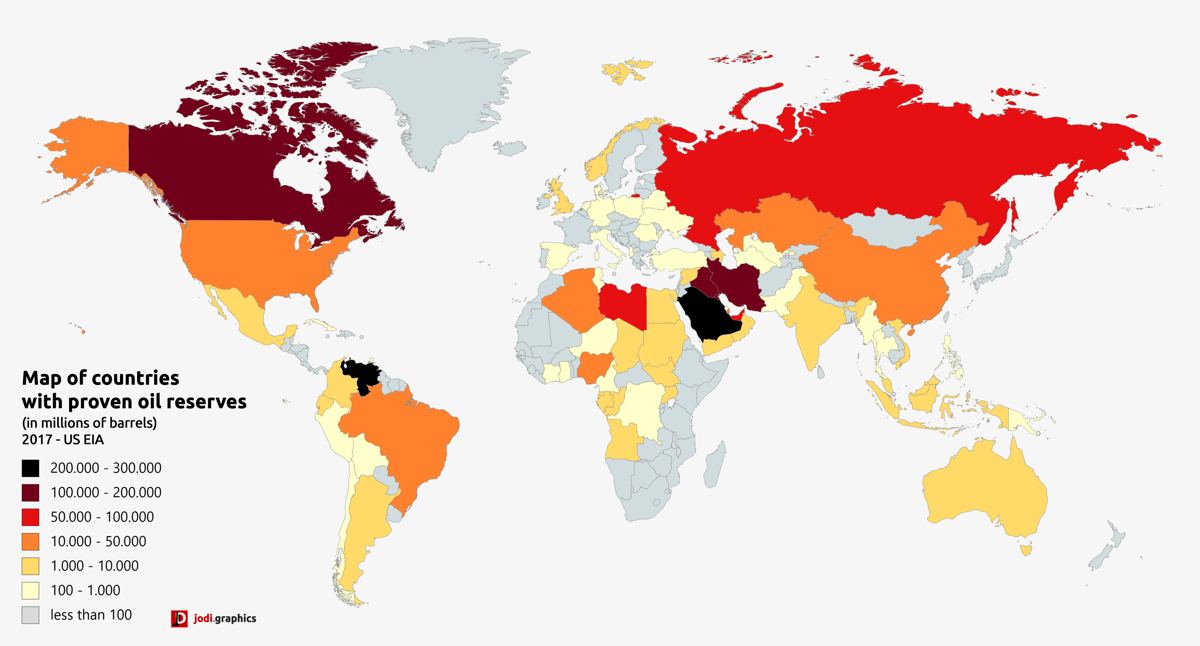
Indian Refiners Eye 6 Million Barrels: What Decides the Type of Oil and the Hit to Margins — QMA Brain Analysis
QMA Brain Analysis: With oil tenders, don't just watch the volume: what matters is which type of oil wins, the supply source, transport, and the impact on refining margins.

Stocks Fell and Home Sales Are Weakening: Waiting for Better Conditions Gets Expensive or Freezes Decisions — QMA Brain Analysis
QMA Brain Analysis: The biggest trap is reading weaker housing and geopolitics separately: what matters is whether the cost of waiting is rising, because delayed purchases, loans and investments

Critical Metals and Scandium: What Financing, Technology and Buyers Change, According to the Pentagon — QMA Brain Analysis
QMA Brain Analysis: For critical metals, watching the deposit itself is not enough; what decides is financing, drawdown terms, processing technology, buyers and the real path to production.
Jones Act and Oil Waivers: It Is the Price of Delivery That Matters, and How the Bottleneck Is Shifting — QMA Brain Analysis
QMA Brain Analysis: With Jones Act waivers, it is not just about the price of oil but the price of delivering it — watch the scope, duration, and whether the bottleneck returns once the waiver expires.

Costlier Oil Because of Geopolitics: How to Tell Who Passes the Cost Through and Whose Margins Take the Bite — QMA Brain Analysis
QMA Brain Analysis: Costlier oil driven by geopolitics is not a simple bet on energy; what matters is who can pass the higher cost along and whose margins it bites into instead.

Costlier Oil: How It Changes the Timing Between Capex and Cash Flow at AI Companies — QMA Brain Analysis
QMA Brain Analysis: For AI in an environment of costlier oil, watch mainly the length of the path from capital spending to cash: the longer it is, the less patient the market can get.
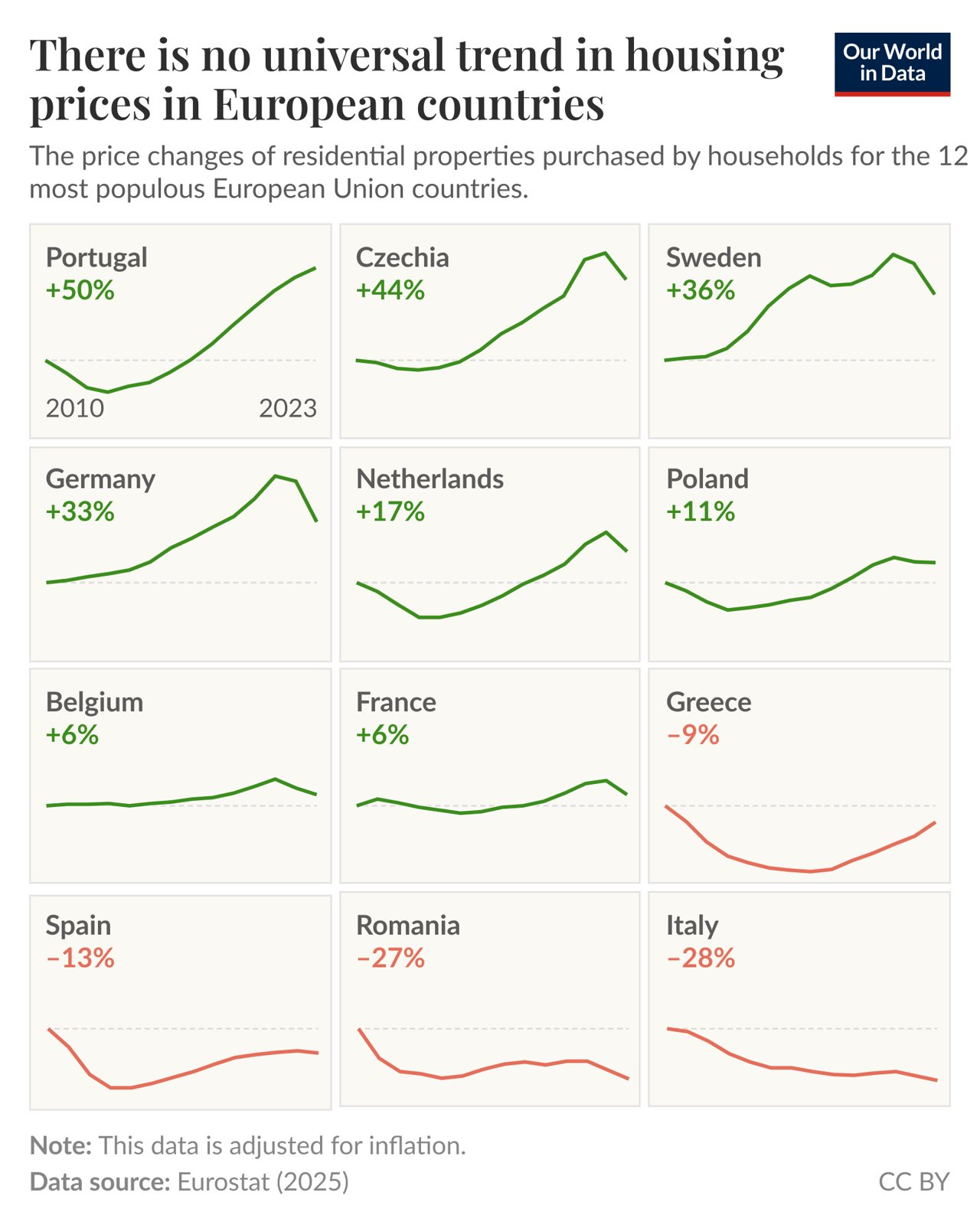
Why Inflation Happens — and Why Prices Almost Never Go Back Down
Inflation isn't one thing with one cause — here's the actual mechanism, why a slower rate doesn't mean cheaper prices, and why economists want some of it.

Oil Above $80: The Geopolitics That Decides Whether Companies Keep Their Margins — QMA Brain Analysis
QMA Brain Analysis: With oil above $80, it isn't just the price of a barrel that matters, but mainly who can pass higher energy costs along, and how fast, without losing margin or customers.

A Brief Pause in Tech Leaders Isn't Enough: When a Rotation Into Small Caps Is a Mirage — QMA Brain Analysis
QMA Brain Analysis: For rotations, it isn't enough to watch who rises for a few days; what matters more is whether the Russell 2000, equal-weight indexes, market breadth and earnings estimates confirm that the new leader has staying power.

How Much Optical AI Exposure Does the EUV ETF Actually Have? Concentration and What the Market Already Prices In — QMA Brain Analysis
QMA Brain Analysis: For optical AI themes, believing the story isn't enough — you need to check how much exposure a fund actually has, how concentrated it is, and whether the market has already priced in the expectations.
Even a Mild CPI: Why the Long End of the Yield Curve Deserves Attention — QMA Brain Analysis
QMA Brain Analysis: With a mild CPI print, watch mainly the long end of the yield curve as an analytical risk gauge — if yields rise even without an inflation shock, the problem may be the cost of time, not inflation itself.

The Economy Is Improving, but Stocks May Be Running Ahead of Real Profits and Cash Flow — QMA Brain Analysis
QMA Brain Analysis: An improving economy is a positive signal from the data, but if stock prices are rising faster than expected profits and cash flow, the market may be running ahead of reality.
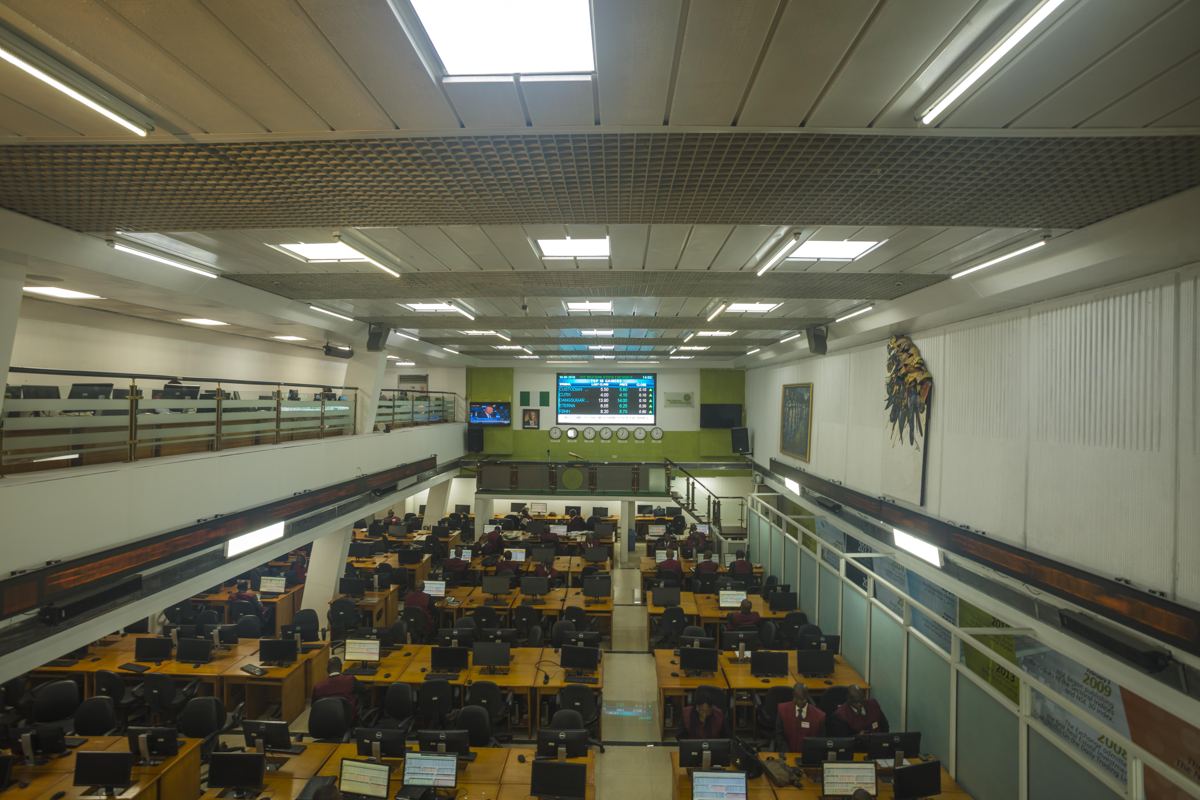
AbCellera After a 32% Jump: Why Menopause Data Isn't a Finished Drug — QMA Brain Analysis
QMA Brain Analysis: For biotech news after a sharp stock jump, it's critical not to confuse encouraging clinical data with a finished commercial drug; without the study phase, patient count, controls, effect size, follow-up length and safety, the verdict stays preliminary.
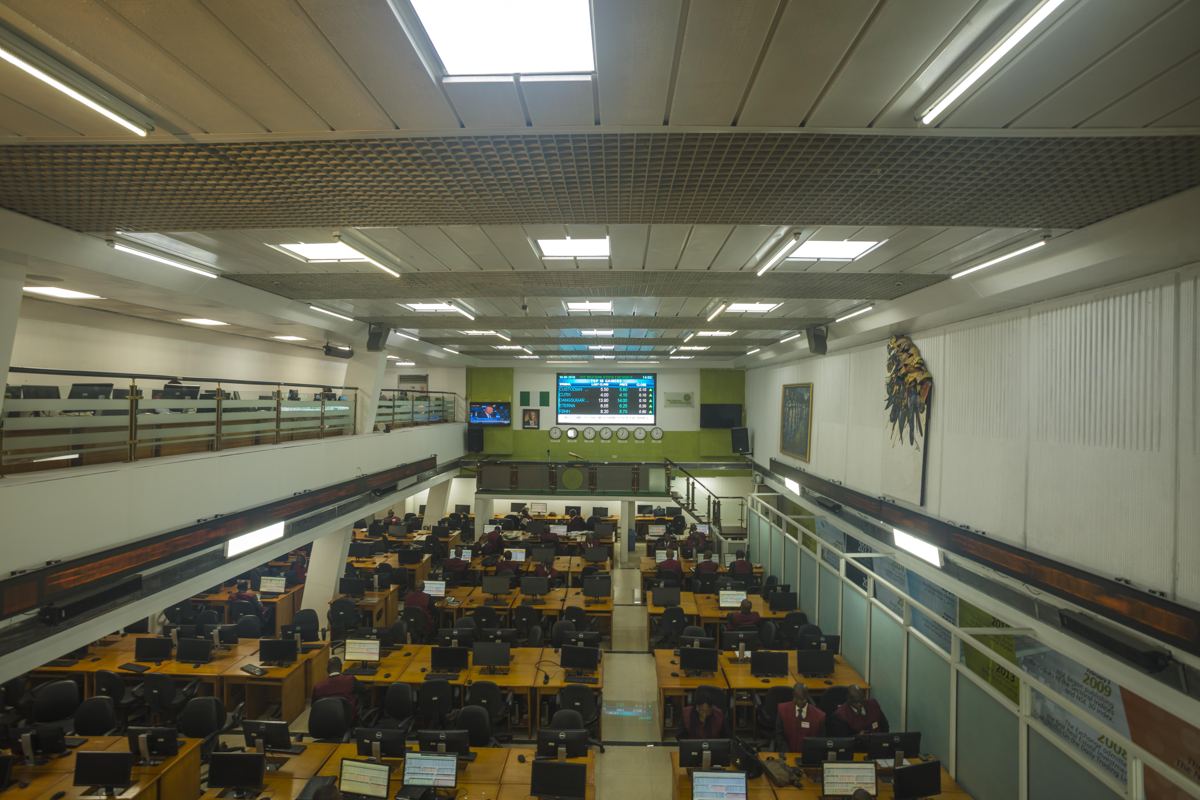
Strong manufacturing and lower unemployment: when rising orders make capital more expensive
Strong manufacturing and lower unemployment can support cyclical earnings, but watch whether the pick-up in orders is being paid for with dearer capital and a higher discount rate

A rally near record highs is no match for inflation: can earnings and cash flow keep up with rising prices?
In a rally near record highs it is not enough to check whether the numbers look good; what matters is whether inflation is pushing up the price of money faster than companies can improve their margins

Hormuz: why it is not just the oil price that matters, but physical flow, insurance and margins
With Hormuz, do not watch the oil price alone but the combination of physical flow, insurance, shipping and refining margins — that is where you find out whether this is short-lived geopolitical noise or a more expensive energy regime

Two chip companies beat expectations: what that means for the rest of the market
With concentrated indices, do not watch the name of the market but the weight of a handful of the largest companies, and whether results really clear expectations that have already been paid for.

Cheap Argentine assets are not just about price: what decides the conversion into cash
With cheap Argentine assets, watch not only the value of the property but above all documented cash flow, debt and the pace of the political steps meant to turn paper value

Clipper Realty: why a better quarter may not be enough for the dividend
With heavily indebted REITs, cheering a better quarter is not enough; the key is to compare AFFO per share with the dividend and check whether anything is left after interest, maintenance and refinancing
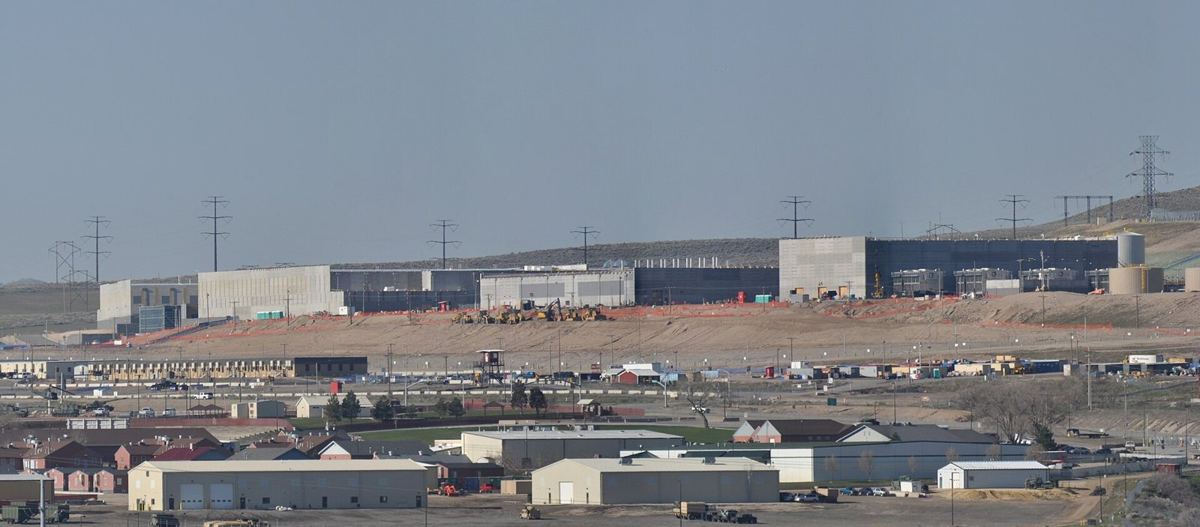
The AI capex waterfall: does revenue growth really pay the dividend, or just pile on debt?
With AI dividend stocks it is not enough to track exposure to data centres; what matters is whether revenue growth genuinely covers the dividend out of free cash flow, without a dangerous

Natural gas rises even with a storage glut: what to watch in the EIA data and the futures curve
Treat a brief rally in gas during a storage glut as a reason to check EIA inventories, production, LNG feedgas, the weather and the whole futures curve — a genuine change of trend needs several of them moving together, not just a bounce in the front contract.

TheRealReal: GMV growth is not enough, what decides is the take rate and profit after direct costs
With marketplace stories it is not enough to watch GMV growth; what decides is the take rate, gross profit after direct costs and, for physical stores, a verifiable return after rent, wages and the cost of winning quality supply.
Memory chips: weaker guidance need not mean the end of AI. Why prices, inventories and the mix decide
Do not read weaker guidance in memory chips as the automatic end of the AI boom; separate HBM from ordinary DRAM and NAND, and watch price per bit, ASPs, bit shipments, fab utilisation and customer inventories.
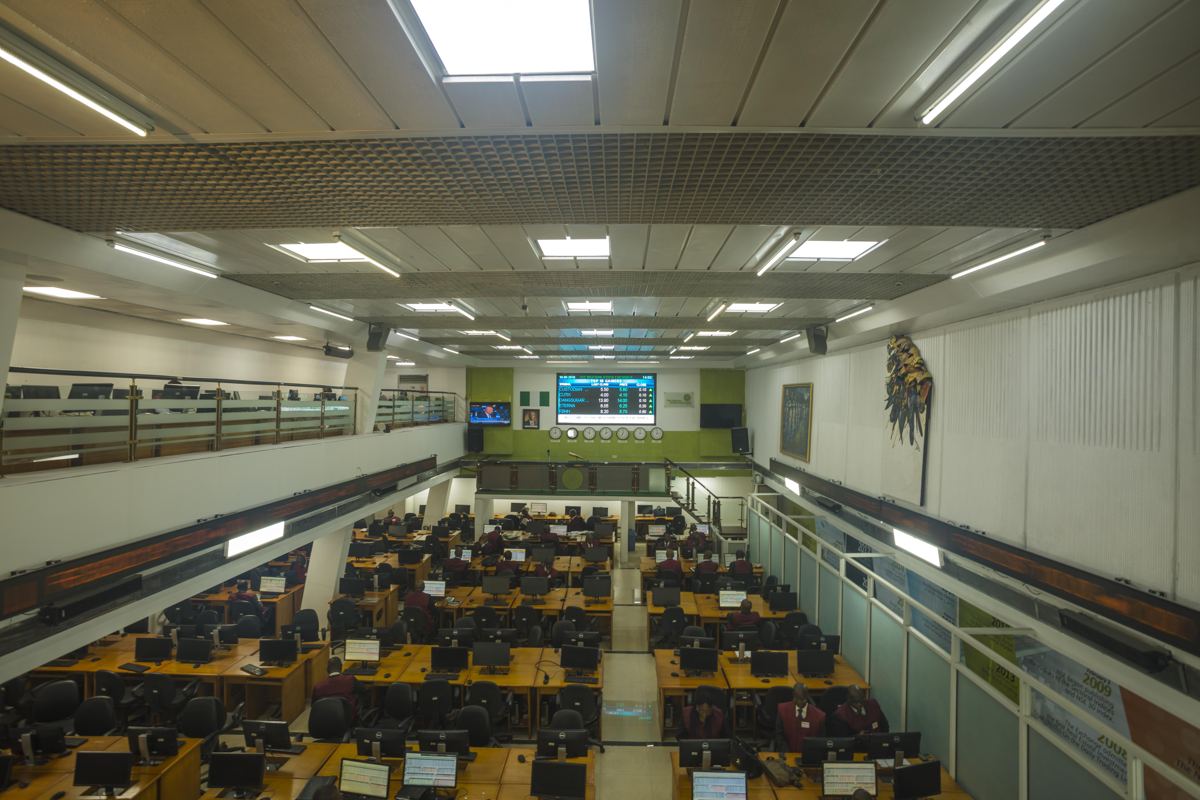
Unemployment is falling, but the labour market is emptying out: people are disappearing, not jobs
A drop in unemployment is not automatically good news if it happens mainly because people are vanishing from the labour market.
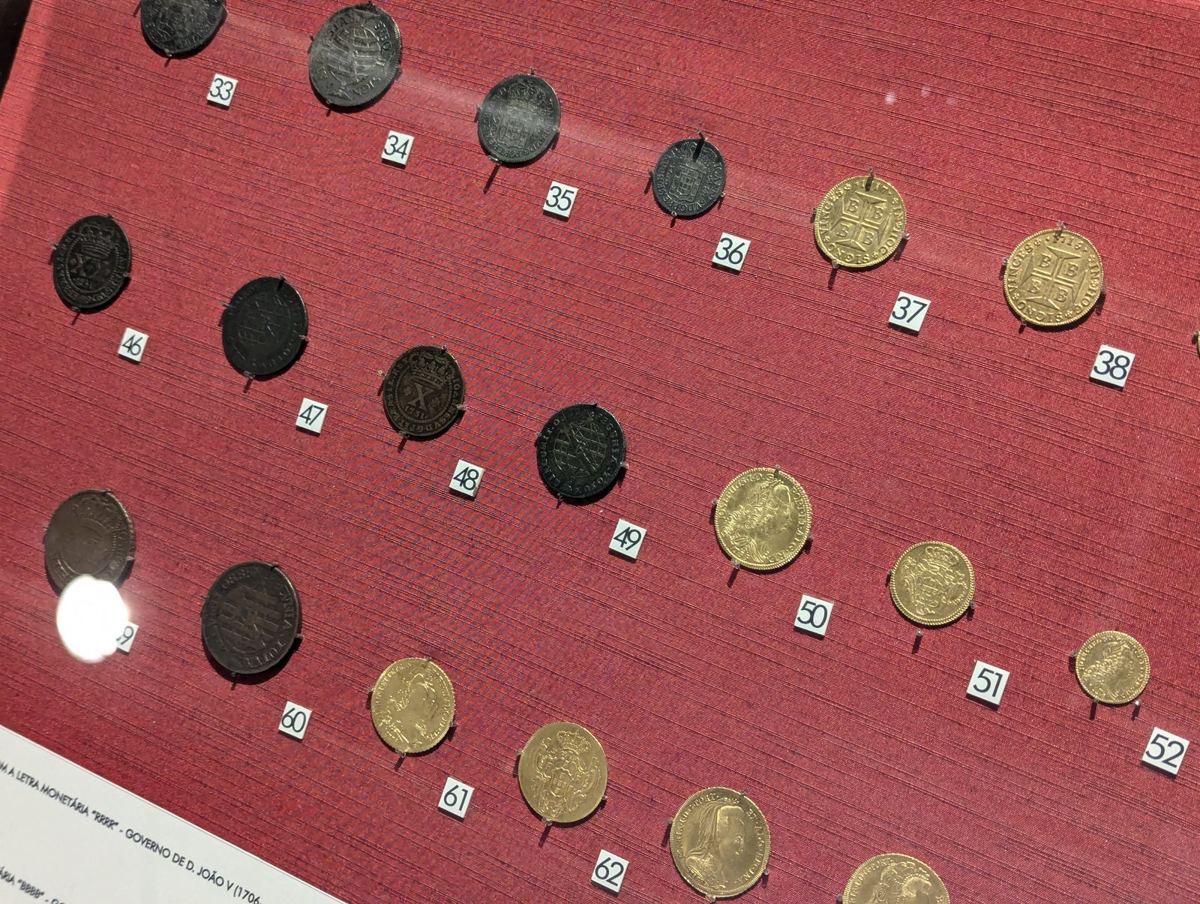
Lightspeed: 66.4% of revenue comes from transactions. What that reveals about its sensitivity to merchant spending
With Lightspeed it is not enough to celebrate 66.4% transaction revenue; the key is to check whether the attach rate and active merchant numbers are growing alongside payment volume, without the take rate and transaction margins deteriorating.
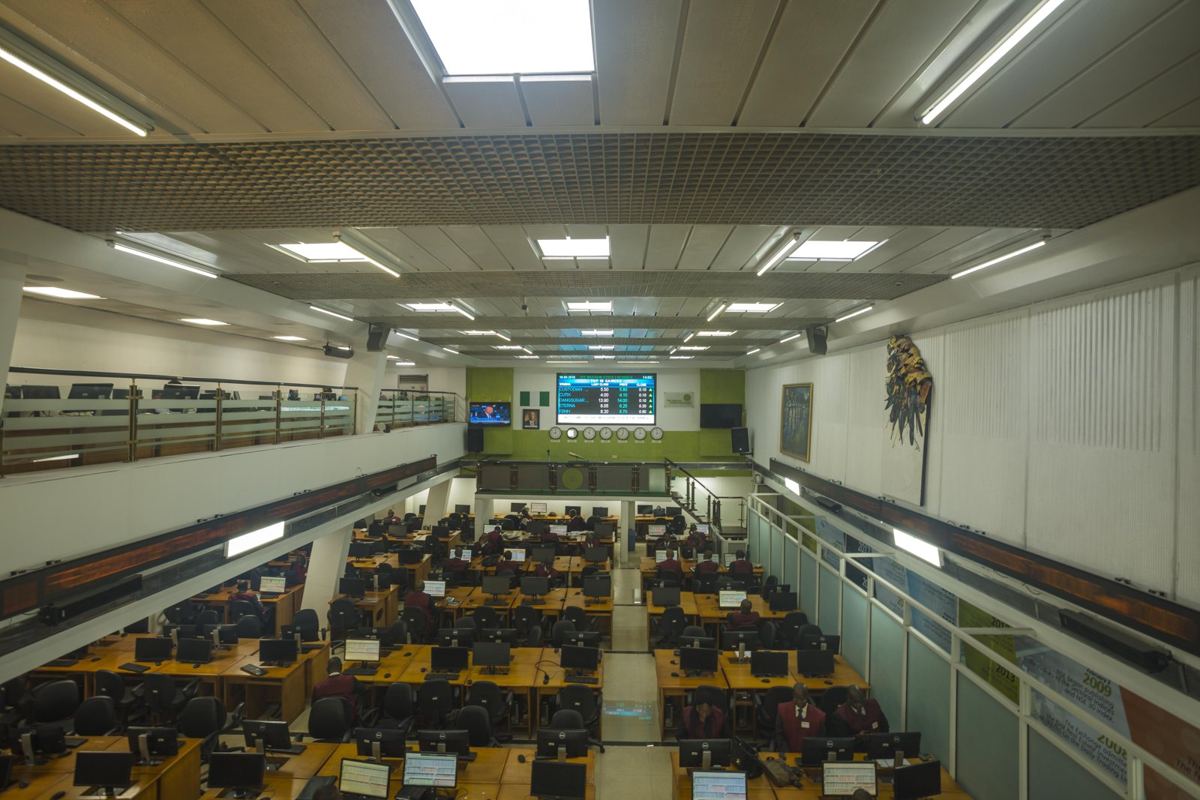
The Fed without new data: how the market reprices rates through two-year yields, and why that moves bonds
When the Fed talks but no new data arrive, watch above all whether the market is repricing rates through two-year yields or merely paying a higher price for uncertainty.

Small caps as a detective story: how Medicare, Hormuz and regulation move risk premiums — QMA Brain Analysis
QMA Brain Analysis: Read small-cap portfolio changes as a map of specific risk premiums — regulation, geopolitics, input costs — not as an automatic buy signal.
A Dow Record While the Nasdaq Falls: Broad Strength, or Just a Few Heavy Weights? — QMA Brain Analysis
QMA Brain Analysis: A Dow record needs to be read through component contribution, an equal-weight comparison and EPS estimates; without that, it may reflect a narrow move by a few index weights rather than broad
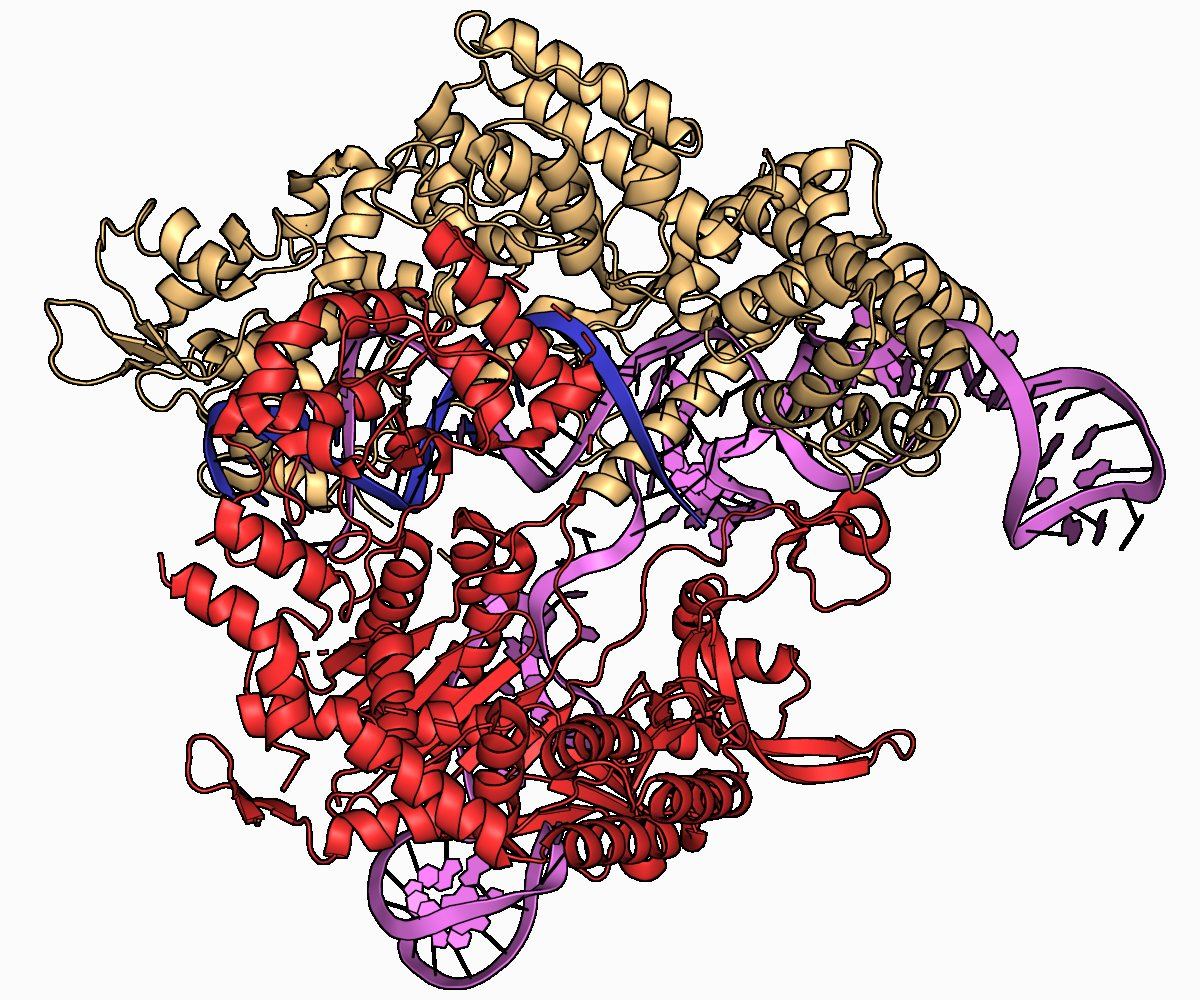
Editas: beating estimates is not enough. What the revenue, its quality and the cash burn really show
With biotech results, do not dwell on the beat alone. What matters is whether the revenue is repeatable, how fast the cash is disappearing and whether the runway genuinely reduces the risk of future shareholder dilution.

Timber is getting dearer even as housing weakens: the reason is sawmills, not a building boom
Do not read rising timber prices in a weak housing market as the return of a construction boom; check whether it is only short-dated material that is getting dearer, thanks to mill curtailments, inventories and the spread between nearby and deferred contracts.

July US jobs data and the Sahm rule: why slower hiring alone may not mean a recession — QMA Brain Analysis
QMA Brain Analysis: July jobs data isn't just about the headline payrolls number: a harder read comes from combining the Sahm-rule unemployment signal, jobless claims, JOLTS layoffs

With Iran headlines, separate the media noise: insurance, tanker rates, and — QMA Brain Analysis
QMA Brain Analysis: With Iran headlines, the combined movement in insurance, tanker rates, oil spreads, AIS traffic and refining margins carries more weight than the drama of a s

Weak ADP and a hidden risk: healthcare may be masking a cooldown in manufacturing and construction — QMA Brain Analysis
QMA Brain Analysis: A weak ADP print needs to be read through the composition of jobs: healthcare can be masking a cooldown in manufacturing, construction and materials, which often matters more for company earnings

Wall Street Records and Cheaper Oil: Relief, or Weaker Demand? — QMA Brain Analysis
QMA Brain Analysis: Don't read a record index alongside cheaper oil in isolation — what matters is distinguishing a short-term unwind of the geopolitical premium from broader demand weakness, visible across the futures curve, crack spreads and refining margins.

Cyberattack on Wall Street: what will the data on impact actually show? — QMA Brain Analysis
QMA Brain Analysis: With cyber stories in finance, what decides the outcome isn't headline drama but the specific trace in the data: whether it was an attempt, a breach, an impact on trading systems, client data, or r
Helium-3 and Fusion: Why an "Option" Without a Price or Date Isn't Worth Valuing — QMA Brain Analysis
QMA Brain Analysis: With fusion fuel deals, it's essential to distinguish a nice-sounding option from a financeable commitment: without a minimum volume, price, delivery date, take-or-pay terms and penalties, it's more of a strategic signal than a hard basis for valuation.

Biosimilars at Biocon: When Profit Growth Means Durable Volume Gains — QMA Brain Analysis
QMA Brain Analysis: With biosimilar drugs, the profit jump itself is not what matters. What matters is whether it is driven by durable volume growth and new approvals, or just a low comparison base, temporarily better margins, or a favorable product mix.

New S&P 500 Highs: Three Signs the Rally Is Broader and Healthier — QMA Brain Analysis
QMA Brain Analysis: Treat new highs as a quality audit of the rally — without the equal-weight index catching up, broader participation of stocks above their 200-day average, and calm credit spreads, a new high can just be an expensive narrow story.

Currency Intervention Isn't Just About the Target Currency: What It's Funded With, and What Cross Rates Show — QMA Brain Analysis
QMA Brain analysis: For currency interventions, watching the target currency isn't enough; the key is verifying what funded the intervention, and whether cross rates, volume, options volatility confirm it.

Energy Transfer: Record NGL Volumes, But What Is Segment EBITDA Actually Built On — QMA Brain Analysis
QMA Brain analysis: For midstream reports, don't just watch record volumes — watch the segment EBITDA breakdown, the share of fee-based and take-or-pay contracts, capacity bottlenecks, and whether growth is coming from one segment or the whole network.

Brixmor and Retail: Leasing Spreads and Same-Property NOI as the Real Quality Test — QMA Brain Analysis
QMA Brain Analysis: For retail REITs, watch less of the dividend slogan and more of the hard combination — leasing spreads, same-property NOI, occupancy, signed-but-not-yet-commenced future rent, debt maturity, and the spread between acquisition yields and the cost of capital.
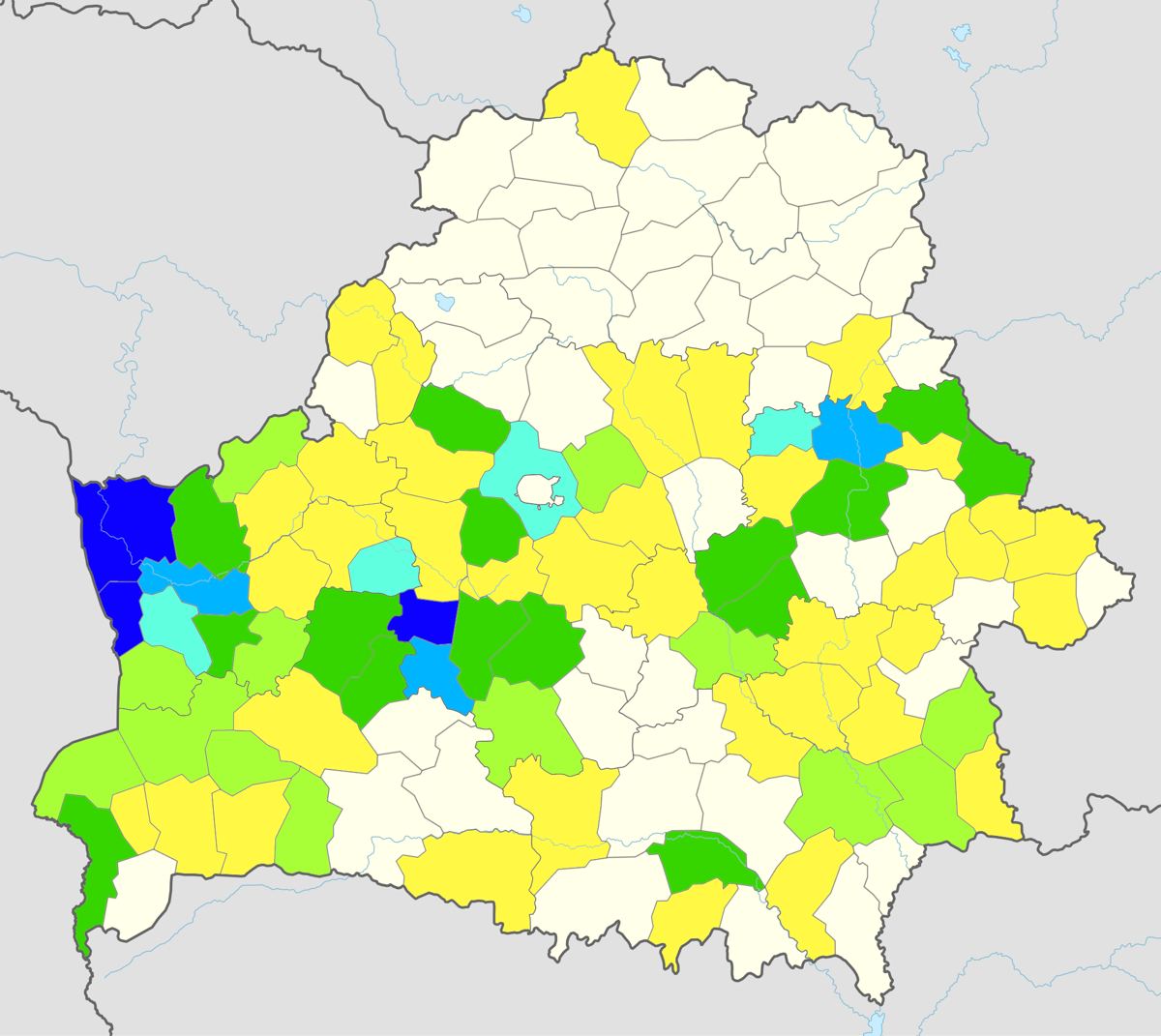
Falling Yields, Breakeven Inflation and the Yen: Relief, or Flight From Risk? — QMA Brain Analysis
QMA Brain analysis: Read falling yields through breakeven inflation, real yields, credit spreads and the yen's move — the same decline in yields can mean relief from inflation, or a flight from risk.

What California's Law Changes for Cold Cases: Why Demand for Genomic Services Is Emerging — QMA Brain Analysis
QMA Brain analysis: For reports like this, watching the technology isn't enough; the key is verifying whether there is a specific law, budget, responsible agency, sample volume and a demonstrable link to companies.

Housing and JPMorgan's $750 Billion: Permitting Speed Decides This, Not the Headline Number — QMA Brain Analysis
QMA Brain analysis: For large housing-support programs, the pledged amount alone isn't enough; what matters is whether the money goes toward new construction and faster permitting, or just adds buying power.