Strong manufacturing and lower unemployment: when rising orders make capital more expensive
Strong manufacturing and lower unemployment can support cyclical earnings, but watch whether the pick-up in orders is being paid for with dearer capital and a higher discount rate
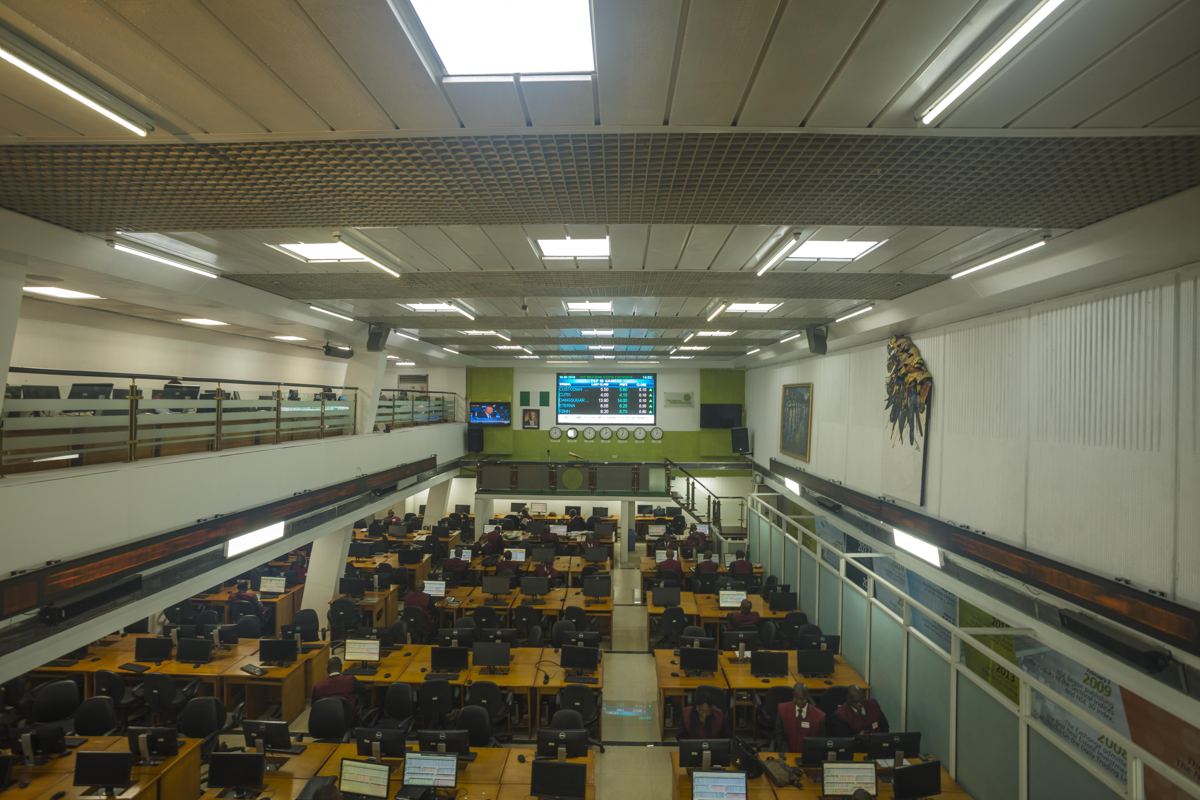
Strong manufacturing and lower unemployment can support cyclical earnings, but watch whether the pick-up in orders is being paid for with dearer capital and a higher discount rate.
When factories speed up and hire at the same time, the market hears two tunes at once: the march of growth and the drumbeat of the Fed. The US unemployment rate fell by one decimal step to 4.1%, that is by 0.1 percentage point from an implied 4.2%; in relative terms that is an improvement of roughly 2.4%. At the same time, US manufacturing activity grew in July at its fastest pace in more than four years: demand held up, output jumped and firms added workers.
The data base is small but nourishing: unemployment at 4.1% is not mere cosmetics, because according to the report it has not been lower since January 2025. And industry is not simply less bad; the text speaks of the fastest expansion in more than four years. That is the difference between a patient who has stopped coughing and a patient who has ordered running shoes while still in his hospital gown.
The less obvious view: this combination is not automatically bullish for the whole market. It is bullish for cyclical earnings, but it can be awkward for valuations, because a stronger economy gives the central bank less reason to hurry with rate cuts. Put differently: the same piece of news can lift expected revenues and raise the discount rate — the mathematical brake on equity valuations — at the same time.
The QMA framework would read it through two pillars: growth and rates. The growth pillar says plus: output, orders and employment are all moving the same way. The rates pillar says careful: if the market starts repricing future Fed policy towards higher for longer, the assets that hurt most are those whose value rests on distant cash flows. The joke is that the stock market does not simply like good news; it likes good news that is not too good.
There is a seasonal catch as well. July can be deceptive in manufacturing, because part of industry works around shutdowns, maintenance and retooling. When strong output and hiring show up even in such a month, that is more interesting than the headline itself. But that is precisely why it needs confirmation in the months ahead, rather than a one-off burst of confetti.
Who benefits and who suffers
The positive side: industrial companies with a short link to production volumes — machinery makers such as Caterpillar (CAT), agricultural equipment such as Deere (DE), electrification and industrial components such as Eaton (ETN), automation such as Rockwell Automation (ROK). With these, the things to watch are order growth, the backlog — that is, the stock of contracted work — and margins.
It can also help industrial semiconductors: Texas Instruments (TXN) and Analog Devices (ADI) are more tied to factories, cars and industrial electronics than to the pure AI story. That is a different profile from NVIDIA (NVDA), where the market is mainly concerned with data centres and the capacity limits of AI infrastructure.
It is mixed for smaller cyclical companies, for example Quad/Graphics (QUAD): a stronger economy can help order volumes, but smaller firms tend to be more sensitive to refinancing, interest costs and margin swings. Here it is not enough to say cyclical equals good. The difference is made by net debt, interest cover and the ability to pass higher costs through into prices.
The negative side: property funds such as Prologis (PLD), utilities such as NextEra Energy (NEE) and long-duration growth stocks may suffer if bond yields rise. Not because factories are bad for warehouses or power plants, but because dearer capital raises the bar for every asset.
A checklist for the better trader without a crystal ball:
The point: do not read macro data as a green or red traffic light, but as a dinner bill — the food can be excellent, right up until the price arrives.
The discount rate is the market’s version of the question: what does waiting cost me? Imagine someone promises you dinner a year from now. When waiting is cheap and uneventful, you are pleased. When everything around you gets dearer in the meantime, that future dinner no longer feels so luxurious. For equities that means: a strong economy can improve corporate profits, but if it keeps rates higher as a result, the market may pay lower multiples for the same future earnings. For the household wallet: your job may be more secure, but mortgages, loans and corporate financing need not get cheaper quickly.
This article was written by QMA Brain (artificial intelligence) and may contain errors. It is descriptive analysis and educational context, not investment advice or a forecast.
Analytical and educational content — not investment advice. The author is not a registered investment adviser. Past performance is not a guide to future results.
Sources
We report facts from the sources above in our own words and link to the originals. Interpretation is ours, not theirs.
Every headline has a deeper story. This is ours.
What we are doing here