Mozambique: Women, capulana dresses, and police violence stand out at Nampula protests
Women in Nampula turned the capulana into a symbol of resistance, while social media amplified protests, digital activism, and debates regarding state control and civic rights in Mozambique.
In Cameroon, before the scroll, there was the dance floor
Every holiday season, young people from Ebolowa in the South of Cameroon, and surrounding villages gather for community dance nights that combine entertainment, socializing, and economic activity.
The SDF Is Gone. Syria's Chain of Command Is the Real Test
Dissolving a U.S.-backed force closes one chapter on paper; the harder evidence will be who gives orders, protects Kurdish rights and secures Islamic State detainees.
Poisoned waters: Indigenous communities fight to protect Thailand’s Kok River
"For Indigenous communities in northern Thailand, protecting the Kok River is inseparable from protecting their lands, livelihoods, and cultural heritage."
Indigenous leaders face criminal charges for setting up anti-mining barricades in the Philippines
"This case is just a small part of our struggle compared with what we are fighting for – not only for our community, but also to inspire communities affected by mining."
Support Global Voices Spotlight: Protest in democracy
With this spotlight, we seek to explore the many forms of protest, the tactics states use to delegitimize and suppress them, and the complex relationship between protest and democracy.
Without education for girls, Afghanistan loses its chance for a better tomorrow
“Although the doors of education have been closed to us, I will never stop trying, no matter how many limitations are placed before us.”
The everyday guardians: Rana Tharu women’s implicit roles in Nepal
In this month's Narrative Spotter, we explore an implicit narrative shared through the everyday dynamics of the Rana Tharus in Nepal.
Caught between silence and visibility: LGBTQ+ experiences in Mozambique
In Mozambique, the lack of laws criminalizing LGBTQ+ identities is often taken as a sign of tolerance. However, for many transgender people and LBQ women, their everyday reality tells a different stor
The discursive function of gendered online hate speech in Kosovo
The most common form of sexism was the systematic delegitimization of women in public life. Two-thirds of all sexist comments sought to undermine women’s participation in politics, media, or public de
‘Indigenous languages and cultures are surviving, and will continue to survive’: Interview with Juang-language writer Kshetrabasi Juanga
An Indian educator is documenting his vulnerable Indigenous language on YouTube. He hopes his videos “will create an invaluable resource for the entire humankind.”
How changing diets are creating new markets for Africa’s Indigenous crops
"A growing number of consumers with celiac disease are unable to consume gluten-containing foods such as bread and therefore rely on alternative gluten-free products..."
Amid political and economic pressure, Brazil sees a rise in land conflicts and the murders of Indigenous people
Growing cases of violence against Indigenous people are linked to an impasse on the framework of rights and pressure against land demarcation, says the organization that advocates for Indigenous right
The invisible crisis that strips people of citizenship
This issue fascinates me because of its near-invisibility: As many of our Spotlight articles observe, citizenship is easy to take for granted when you receive it automatically and never have to defend
Who are the M23 Rebels in eastern DRC?
In the eastern Democratic Republic of the Congo (DRC), an armed group known as the M23 imposes its authority on local communities. But what is the history behind this movement?
From DMs to data: How an anonymous platform is turning students’ stories into fuel for change in North Macedonia
Digital Student Voice is an online platform where students can anonymously report issues ranging from delays in scholarships to deteriorating living conditions in student dormitories and violations of
Who was here first? The two meanings of ‘Indigenous’ in Europe
The Balkans are a dramatic case of how hate justified by nativism helped fuel actual wars, but similar “justifications” emerged elsewhere.
Escalation of sexual violence raises alarm in the Democratic Republic of the Congo
In the eastern Democratic Republic of the Congo, violence against women has become an increasingly common problem. Figures from the first quarter of 2026 expose a major gender-based violence (GBV) cri
Chadian environmental activist Hindou Oumarou: ‘AI governance must respect Indigenous peoples’
How AI expansion may affect environments, water and biodiversity, or the rights of communities whose territories and knowledge are being encroached upon
‘The Sigh of the Earth’: Fragments from communities overlooked after Venezuela’s earthquakes
Combining documentary photography, personal testimony, and digital intervention, the project preserves the quieter aftermath of Venezuela’s underreported communities after the earthquakes.
‘Silence has become both more dangerous and more complicit’: An interview with Lebanese-British artist, Amale Khlat
“In an age when images of war circulate constantly without producing understanding or action, I am interested in the screen that makes you stop.”
The Herat arrests are a defining moment of Taliban repression in Afghanistan
A visit to a market, a medical appointment, or a family gathering is no longer judged only by necessity, but also by the possibility of being questioned, humiliated, or detained.
A mosque built by a transgender person raises questions about faith and belonging in Pakistan
A transgender man in Pakistan built a mosque hoping it would offer an inclusive space for worship. Instead, he faces harassment from neighbors amid growing attacks on the trans community.
Conflict-displaced women facing growing risk of sexual violence in eastern DRC
In areas gripped by armed conflict, sexual violence against women is prevalent. However, the perpetrators are not only soldiers or armed rebels.
Chadian environmental activist Hindou Oumarou: ‘AI governance must respect Indigenous peoples’
How AI expansion may affect environments, water and biodiversity, or the rights of communities whose territories and knowledge are being encroached upon
What it is like to run a business as a woman in Taliban-controlled Afghanistan
“The future of Afghanistan is getting darker day by day, and especially for women.”
The bleak picture of how Indigenous youth are treated in Australia’s justice system
"From coast to coast across our lands, Aboriginal and Torres Strait Islander children are being criminalised and imprisoned at alarming rates because of political point-scoring rather than evidence-ba
After 30 years of cultural revival, the Siraya reclaim their Indigenous status in Taiwan
The Indigenous Siraya were officially recognized via executive decree as Taiwan’s 17th indigenous group on July 30. They are also the first plains tribe group to obtain Indigenous status in Taiwan.
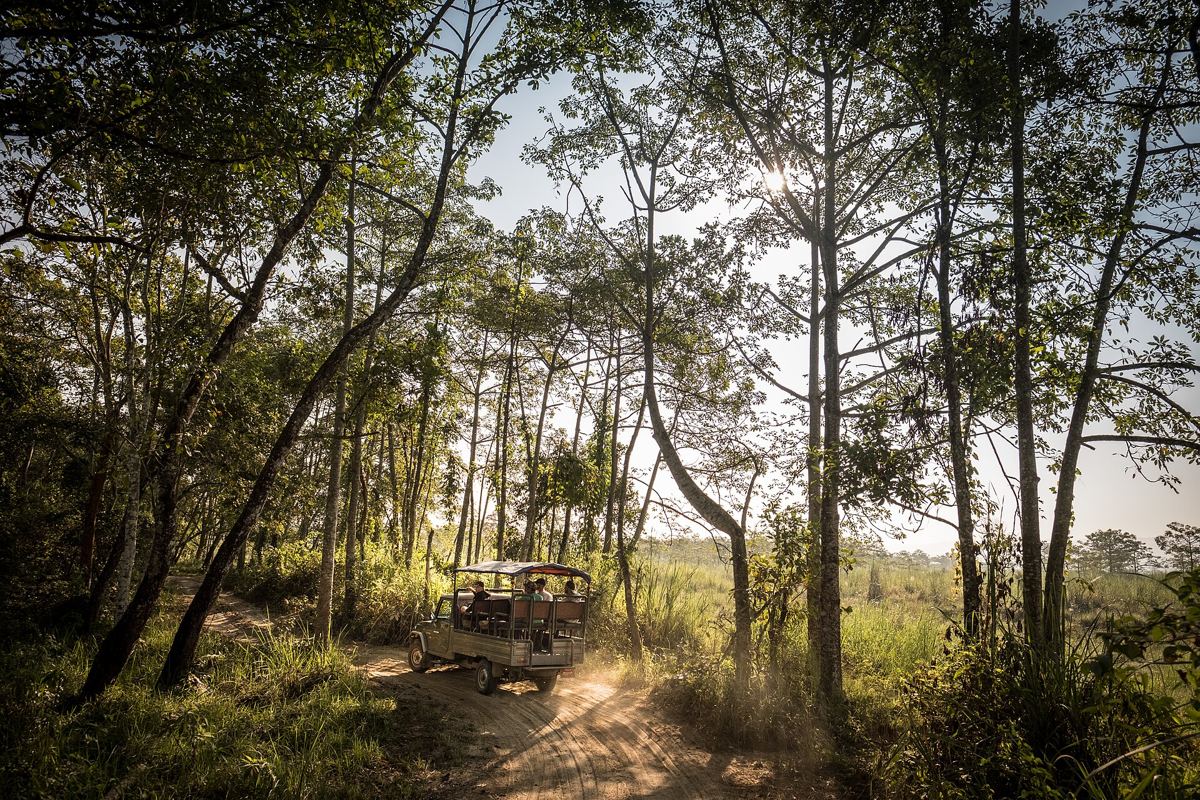
Nepal’s community forests offer climate solutions, one leaf at a time
Women in community forest groups are transforming vulnerability into sustainable livelihoods by producing eco-friendly leaf plates, supporting environmental conservation, climate resilience, and local
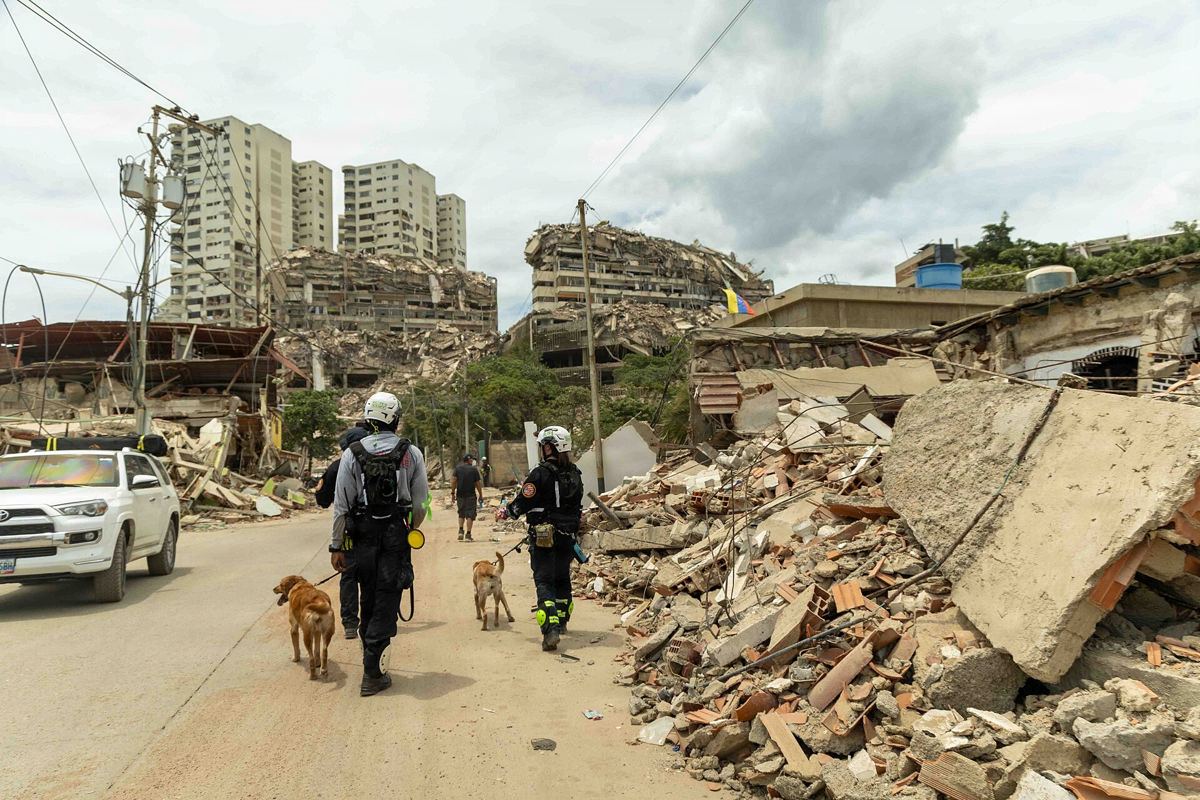
More than a month after Venezuela’s earthquakes: ‘I’m not leaving here until my son is found’
One month after the two earthquakes, thousands of relatives remain beside the collapsed buildings in La Guaira despite harsh conditions and insufficient support for search efforts.

In Japan, Ryūkyūan Indigenous claim hindered by U.S. military bases in Okinawa
The Ryūkyūan People's quest for self-determination and Indigenous status has been thwarted by over 100 years of harsh assimilation policies and a heavy U.S military presence since WWII.
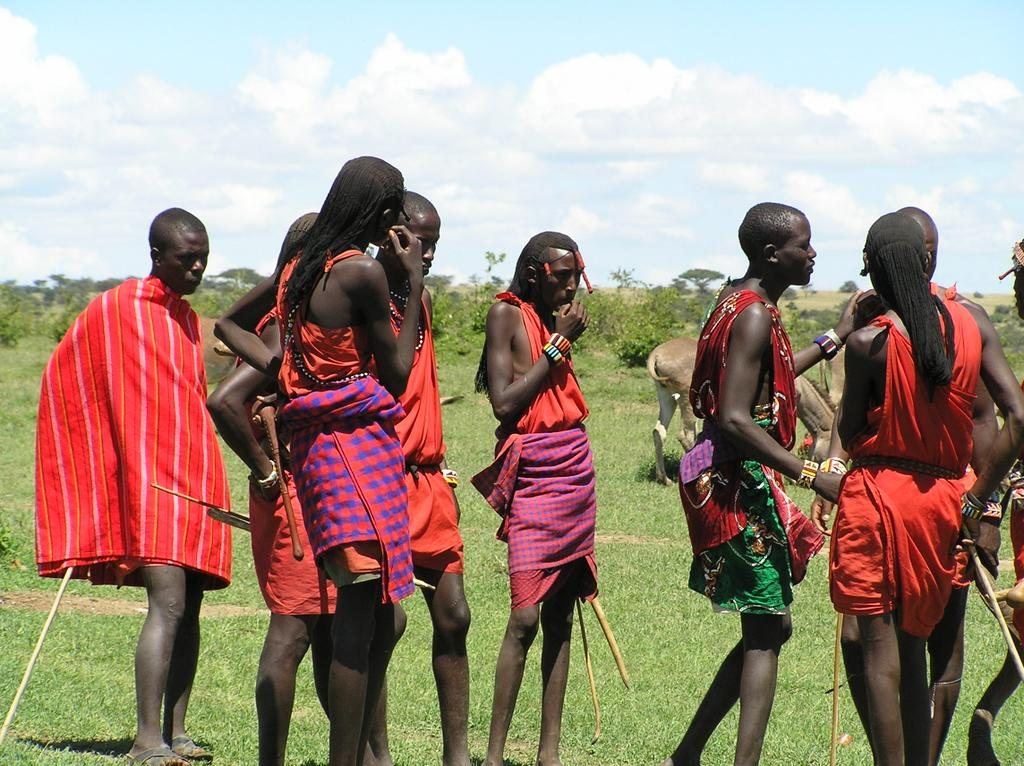
Whose conservation, whose development? The Maasai struggle over land in northern Tanzania
Conservation has become a tool for “green grabbing”: The taking of community land in the name of environmental protection while opening space for tourism, hunting, and investment interests.
When Chinese parents outsource control over their adult children
China's rebranded “internet addiction” industry now helps families confine legally independent adult children, exposing how parental coercion survives through private institutions and weak enforcement
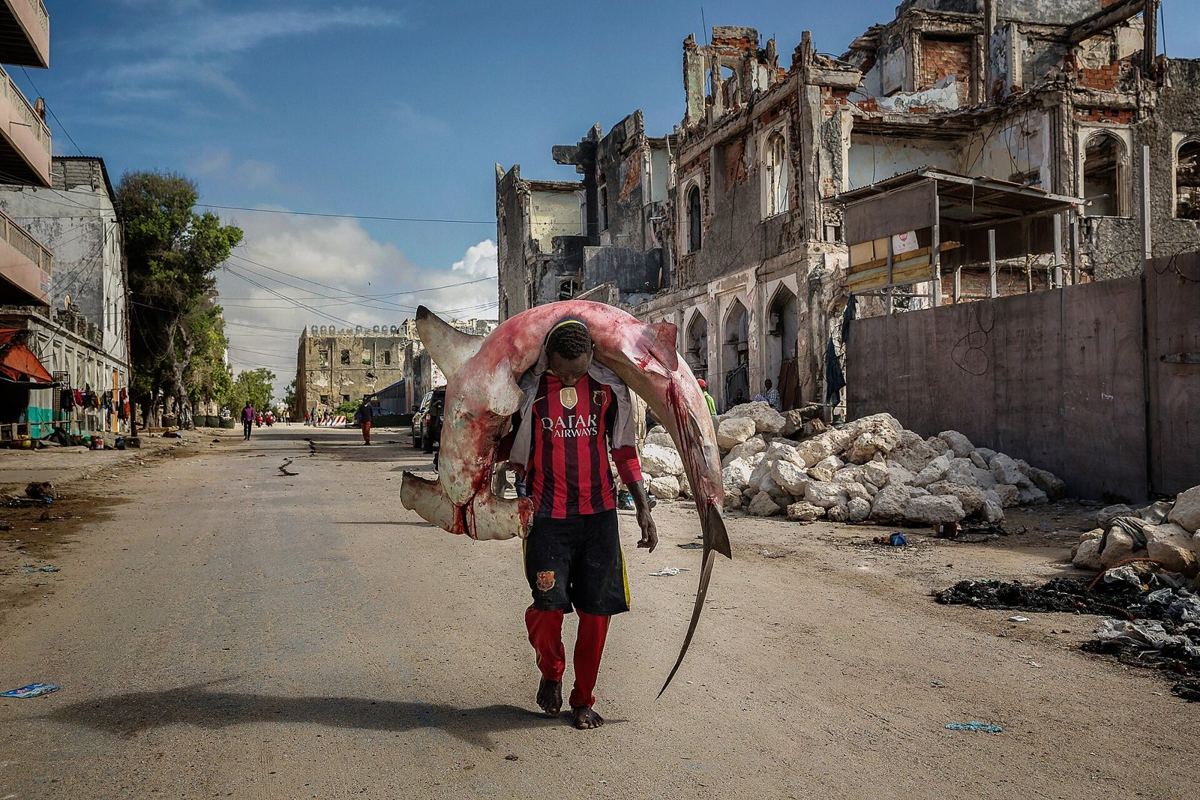
What does home mean for people with no single territory connecting them?
In this collaborative article, Global Voices contributors explore these two stories of statelessness, and reveal how minority communities are redefining nationhood, loyalty, and identity across the re
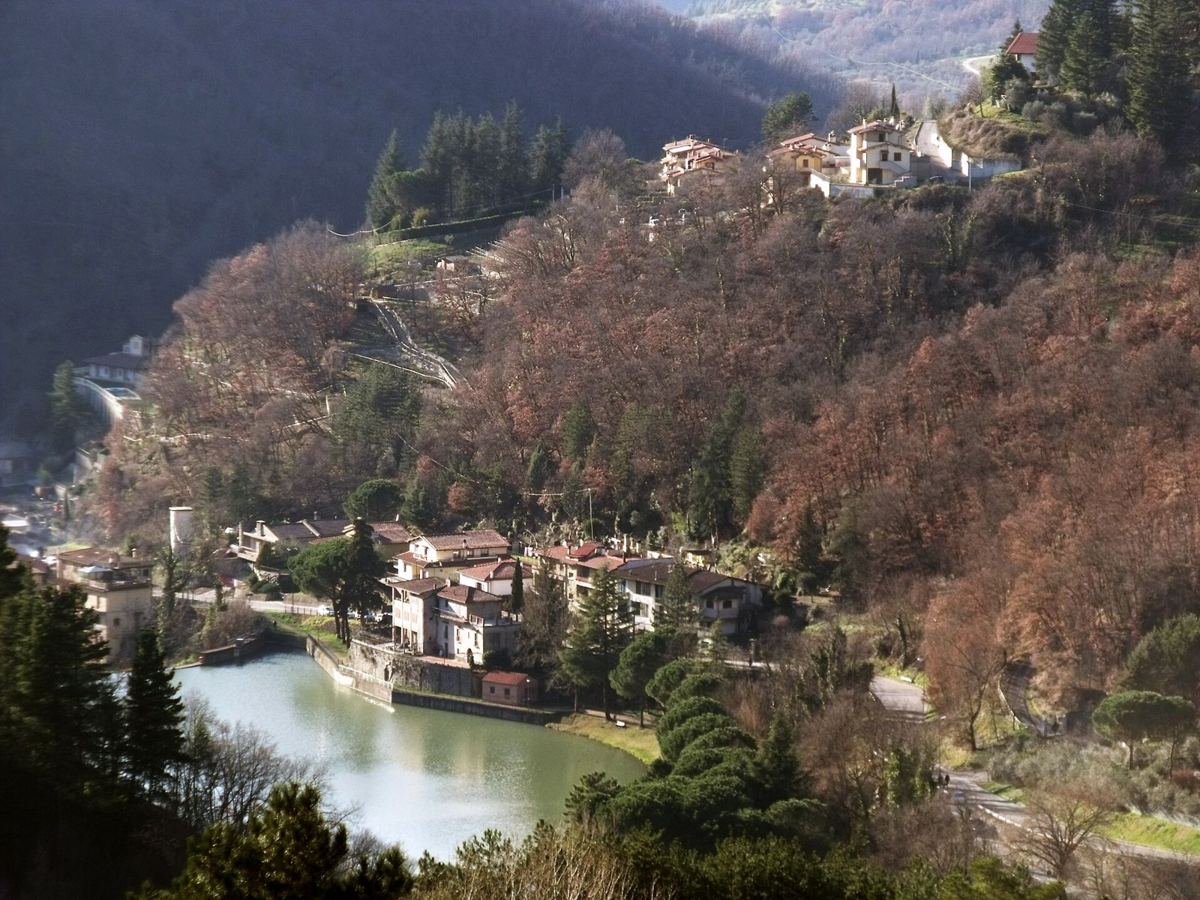
The signal we cannot ignore: What the LONDA 2025 report reveals about Africa’s digital rights
The digital landscape is becoming increasingly dangerous for vulnerable groups. Technology-facilitated gender-based violence is a growing epidemic that most legal frameworks fail to address adequately
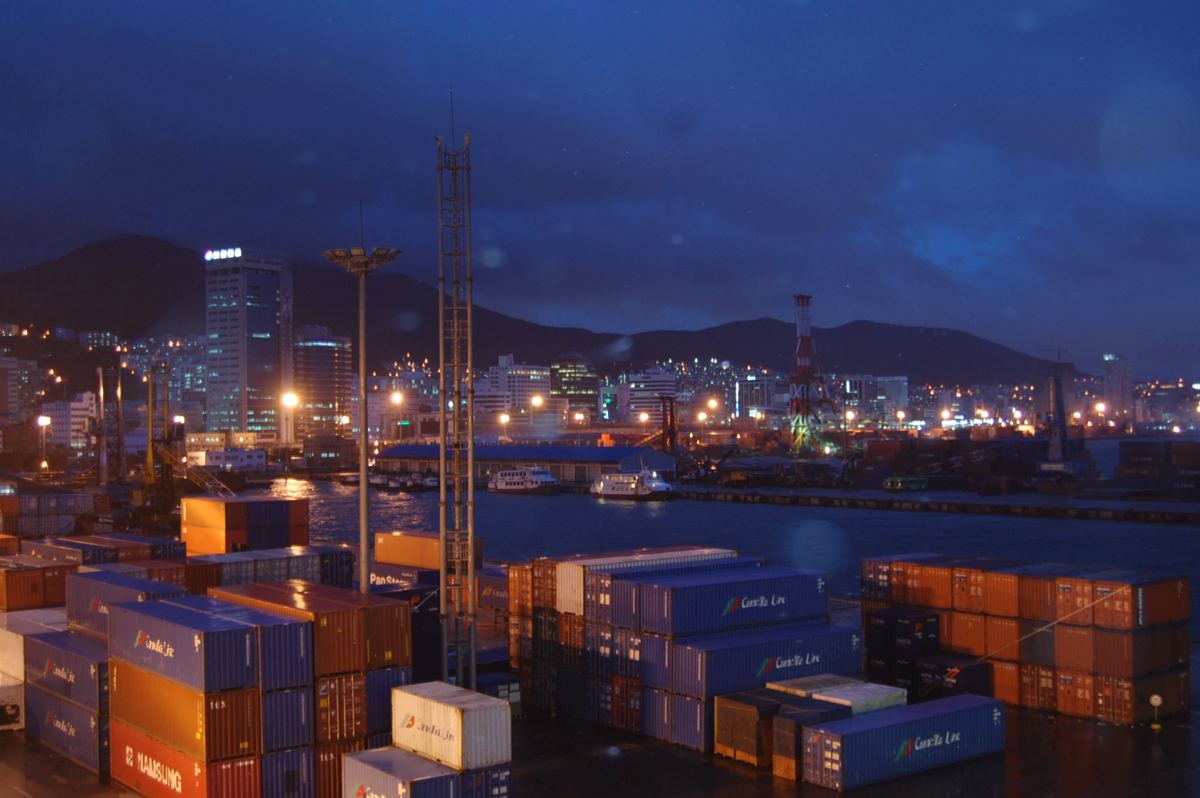
The anatomy of erasure: Indigenous Assyrian women and forgotten genocide
Indigenous Assyrian women were erased three times: first as Assyrians, then through sexual violence, finally by history itself. The machinery that made them disappear is still running.
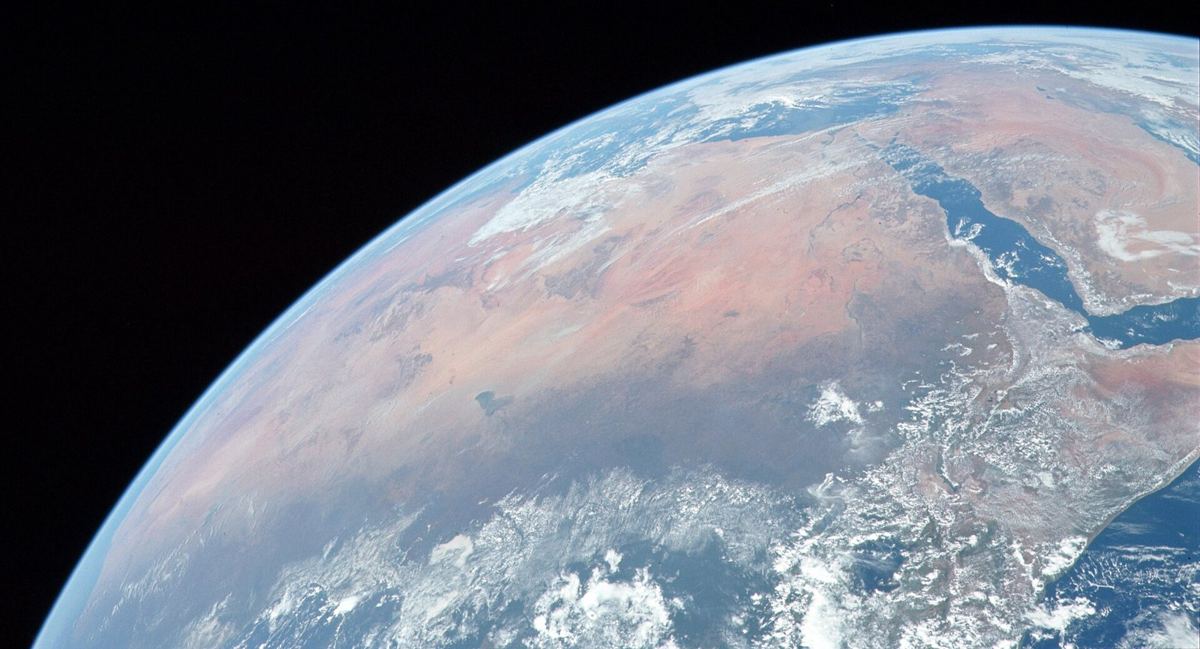
Sub-Saharan Africa: Why do less than 12 percent of Africans have AI access?
While African capitals announce their national AI strategies and tech giants launch their “innovation hubs” across the continent, millions of households are still living without reliable electricity.
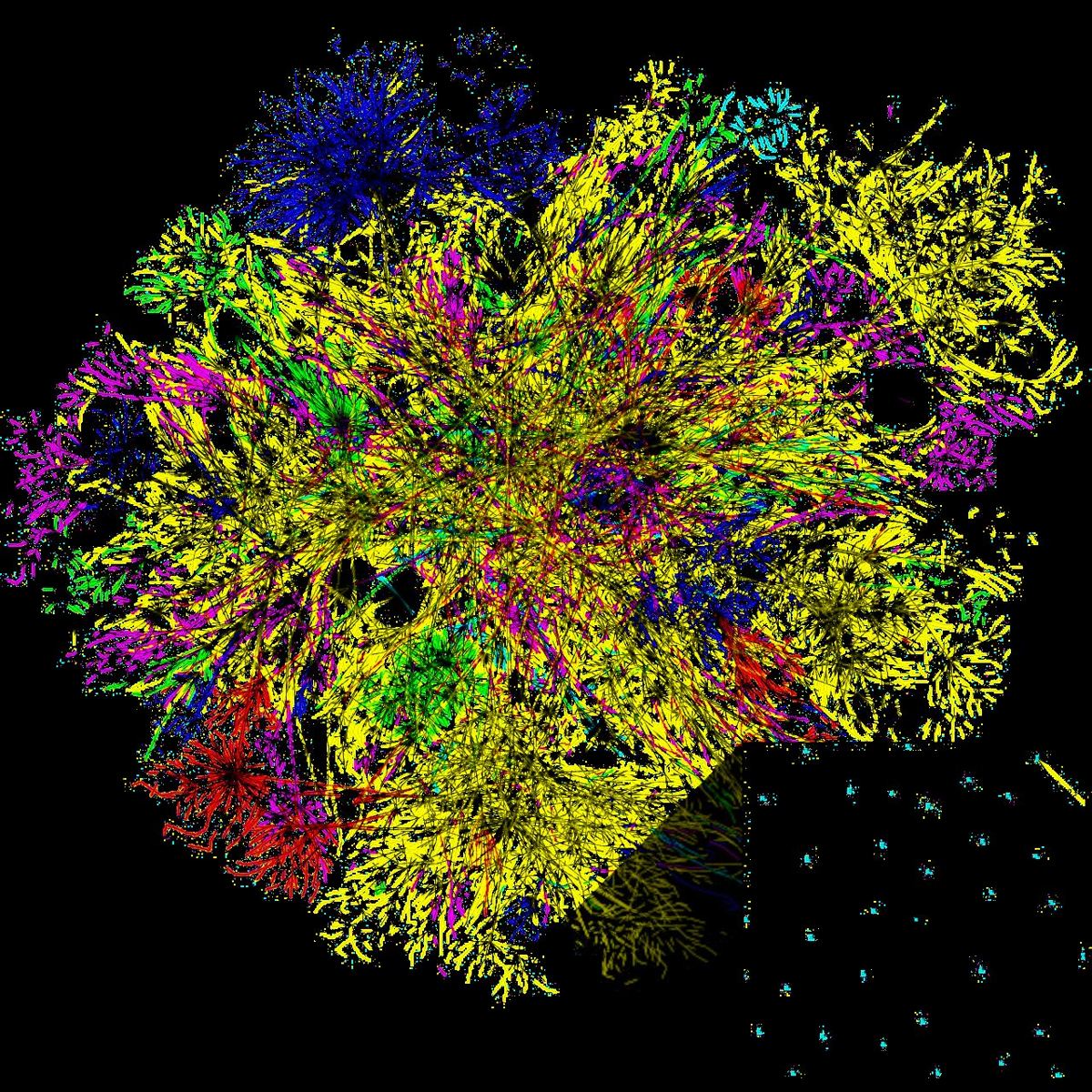
Reporting when the internet goes dark: How journalists find workarounds when cut off
Access Now has documented close to 2,000 internet shutdowns between 2016 and 2024, with the number of blackouts rising since 2020.
Palestinians are being locked out of the digital economy
A new 7amleh report finds Palestinians are systematically excluded from digital payments, e-commerce, and remote work — structural barriers that deepen economic strangulation under occupation
Myanmar journalists across borders remain dedicated to truth despite risks
“I am safe now, but I feel disconnected from the ground. Every story takes more effort, more risk.”

Meta removes Bangladeshi community archivists’ pages through false copyright claims
Coordinated false copyright claims targeted Bangladeshi archivists, journalists, and activists, exploiting Meta’s reporting system to remove evidence of abuses, disrupt documentation efforts, and unde
Legal access in a shrinking space: Building ecosystems to end statelessness
Durable ecosystems of support are not a supplement to legal strategy; they are the strategy, from community to clinic to court and back again.

Israel Rejects Trump's 15-Point Gaza Plan, Netanyahu Says
Netanyahu says Israeli forces will not leave Gaza until Hamas is disarmed, breaking publicly with a US-backed peace plan just over a week after Washington called a deal with Hamas 'historic.'
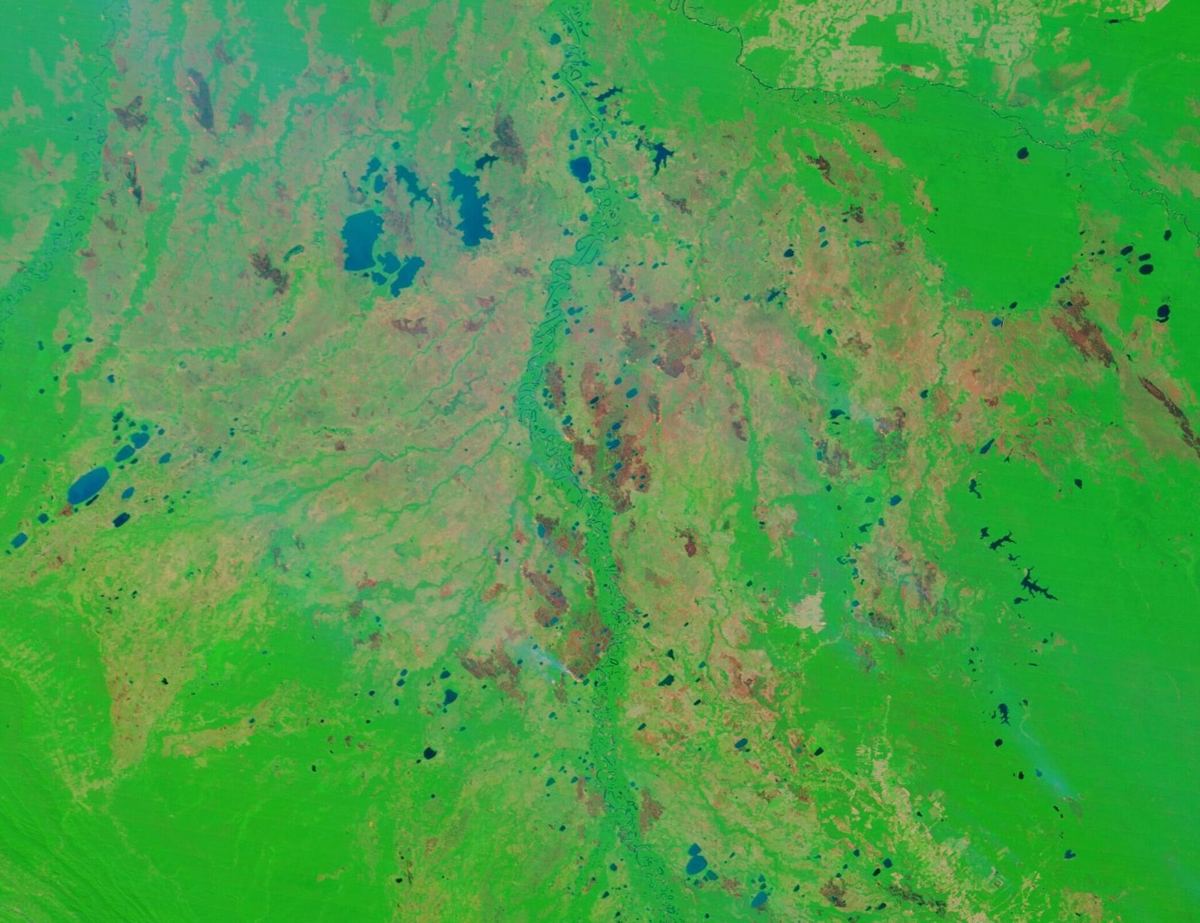
Indigenous stories are global stories
“Even after the fall of empires and political decolonization, we, Indigenous peoples, continue to struggle for recognition and to protect and advance our fundamental rights in the world.”
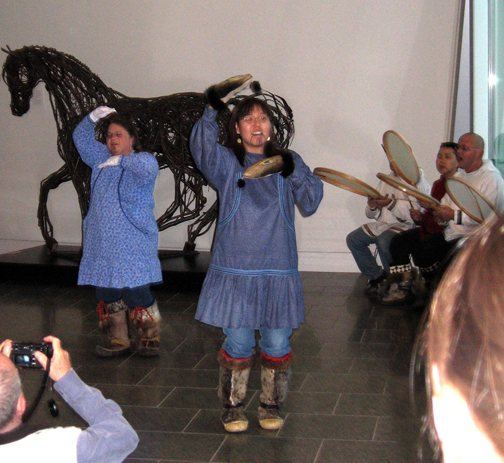
Identity beyond citizenship: What remains when the state refuses to recognise you?
Documents can confirm a legal relationship with a state, but they cannot create or erase a person’s existence, history, family, or sense of belonging.
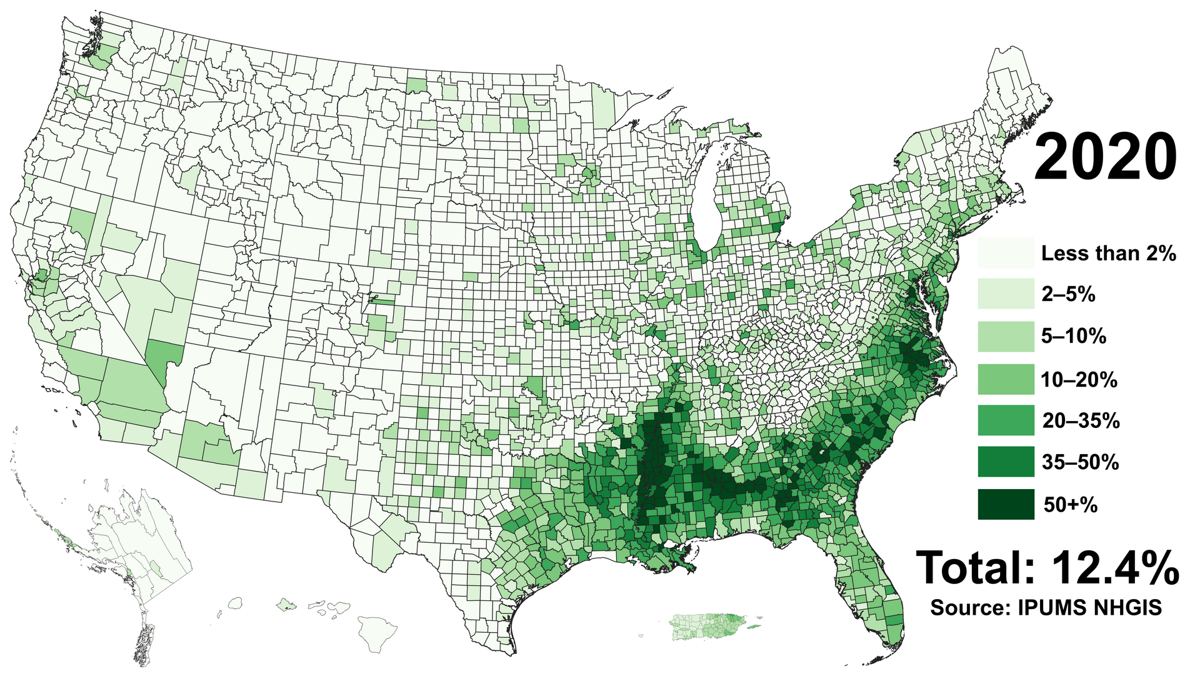
How AI is upgrading African dictatorship
A March 2026 study by the Institute of Development Studies (IDS) and the African Digital Rights Network found that 11 African governments had collectively spent more than USD 2 billion on AI-powered s
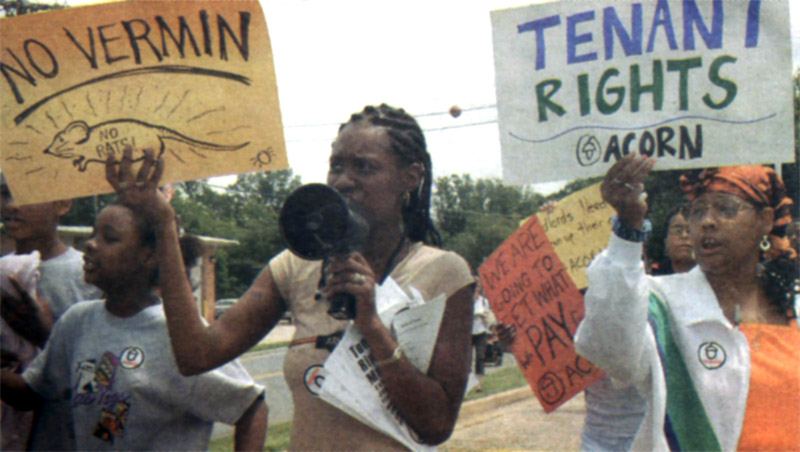
How a community-led campaign is helping save Nigeria’s Kam language
The current number of Kam speakers is approximately 8,000 – 11,000. Like many other languages in northeastern Nigeria, Kam received no attention from researchers before 2016.

Digital surveillance is breaking activist mental health
Digital surveillance does much more than steal data. It inflicts deep human wounds; it stops people from safely developing and expressing their identities, breeds trauma that can last for generations,
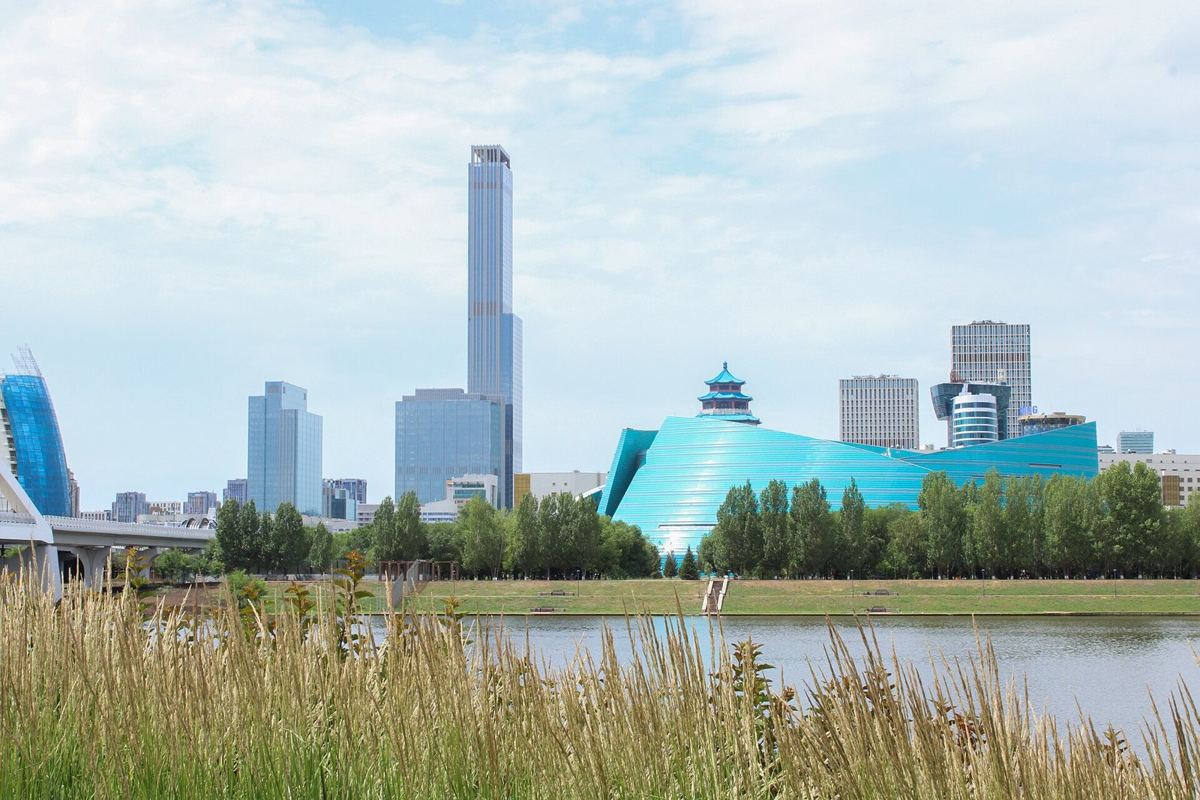
Courts and unions fail to protect workers in Kazakhstan
On paper, trade unions serve as the primary institution by which workers’ rights are protected. For more than three decades in Kazakhstan, however, they have been under constant pressure.
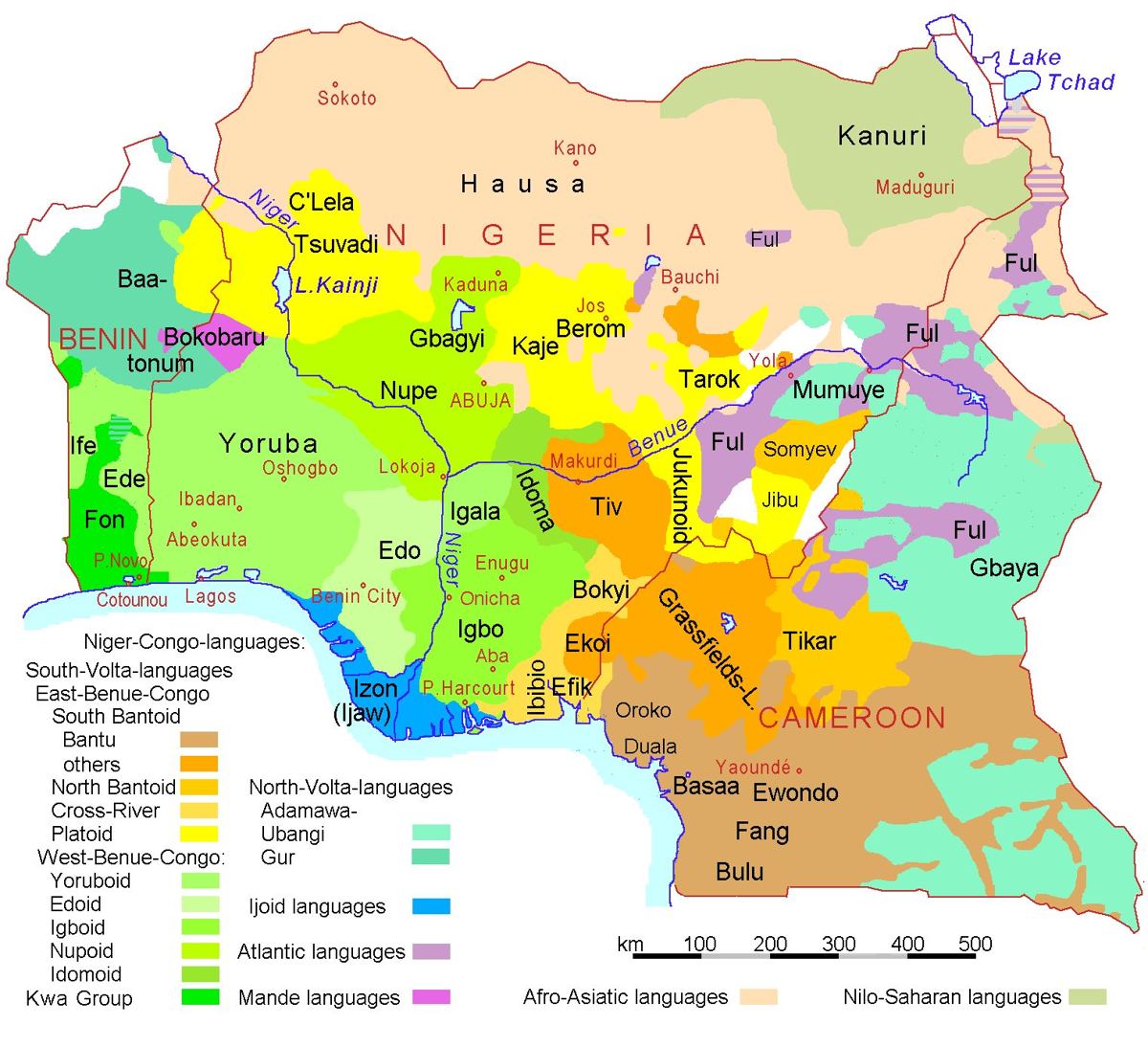
Cocoa farmers in southeast Cameroon are adapting to EU regulations, but they still want a fair price
“We produce certified cocoa respecting standards, which means we have learned to keep the environment, the people, and the cocoa bean healthy- harmony between nature, people, and cocoa.”
Can AI help build peace? African youth are showing a path forward
How are African youth using AI to build peace? What are some of the challenges that come with using AI for peace?

Brazil opens investigation on Google over its AI’s impact on the journalism industry
Commissioner Diogo Thomson considered that the insertion of generative AI has “significantly altered the dynamics of access, visibility, and monetization of journalistic content in the digital environ
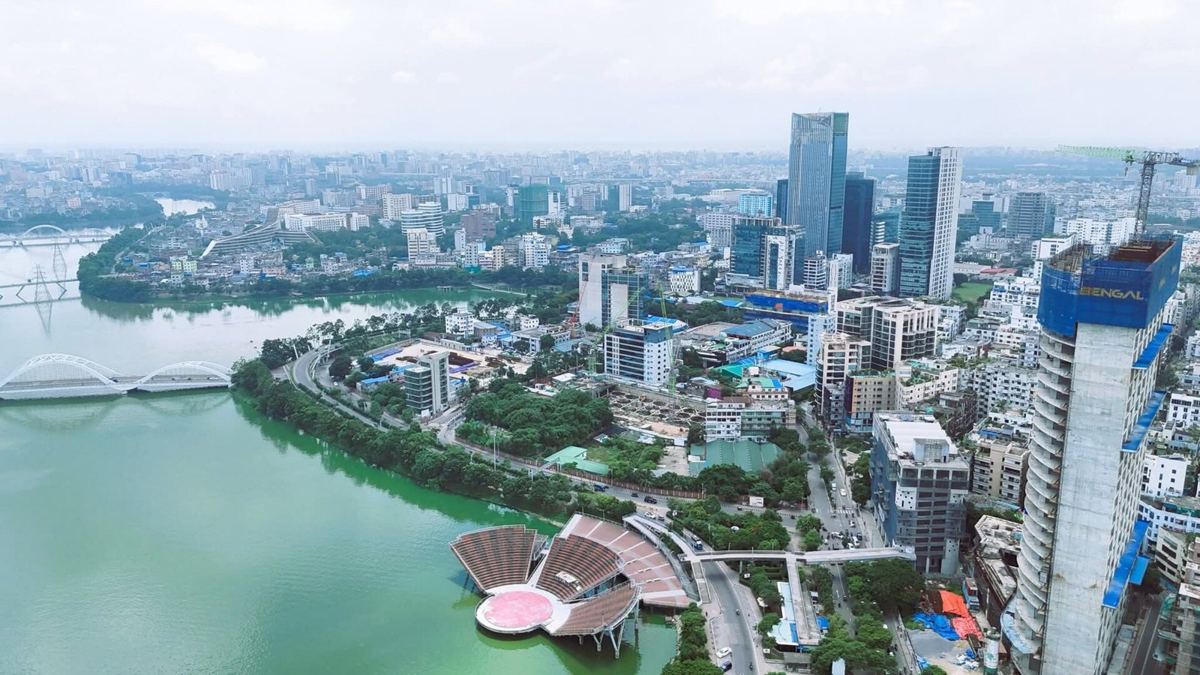
AI cameras are surveilling the roads in Dhaka, Bangladesh
Over 1,000 cases were filed in 10 days as Bangladesh launches an AI-powered traffic enforcement system for the first time, while the fate of unregistered battery-powered rickshaws stays unclear.
A stateless traveler’s journey through ignorance and misinformation
“As a person who was born stateless ... I have learned to fear things that come naturally to other people.”