Light Is a Clock Signal Before It Is a Sleep Tip
The same light can shift a body clock differently depending on when it arrives. That is why “get more light” is incomplete advice.
A Pulse Oximeter Is a Clue, Not a Verdict
A fingertip device can reveal a useful trend, but its neat percentage is still an estimate shaped by circulation, temperature, fit, movement and skin pigmentation.
Earwax Is a Conveyor Belt, Not Dirt
The ear canal normally moves wax outward while we talk and chew. Cleaning can interrupt that system, and a blocked feeling is not enough to diagnose the cause.
A Joint Crack Is a Pressure Change, Not Proof of Damage
The sound can be startling, but a painless crack and a painful joint are different signals—and the evidence is more useful when it keeps them separate.
A Bruise Is a Cleanup Process You Can See
The colours under the skin are not a perfect clock. They are traces of blood leaving damaged vessels and tissue gradually clearing the spill.
Virginia Apgar Made One Minute Comparable
Her five-part newborn score gave clinicians a shared observation at a critical moment—and later guidance explains why that snapshot should not become a prophecy.
A Decibel Number Needs a Time Limit
Hearing risk is a dose, not a single volume reading: level, duration, distance and repetition all belong in the same calculation.
A Fasting Blood Test Needs Instructions, Not Guesswork
“Come fasting” sounds simple. The useful question is what your particular test measures, for how long preparation matters, and what must be reported rather than concealed.
The Medicine List That Prevents Guesswork
A useful medication record describes what you actually take, not merely what an old chart says you were once prescribed.
The Ulcer Story Did Not End With H. pylori
The bacterial discovery overturned decades of confident advice about stress and acid. Then resistance and other causes complicated the cleaner version of the story.
One Blood Pressure Reading Is Not a Verdict
A cuff produces two useful numbers, but the setting, the technique and the pattern across time decide what those numbers can honestly tell you.
The Reviewer Who Kept Asking for Evidence
Frances Kelsey did not stop thalidomide with a flash of intuition. She used the slow, ordinary power of an unanswered safety question.
Ebola’s Map Is Growing Faster Than Its Treatment Network
Two more health zones are affected and a new treatment centre has opened. The decisive measure is whether surveillance can find transmission before patients arrive.
10,000 Steps Came From a Product Name in 1965. Australia's Guidelines Now Say 7,000.
The world's best-known health target began as a pedometer's trade name. The largest review of the evidence puts the bend in the curve between 5,000 and 7,000 steps — and finds five outcomes where it never bends at all.
Why Doctors Check Blood Pressure in Both Arms — and Almost No One Does It at Home
A gap of more than a few points between your left and right arm is common, usually harmless, and occasionally the first clue to something worth checking. Here's how to test it yourself in under two minutes.
One Death Changes the Ebola Map — But Not Yet the Whole Risk Picture
A confirmed Ebola death in Bas-Uele shows why the difference between an imported case and local transmission matters.

Preeclampsia rates in minority communities shed light on the social roots of maternal health disparities
Disproportionate rates of preeclampsia – a potentially dangerous pregnancy complication – in immigrant populations reflect the physical toll of social and economic insecurities.
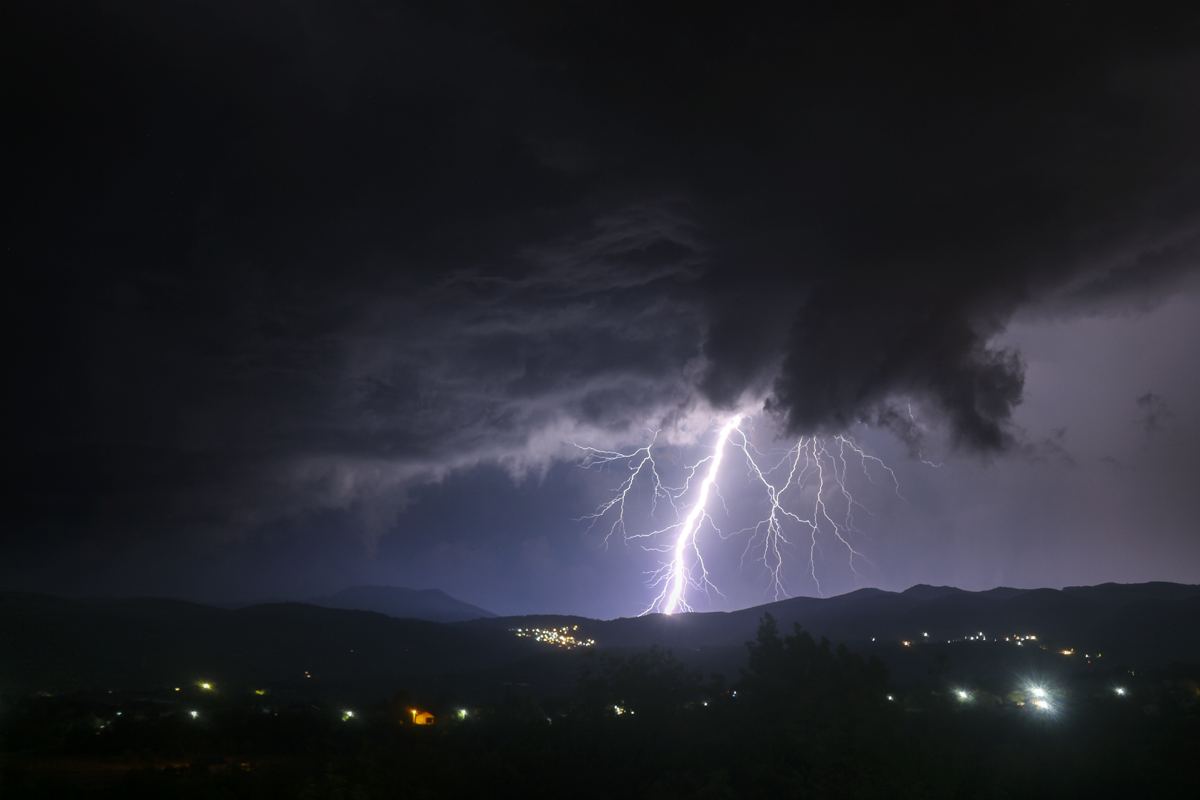
Lightning strikes kill thousands globally each year, but for those who survive, the storm is far from over
Most lightning strike survivors have no visible scars, but their invisible injuries often go untreated.

Cyclospora spreads through human waste – so how did it get on food?
US sewage treatment plants likely don’t get rid of all the disease-causing protozoa, and monitoring discharged wastewater for it is difficult.
Chronic pain is missing from America’s heat warnings
Chronic pain can make it hard to walk, carry groceries or sleep through the night. A new study finds that extreme temperatures are linked to that kind of pain.
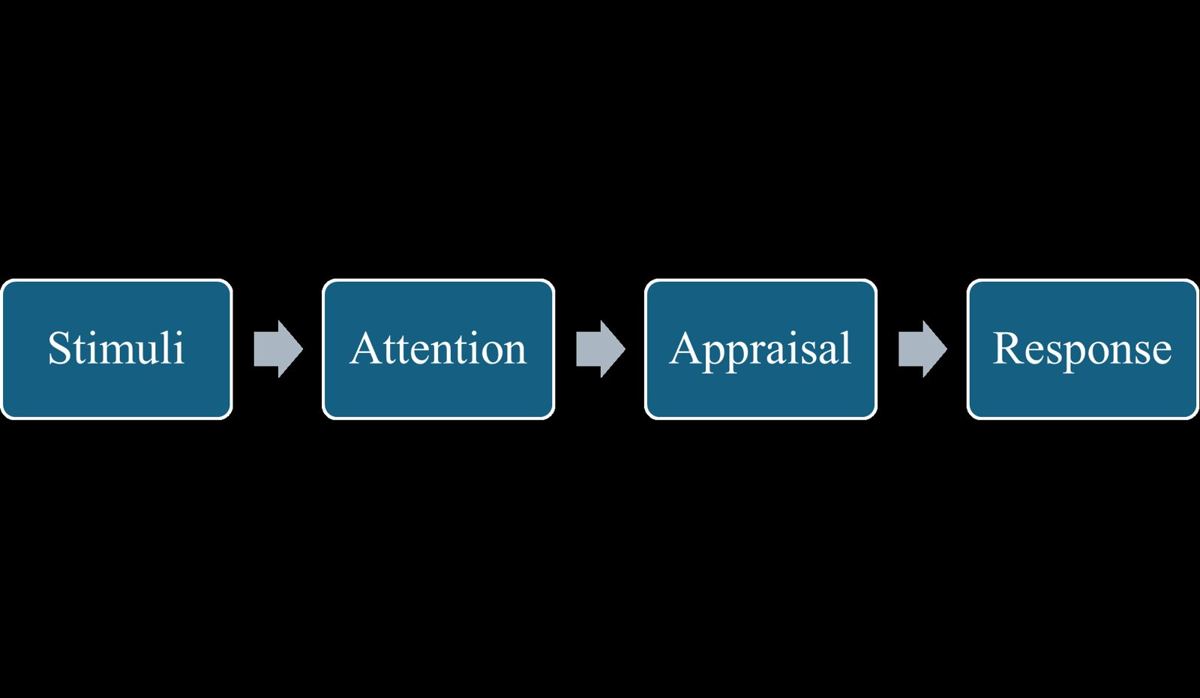
What is emotional regulation? A child psychologist explains
The aim isn’t to get rid of difficult feelings, but to find ways of managing them effectively.
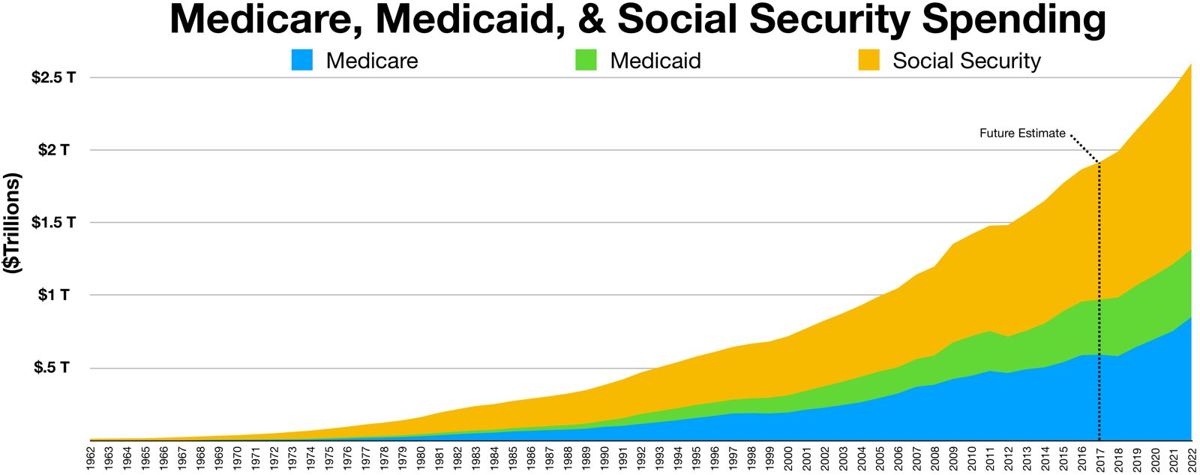
Trump administration is withholding more than $1B in Medicaid funds from California and Minnesota, in latest example of weaponizing real and imagined fraud
For six decades, politicians have blurred the distinction between protecting Medicaid from abuse and using abuse to discredit Medicaid itself.
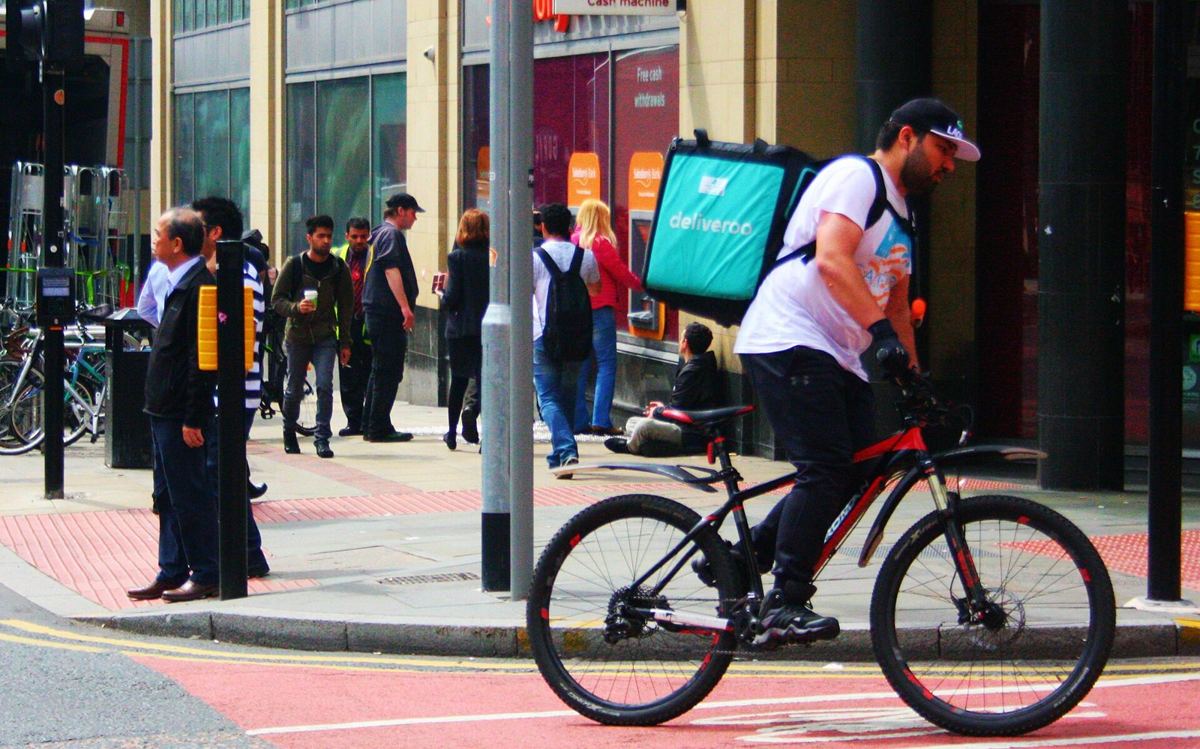
The typical gig worker is changing – and struggling more than ever to make ends meet
For many gig workers, app-based work is no longer just about extra cash but economic need, a new survey finds.

Philadelphia’s failing air quality hits hardest in neighborhoods near industry and highways, where asthma rates soar
Greater Philadelphia earned failing air quality grades. A new study finds higher asthma rates near industry and major roads, especially where green space is scarce.

In memory care deserts, senior centers can help close the gap in brain-related healthcare
Specialized health care for brain-related issues can be lacking in rural areas, but collaborative, community-based approaches can help address these inequities.
How to do your own online health research like a scientist – a biostatistician’s step-by-step guide
Here’s how to sift through complicated studies without getting overwhelmed.
First mRNA flu shot approved by FDA bodes well for improving drugs of the future – though a few hurdles remain before mRNA can move beyond vaccines
From COVID-19 vaccines to Moderna’s mRNA flu vaccine, using mRNA as medicine has shown promise. But before mRNA drugs can go beyond vaccines, researchers need to identify the right diseases to treat.
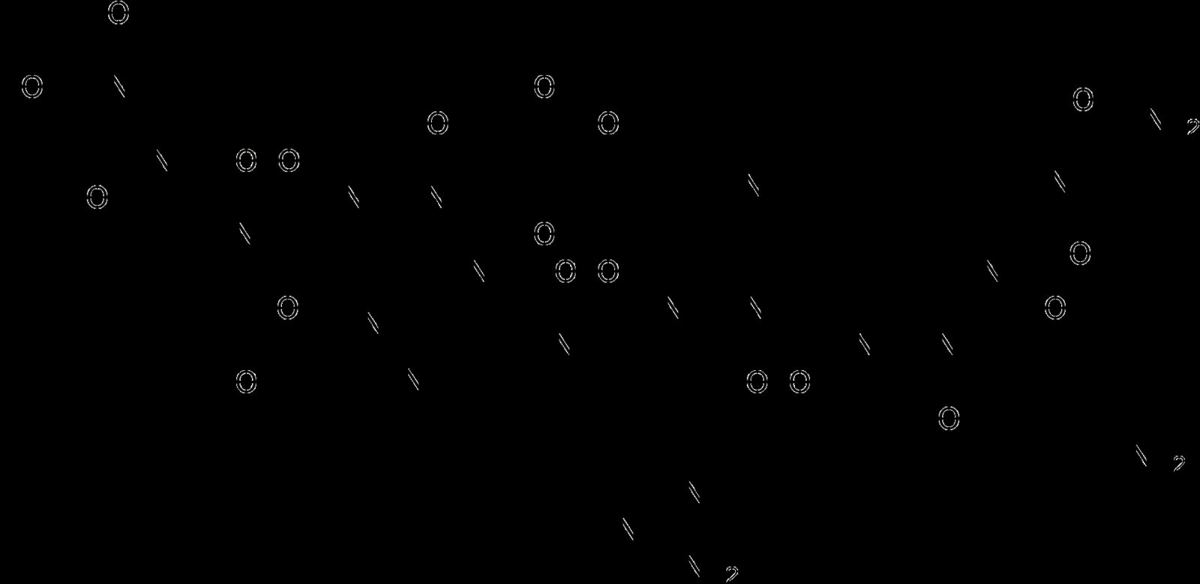
DIY peptide injections are risky, and people may make serious mistakes when administering them
On top of the risks of injecting untested and potentially contaminated products, user error may make this runaway wellness fad even more dangerous.