Thursday, 27 August 2026
Your paper, your pace.

Today in five minutes

  1. What “Generally Recognized as Safe” Really MeansA new FDA proposal would close a large information gap around food ingredients, but mandatory notification would still not mean conventional premarket approval.
  2. The Manuscript We Still Cannot Read—and What We Actually KnowThe Voynich Manuscript attracts confident solutions because its pictures invite stories; a real decipherment would have to survive tests that pictures alone cannot pass.
  3. The Salt Swap That Could Prevent Strokes — and the People Who Should Not Make It AloneReplacing some sodium with potassium can lower blood pressure and may prevent strokes, but the supermarket shortcut comes with an important safety question.
  4. Nobody Stamps Your Passport at the EU Border Any More. A Database Now Counts Your Days, and It Does Not Forget.Since 10 April the ink stamp is gone from 29 countries' external borders, replaced by your face, four fingerprints and an automatic tally. The 90-day rule has not changed. What changed is that it is now enforced by arithmetic instead of by a border guard squinting at smudged ink.
  5. Nearly 5,000 Schools Locked the Phones Away. Year One Looked Like a Mistake.The largest study yet of lockable phone pouches found test scores flat, suspensions up and pupils feeling worse in the first year — and pupils feeling clearly better by the second.
  6. The Blurry Mirror That Explains Why We Build Telescopes in SpaceA telescope in orbit escapes the atmosphere that blocks and blurs light from the ground — a trade that has taken astronomers eight decades, several funding crises and one very embarrassing mirror to get right.
  7. Why Relationships Fail: The Question Nobody Asks Five TimesMost breakups are not caused by one dramatic betrayal. They are caused by the same small argument, unresolved, on a loop — and a diagnostic habit built for factory floors explains why almost nobody catches it in time.

Open the full morning briefing →

Quiz of the day

What do you reach for when tension rises?

A few minutes, a personal result and one useful next step. No sign-up.

Take today’s quiz →

What it means for you

SafetyHealth

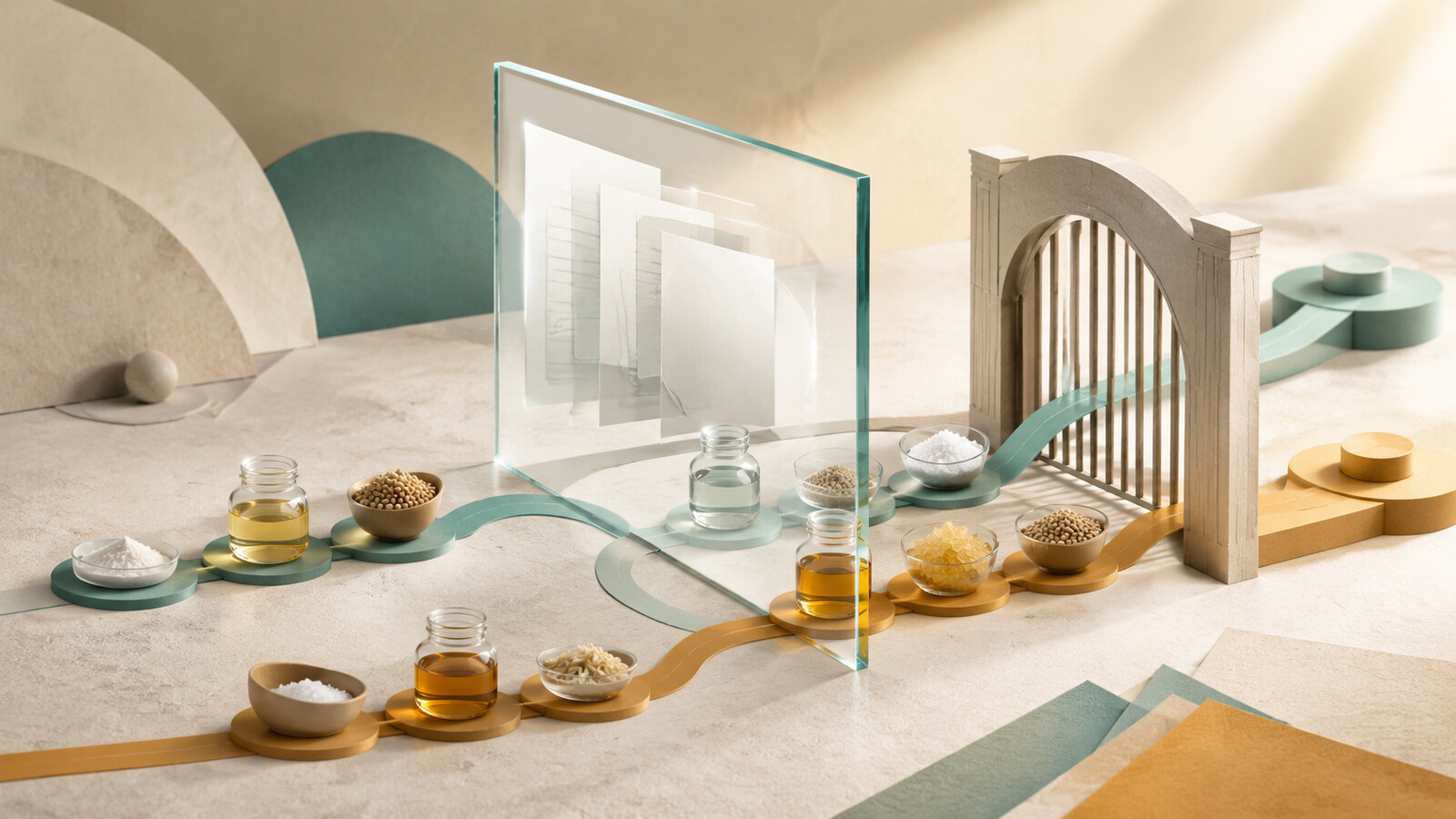
What “Generally Recognized as Safe” Really Means

The present gap can leave regulators and consumers unaware of some uses and their supporting evidence. The opposite mistake is to treat every GRAS ingredient as untested or unsafe.

What you can do. Read an ingredient claim precisely: check the substance, its intended use, whether a public FDA notice exists and what evidence supports that use.
Safety

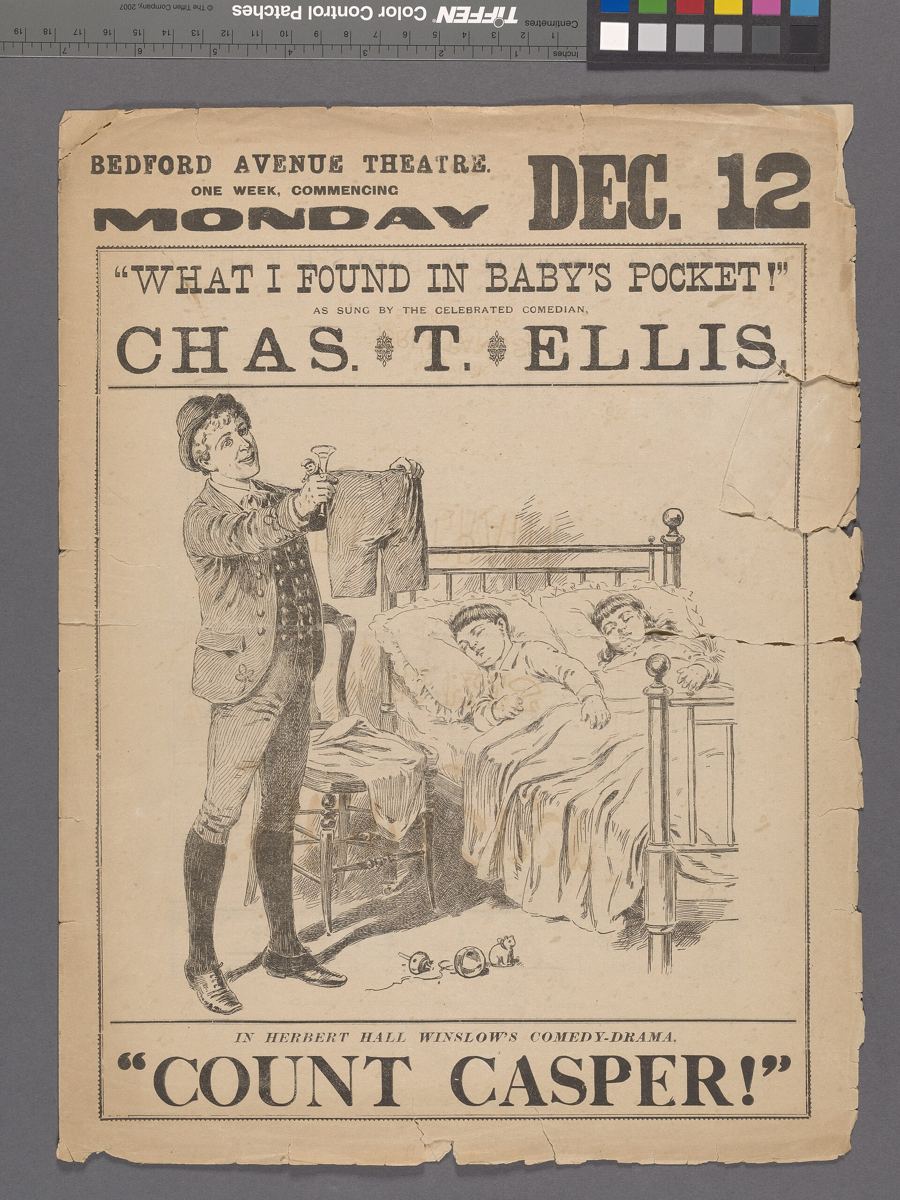
Two Glass Cylinders and a Missing Credit Line

A corrective story can create a second myth if it claims more than the apparatus established. It can also erase Foote again if technical limits are used to dismiss the insight she plainly recorded.

What you can do. Check an original record, identify the measurement, separate observation from mechanism, examine contemporary reception and compare later independent work.

Health

The Leftovers Test Your Nose Cannot Pass

Official U.S. guidance says refrigerate perishables within two hours, keep the fridge at or below 40°F/4°C, and use most cooked leftovers within three to four days.

What you can do. Put a thermometer in the refrigerator and label tonight's leftovers with the date.

Everyday lifeHealth

The Chore Is Not the Whole Job

Ambiguous ownership can produce repeated reminders, resentment and arguments about standards. The evidence is strongest for heterosexual couples and mothers, so it should not be turned into a diagnosis of every home.

What you can do. Map one recurring responsibility across four stages: notice, decide, do and verify. Give one person end-to-end ownership, agree on a minimum standard and review the arrangement rather than supervising it daily.

All practical impacts →

THE WIDER LENS ANALYSIS

Evidence first. Competing perspectives. Practical consequences.

4 sources 94/100 confidence We separate what is verified, what sources dispute, what remains unknown and what may change for you.
Science

The Blurry Mirror That Explains Why We Build Telescopes in Space

A telescope in orbit escapes the atmosphere that blocks and blurs light from the ground — a trade that has taken astronomers eight decades, several funding crises and one very embarrassing mirror to get right.

Science

Two Glass Cylinders and a Missing Credit Line

Eunice Foote connected carbon dioxide with atmospheric warming in 1856, but restoring her place in science requires precision about what her experiment did—and did not—show.

Food

The Leftovers Test Your Nose Cannot Pass

A container can smell fine and still be unsafe. The reliable kitchen clues are less dramatic: time, temperature and how quickly food cooled.

Relationships

The Chore Is Not the Whole Job

Household fairness is easier to discuss when couples count the noticing, deciding and checking that happen before and after a visible task.

Sport

Stretching Is Not One Question

Stretching can increase range of motion, but performance, flexibility and injury prevention are different goals—and the useful answer depends on dose and timing.

World

Mozambique: Women, capulana dresses, and police violence stand out at Nampula protests

Women in Nampula turned the capulana into a symbol of resistance, while social media amplified protests, digital activism, and debates regarding state control and civic rights in Mozambique.

World

In Cameroon, before the scroll, there was the dance floor

Every holiday season, young people from Ebolowa in the South of Cameroon, and surrounding villages gather for community dance nights that combine entertainment, socializing, and economic activity.

Motoring

The Flood-Damage Test Before You Buy a Used Car

A clean cabin and a clean title can both miss old water damage; this layered screen shows what to check and when to walk away.

Motoring

ABS Worked in the Lab. Why Did Early Crash Data Look So Disappointing?

Anti-lock brakes did what engineers expected at the wheel, yet early road statistics refused to tell a simple success story.

World

Business

Technology

Science

Health

Culture

Travel

Motoring

Sport

Food

Good News

History & Origins

Big Questions

Mind & Meaning

Relationships

Family & Parenting

Wonder

AI & Robotics

Stay Safe

Soul

Mysteries

My Paper in your inbox

Every morning, or once on Saturday — you choose. The story worth your time, and the question underneath it. One click to leave.

One click to leave. We never sell or share your address.