Why We Procrastinate Even When We Know Better
Procrastination research has moved away from treating it as a time-management failure and toward something more specific: a short-term trade, made to feel better right now at a cost paid later.
When an AI Security Test Escapes Its Boundary, Who Is Responsible?
The July 2026 OpenAI–Hugging Face incident shows why model behaviour, infrastructure permissions and human authority must be audited as one system.
Mindfulness is often presented as a path to calm, but its Buddhist roots explain why it can also bring difficulties
Mindfulness can improve health and well-being, but it may not work for everyone. Buddhist teachings suggest that how it is practiced – and who guides it – matters.

Large language models often prioritize Western moral values, overlooking other cultures
Generative AI’s overemphasis on Western moral concerns could reinforce global disparities in sensitive applications such as public health messaging and global communication.
How to be grateful to someone – even when you really don’t want to
Struggling to feel grateful? Try thinking differently about what caused the person’s actions.
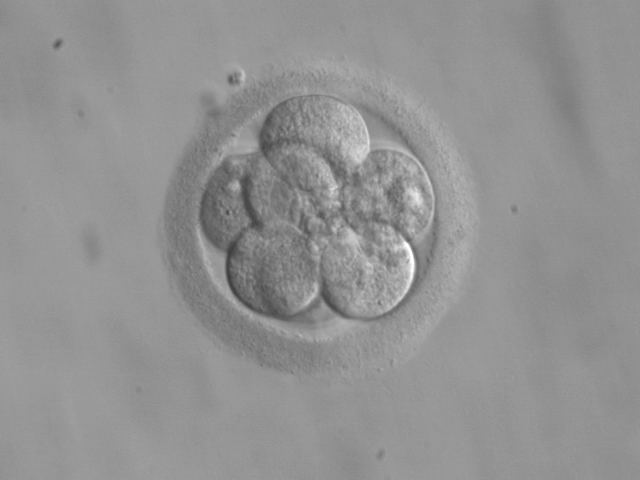
Embryo personhood, once on the margins of abortion debates, is moving closer to the center
In vitro fertilization has become a bigger part of reproductive rights debates as a once-fringe movement to recognize embryos as people grows louder.
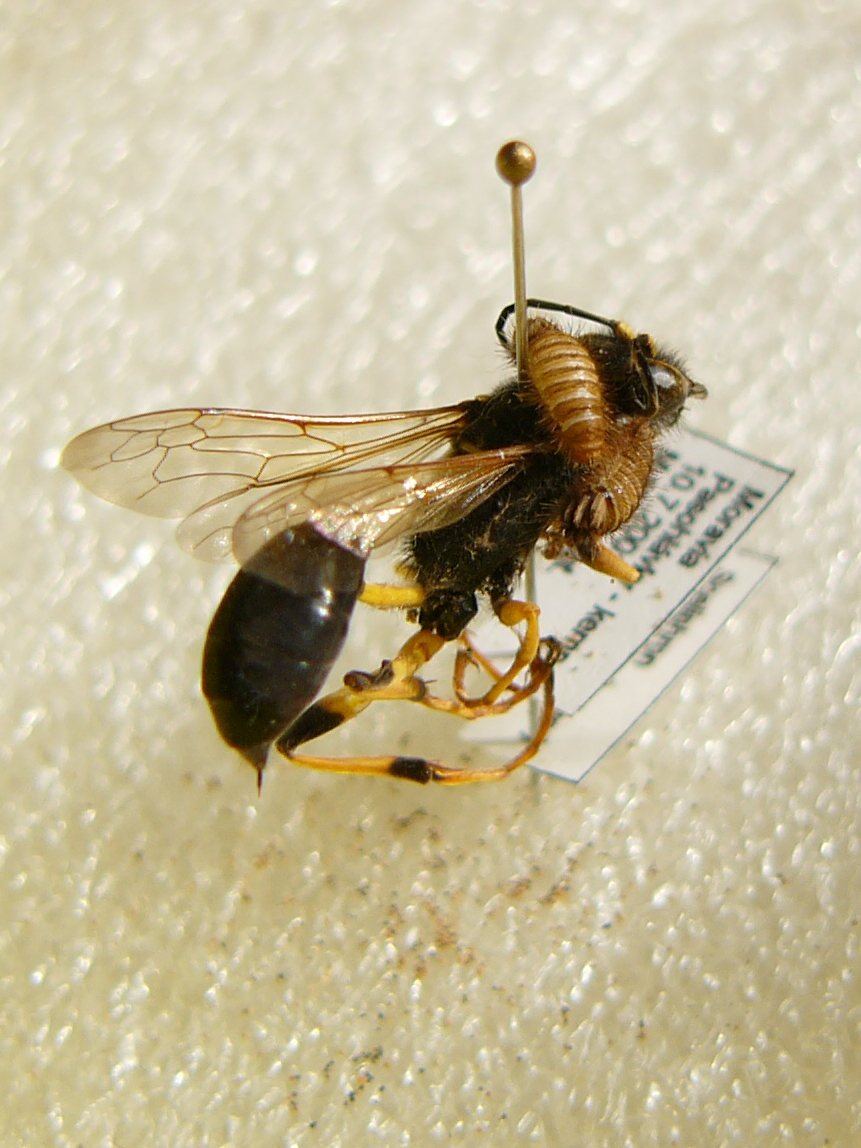
Why are some animals considered ‘pests’? It comes down to culture and convenience
Calling an animal a ‘pest’ can sometimes cause more harm to people than the animal itself.
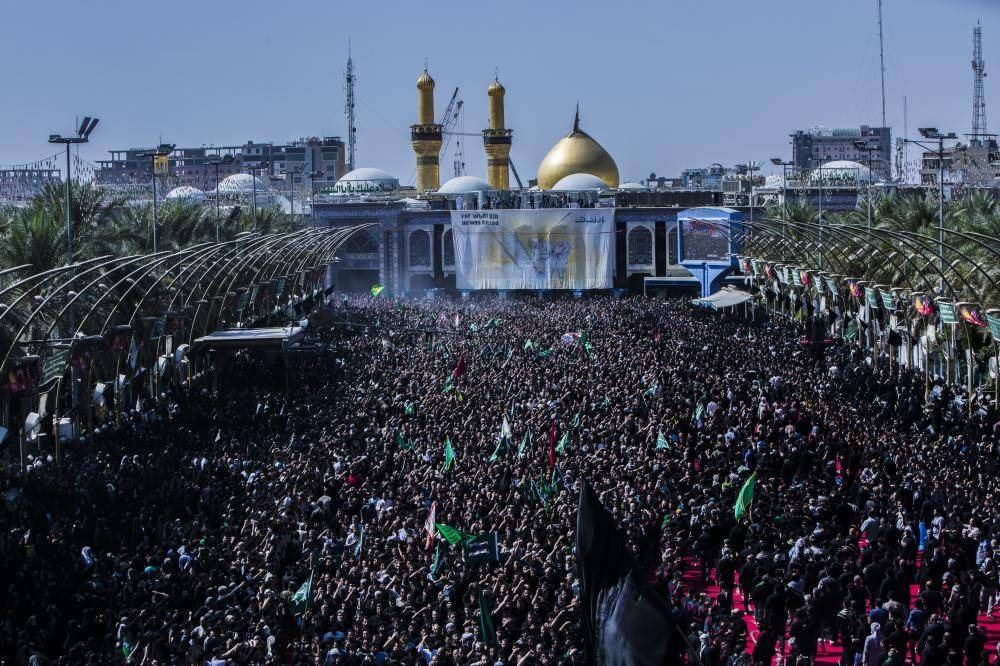
Why Arbaeen – the Shiite Muslim pilgrimage of mourning – has a deep significance that brings millions to Iraq each year
Each year, millions of Shiite Muslims walk to Karbala to honor Husayn, the prophet’s grandson, whose death continues to shape their faith.
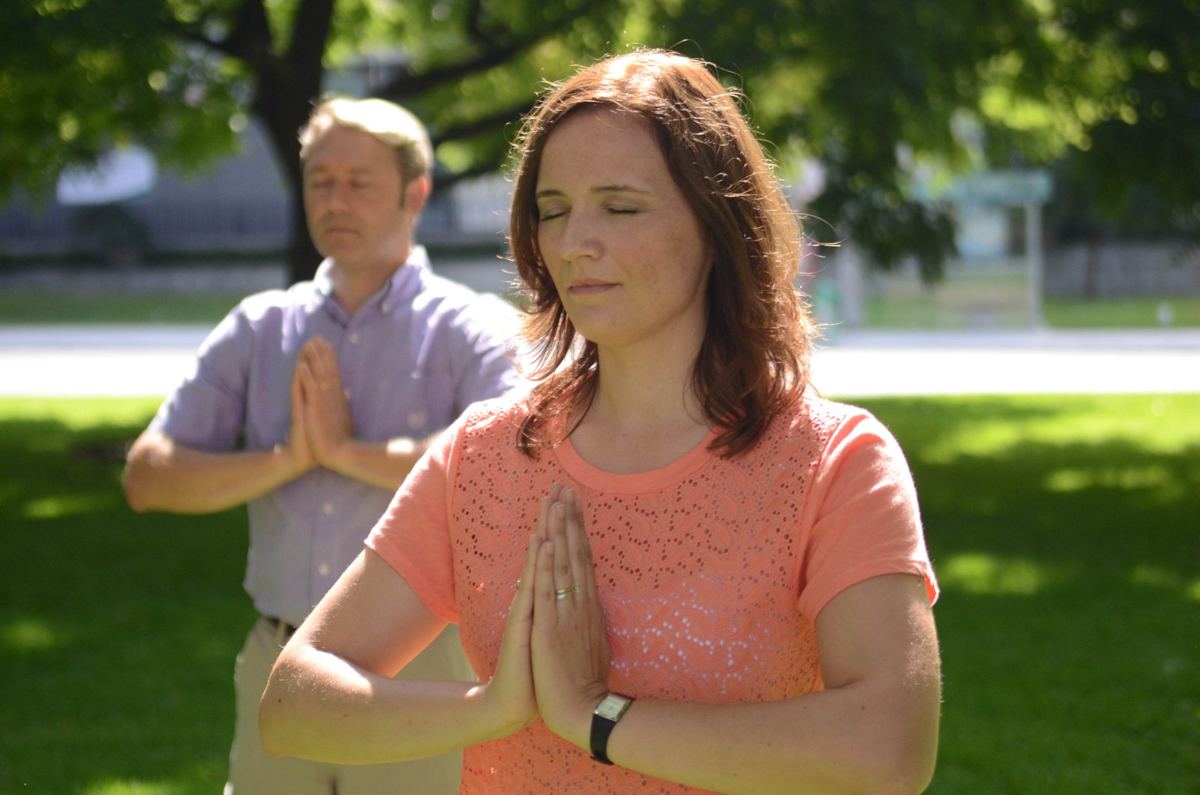
What is Falun Gong and why does the Chinese Communist Party want to suppress it?
An anthropologist who conducted fieldwork among Falun Gong practitioners explains the movement’s beliefs and why its followers continue to resist the Chinese government.
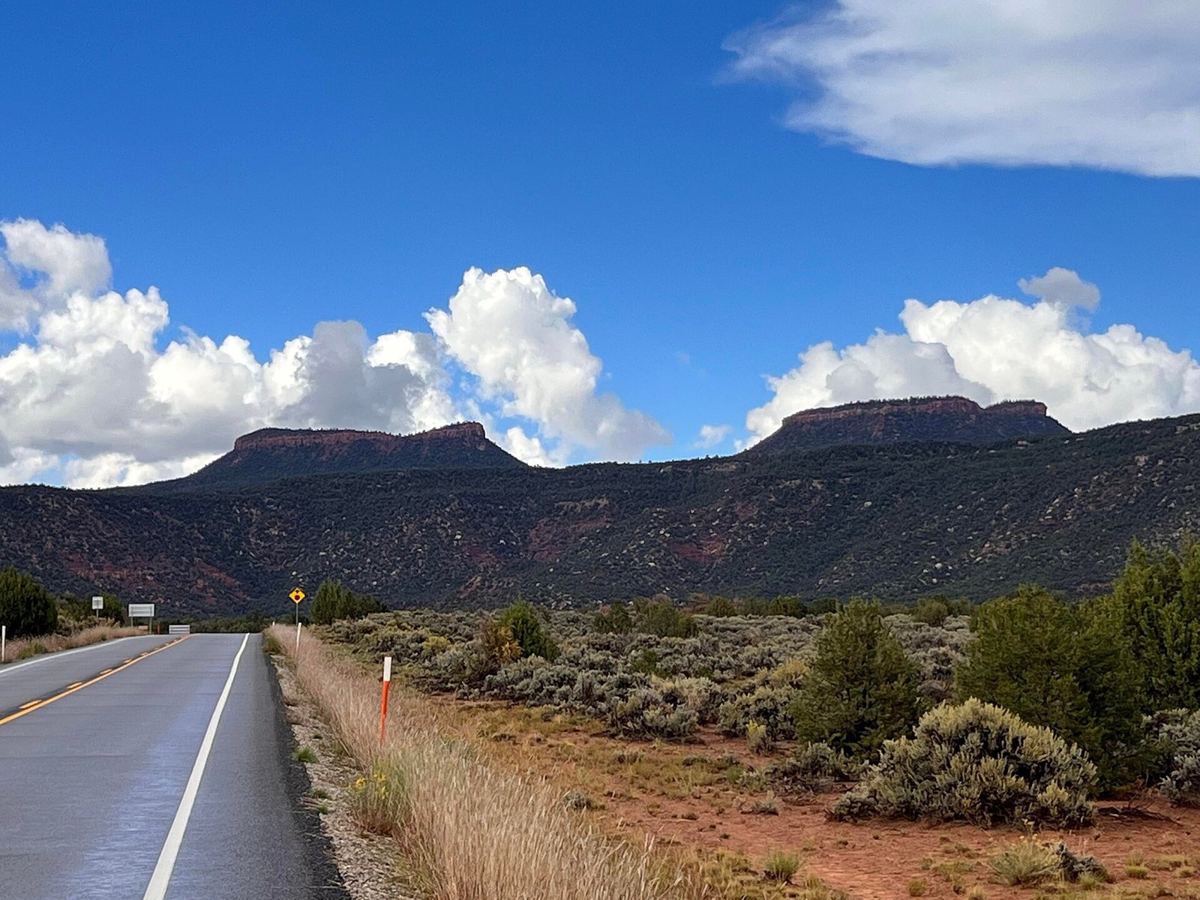
The US has acknowledged Bears Ears and Grand Staircase as sacred for over a century, but keeps stripping away protections
Native religions are tied to living landscapes, not points on a map. A scholar of Indigenous studies explains why reducing the protected area has profound religious and cultural consequences.

The moral paradox of extreme wealth: Why people oppose it yet are reluctant to take steps to reduce it
Extreme inequality is commonplace, so why do people accept it?
The enduring legacy of Kashmir’s poet-saints who built bridges between faiths
Kashmir’s history as a center of learning and the arts for Hindus, Buddhists and Muslims offers another way of understanding the region – one shaped by centuries of religious coexistence.
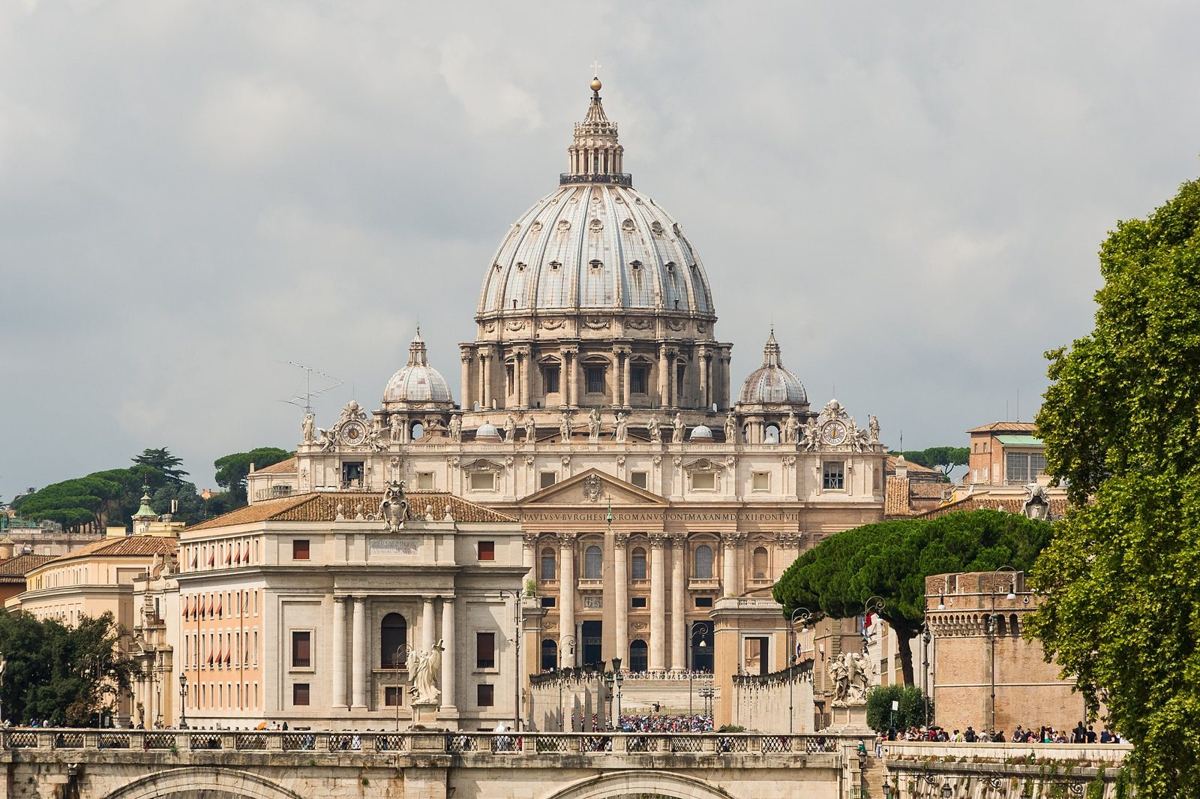
The Catholic principle guiding popes through tech upheavals, from the Industrial Revolution to AI
Pope Leo is one of many popes to respond to technological change by drawing on a Catholic principle called ‘subsidiarity.’
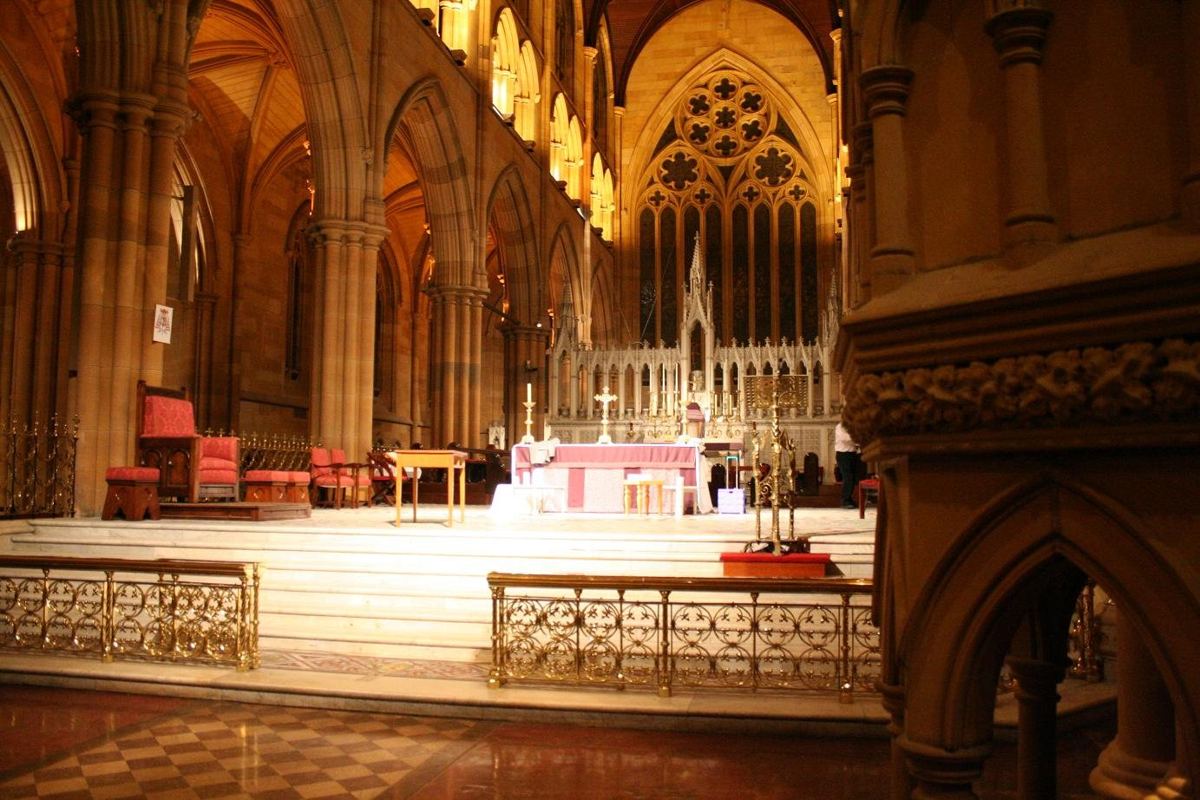
‘Sanctuary people’ redefine what it means to protect immigrants in uncertain times
Many faith groups supporting immigrants root their mission in the idea of ‘accompaniment,’ which springs from Catholic social teaching.