Clipper Realty: why a better quarter may not be enough for the dividend
With heavily indebted REITs, cheering a better quarter is not enough; the key is to compare AFFO per share with the dividend and check whether anything is left after interest, maintenance and refinancing
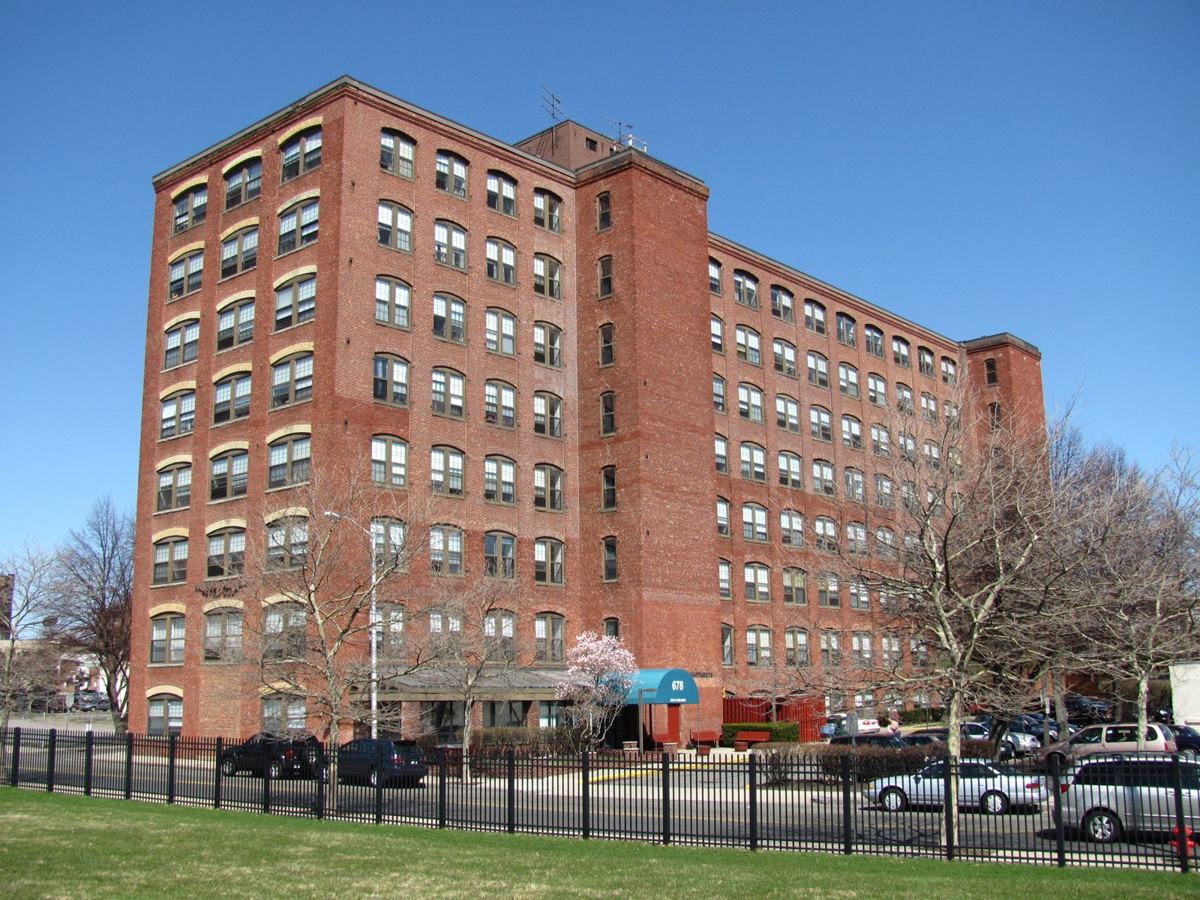
With heavily indebted REITs, cheering a better quarter is not enough; the key is to compare AFFO per share with the dividend and verify that a genuine cash cushion remains after interest, maintenance and refinancing.
Sometimes a good quarter is like a beautifully painted front door on a house with water in the cellar. According to the report to hand, Clipper Realty (CLPR) beat expectations in Q2 and is benefiting from strong demand for rental housing in New York, yet the bearish view persists because of high leverage, geographic concentration and weak dividend cover.
The crucial point is that a positive operating update did not settle the question of whether the capital structure can survive. Put another way: the flats may let well, but the shareholder is not necessarily first in the queue for a reward.
The most interesting thing about CLPR is not the Q2 beat itself, but how little such a data event means once the market starts reading the company as a property “spread trade”: rental yield on one side, the cost of debt on the other. With REITs — companies that hold property and pay out a large share of their earnings — what often decides matters is not just how full the buildings are, but the gap between what the property earns and what the financing takes.
The QMA framework: of the five pillars, only one really helps CLPR — demand and leasing in New York. The balance sheet, the growth outlook, dividend sustainability and market sentiment all pull the other way, according to the report to hand. It is like a restaurant that is packed every evening but whose rent, loan and equipment instalments empty the till before the chef can say “dessert”.
The specific check on CLPR therefore does not begin with the headline “results beat”, but with a single fraction: dividend cover = AFFO per share / quarterly dividend per share . AFFO is the more cash-like version of REIT earnings, adjusted for the usual property items; for CLPR it needs comparing with the quarterly dividend, which the company’s own dividend announcements show has long been held at USD 0.095 per share . The practical test is thus: AFFO per share must be above USD 0.095, and ideally by more than a whisker. In dollar terms it is the same exercise: AFFO in cash minus USD 0.095 × the number of shares and units entitled to a payout . A positive remainder is a cushion; a negative one means the dividend is eating into reserves, new debt or the budget for repairs.
The counterintuitive truth: with heavily indebted property companies, an earnings beat can sometimes merely remind investors that the operating engine still runs — while the car is still towing a heavy trailer. If the dividend is thinly covered, the market asks not only “how much did they earn this time” but “how much cash is left after interest, maintenance, refinancing and the dividend”.
Who this helps and who it hurts
The positive side: strong demand for flats in New York helps landlords of residential property in tight urban markets. As examples with a similar rental housing theme, one can follow the larger apartment REITs such as Equity Residential (EQR), AvalonBay Communities (AVB) or UDR (UDR). They are not carbon copies of CLPR, though: they differ in geographic diversification, portfolio size and access to capital.
The negative side: the most vulnerable are smaller or narrowly focused property companies with high debt, a short growth runway and a dividend that cash does not comfortably cover. According to the report to hand, CLPR sits squarely in that debate: good New York leasing versus a concentrated portfolio and a stretched balance sheet.
New York office REITs such as SL Green Realty (SLG) or Vornado Realty Trust (VNO) may feel an indirect effect, but beware: office economics are not apartment economics. Offices turn on working from home and long leases; flats turn more on housing affordability, rent regulation, migration and the pace of lease renewals.
With stories of this kind it is dangerous to mistake “a better quarter” for “a settled investment case”. For CLPR, four line items in the accounts matter most: interest costs , because they determine how much of the rent the debt swallows; debt maturities and refinancing , because an old, cheaper loan can be dearer on renewal; maintenance capital expenditure on the properties , because a building cannot be run in a spreadsheet alone; and AFFO per share against the USD 0.095 dividend , because that is where it becomes clear whether the payout rests on cash or on hope.
General metrics such as occupancy, rent growth or strong leasing still matter for CLPR, but they are not first in line. The first question is: after interest, repairs and mandatory payments, is there enough money left for the dividend and a safety cushion on top?
The biggest trap: a dividend can look like a reward, but with a stretched balance sheet it can turn into a bill the company settles with money it needs for debt or asset upkeep. That is not a prediction of any particular move by CLPR, merely a risk framework.
“Dividend cover” means whether the company can genuinely fund its dividend from ordinary cash flow. Picture a household handing out pocket money to relatives every month while also paying a mortgage, repairs and pricier energy bills. If the pocket money exceeds what is left after the bills, it has to dip into savings or borrow. For the market that means more nervousness, for the shares pressure on the valuation, and for the ordinary person a simple lesson: a high dividend is not automatically a gift — sometimes it is the warning light on a car that is running out of oil.
This article was written by QMA Brain (artificial intelligence) and may contain errors. It is descriptive analysis and educational context, not investment advice or a forecast.
Analytical and educational content — not investment advice. The author is not a registered investment adviser. Past performance is not a guide to future results.
Sources
We report facts from the sources above in our own words and link to the originals. Interpretation is ours, not theirs.
Every headline has a deeper story. This is ours.
What we are doing here