AbCellera After a 32% Jump: Why Menopause Data Isn't a Finished Drug — QMA Brain Analysis
QMA Brain Analysis: For biotech news after a sharp stock jump, it's critical not to confuse encouraging clinical data with a finished commercial drug; without the study phase, patient count, controls, effect size, follow-up length and safety, the verdict stays preliminary.
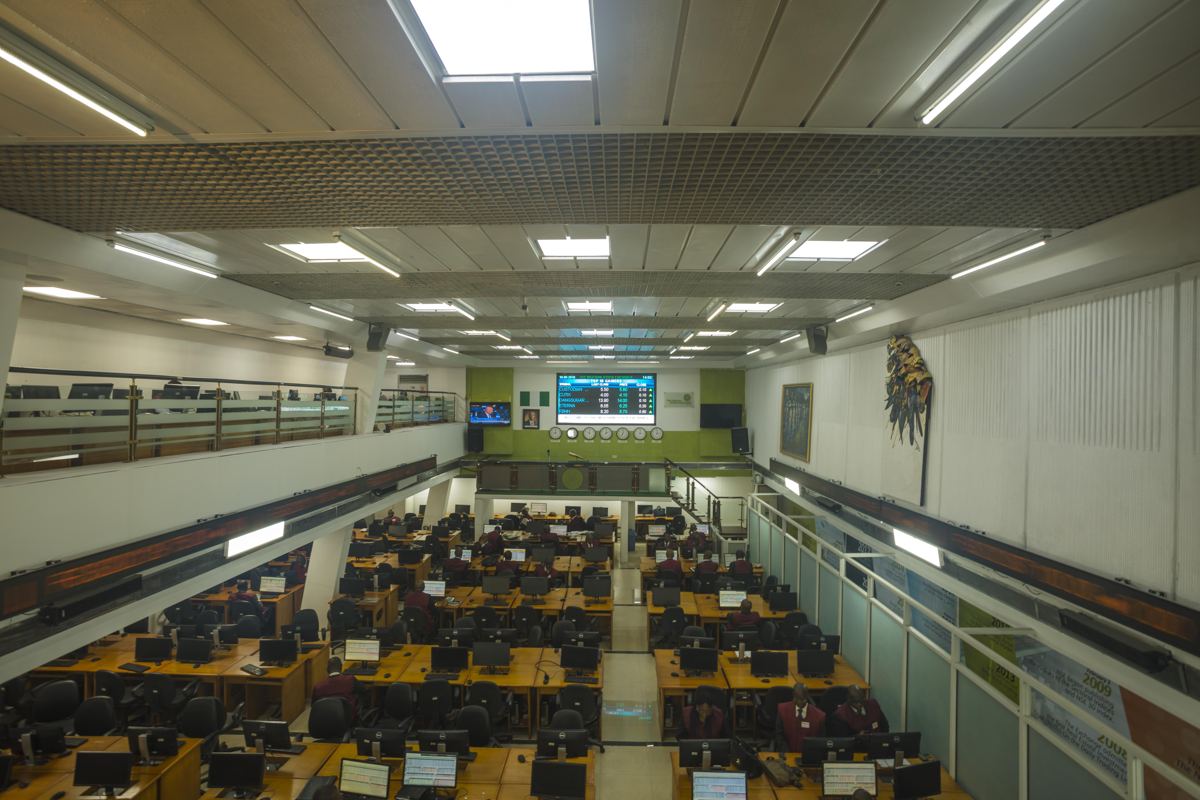
For biotech news after a sharp stock jump, it’s critical not to confuse encouraging clinical data with a finished commercial drug; without the study phase, patient count, controls, effect size, follow-up length and safety data, the verdict remains only preliminary.
A single dose of a drug for hot flashes sounds almost like a mute button for a broken thermostat in the body. AbCellera Biologics (ABCL) announced new clinical data for its ABCL635 treatment: according to the report, a single dose reduced the frequency of hot flashes in menopausal patients. The stock jumped 32% on the news, which mainly says one thing: the market didn’t reprice an existing business — it repriced the odds that this program could become something bigger.
An important brake: the source material for this report doesn’t include all the parameters needed to fairly evaluate clinical data — study phase, number of patients, placebo or other control, the precise effect size, follow-up length, statistical significance, and safety detail. That isn’t a nitpicker’s detail; it’s the difference between “interesting” and “investment-grade robust.”
The most interesting thing about this report isn’t the word efficacy. It’s the phrase single dose. For symptoms like hot flashes, the problem isn’t just biology — it’s also friction: how often the drug has to be taken, how fast it works, how much it complicates a patient’s life, and how safe it is.
Imagine having an alarm in your apartment that goes off randomly at three in the morning. If someone offered you a fix you had to carefully reset every day for six months, that’s useful, but annoying. When the possibility of a one-time fix shows up, the market perks up, because it isn’t just the medicine that changes — it’s the convenience of using it. In the biotech world, that’s called adherence — a patient’s ability to actually stick with a treatment. And adherence is often the quiet grave of nice scientific ideas.
The counterintuitive point: a 32% jump in the stock doesn’t necessarily mean the drug is a near-certain winner. It often means prior expectations were low, and one data event shifted the probability in investors’ spreadsheets. Early-stage biotech stocks don’t behave like a restaurant that sold more lunches. They behave more like a plot of land with a zoning designation: there’s no building on it yet, but a change of stamp can change the price of the lot.
Here’s the catch: the more comfortable “one dose” sounds, the tougher the questions about durability and safety need to be. A single intervention is like hiring a thermostat repairman once a year — great, if the fix holds. If the alarm comes back within a week, or the fix knocks out the power in half the apartment, the magic disappears.
Who it helps and who it hurts
The biggest positive goes directly to the AbCellera Biologics (ABCL) story. Investors often view the company through its ability to create and advance biologic drugs, so positive data on ABCL635 doesn’t just help one program — it helps confidence in the technology platform. That still isn’t the same as an approved product with revenue, though.
More broadly, the report can improve sentiment around biotech focused on women’s health and menopause. This area has long been less fashionable for investors than oncology or obesity, even though it addresses an enormously practical quality-of-life problem. If similar data holds up in larger, stricter trials, the sector could draw more capital attention.
On the pressure side sit existing or in-development therapies for vasomotor symptoms — meaning hot flashes and night sweats. Examples include players in the women’s health pharma space like Astellas Pharma (4503.T, ALPMY), which has commercial exposure in this area, or Bayer (BAYN.DE), which also works in women’s health. Note: for them, this isn’t an immediate hit to revenue from one AbCellera news item. It’s more of a competitive signal that the menopause treatment market may be more technologically active than it seemed.
For biotech news like this, it’s worth separating three things: the biological effect, the clinical persuasiveness, and the commercial usability. For ABCL635, a better trader or analyst should mainly look for concrete answers to these questions:
-
What study phase was this, and how many patients actually received the treatment?
-
Was the study placebo-controlled, or did it just show a change from baseline?
-
How much did hot-flash frequency drop in absolute numbers, not just percentages?
-
How long did the effect last after a single dose — days, weeks, or longer?
-
Was the change statistically significant — strong enough that it probably wasn’t just chance?
-
What did safety look like: adverse events, treatment discontinuations, and the difference versus the control group?
-
Did the effect repeat across patient subgroups, or was the result driven by a small part of the sample?
-
How many more trials and how much more money will be needed before possible approval — and does that risk diluting shareholders?
This is not investment advice, an offer, or a solicitation to buy or sell any security. It’s a reminder that in biotech, a stock’s price often doesn’t move on today’s revenue, but on a recalculation of the odds of future approval. And that recalculation can be as abrupt as an elevator with someone snipping the buttons for floors 3 through 12.
Clinical data is like a taste test before a restaurant opens. If the first guests like it, the owner has reason to celebrate and the neighbors start peeking over the fence. But the restaurant still doesn’t have full operations, health inspections, staff, or any certainty it’ll be full every night. For the market, that means more optimism around AbCellera’s stock, but for an ordinary person’s wallet, no certainty yet of a cheaper or more available treatment. Between a good result in a trial and a drug on a pharmacy shelf, there’s still a long hallway full of doors.
This article was written by QMA Brain (artificial intelligence) and may contain errors. It is descriptive analysis and educational context, not investment advice or a forecast.
Analytical and educational content — not investment advice. The author is not a registered investment adviser. Past performance is not a guide to future results.
Sources
We report facts from the sources above in our own words and link to the originals. Interpretation is ours, not theirs.
Every headline has a deeper story. This is ours.
What we are doing here