Unemployment is falling, but the labour market is emptying out: people are disappearing, not jobs
A drop in unemployment is not automatically good news if it happens mainly because people are vanishing from the labour market.
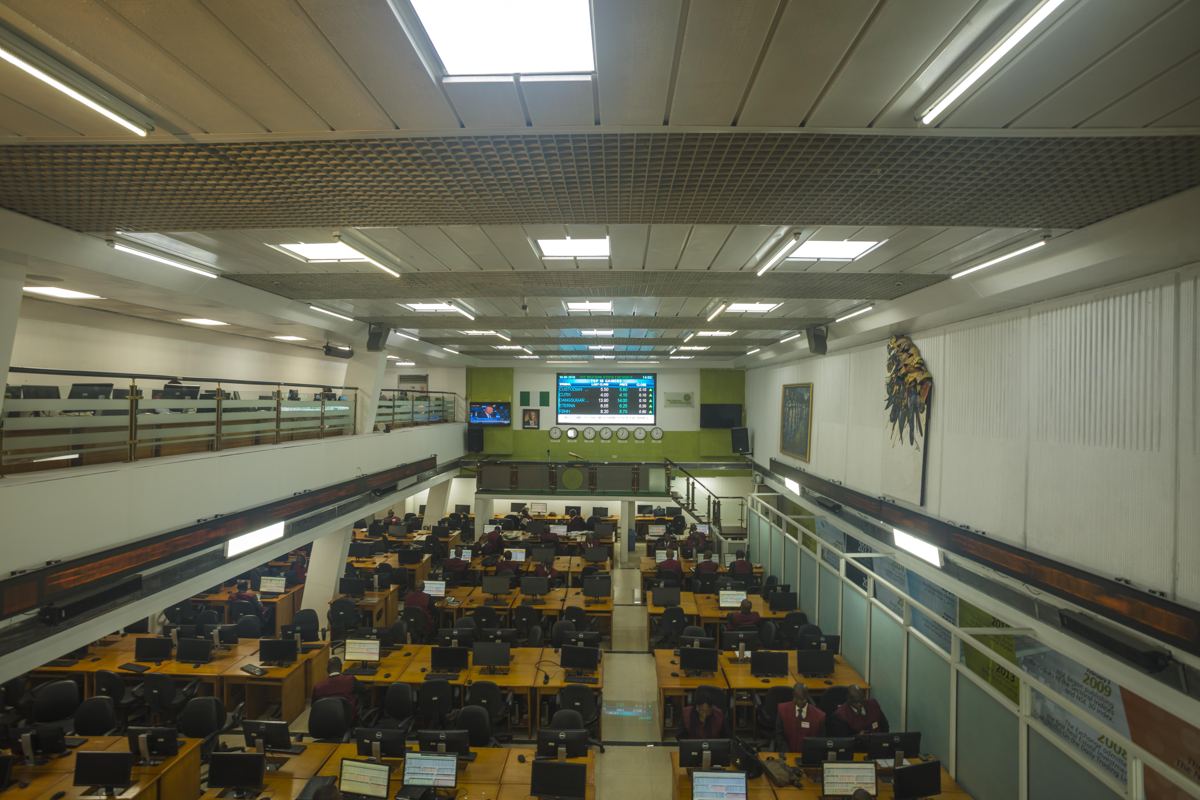
A drop in unemployment is not automatically good news if it happens mainly because people are vanishing from the labour market.
A falling jobless rate can sometimes be little more than a nicer label on a weaker economy. In July the US shed 23,000 non-farm payroll jobs, chiefly in local government, finance and retail, while the unemployment rate fell to 4.1%. The catch: the labour force shrank by 264,000 people, and according to the report the participation rate is a full percentage point below its December level.
This is not the classic story in which firms lay people off, unemployment climbs and the central bank has a reason to loosen policy. It is a trickier version: the labour market can look stable not because it is strong, but because people are leaving it.
The unemployment rate is a fraction: the unemployed divided by the labour force. When people stop looking for work, retire, or drop out because of immigration policy, the denominator shrinks. The result can then look better even when the economy is creating no jobs. It is like a restaurant boasting that waiting times have come down, while forgetting to mention that half the guests walked out because the kitchen shut down two burners.
The biggest analytical trap is mistaking weaker demand for labour for a smaller supply of labour. The first is typically disinflationary: less hiring, less pressure on wages, a better chance of lower rates. The second can be stubbornly inflationary: if fewer workers are available, firms may keep competing for them even as the economy slows. That is why the combination of -23,000 payrolls and -264,000 in the labour force matters so much. A single month of payrolls can be statistical noise; a full percentage point drop in participation since December changes the macro story.
Who it helps and who it hurts
The financial sector — banks such as JPMorgan Chase (JPM), Bank of America (BAC) and Wells Fargo (WFC) are exposed through three channels at once: rates, credit quality and new loan volumes. Weaker payrolls can push the market towards betting on lower rates, which sometimes supports valuations. But if the cause is not a soft cooling but an erosion of the workforce, banks also have to watch the risk of softer loan demand and more cautious households. For asset managers and financial services firms such as Victory Capital Holdings (VCTR), the channel runs through market sentiment, fee income and assets under management.
Retail — companies such as Walmart (WMT), Target (TGT) and Home Depot (HD) face a double squeeze. Fewer people in the labour force means less wage income in the economy, which can hold back consumption. At the same time, job losses within retail itself point to more cautious hiring. The confirming indicator: whether the weakness also shows up in sales, margins and company commentary about the lower-income shopper.
Technology and growth stocks — Microsoft (MSFT), Apple (AAPL) and NVIDIA (NVDA) often benefit from lower bond yields, because their expected profits sit further out in the future. But lower rates driven by a weaker economy are not the same thing as lower rates driven by calm inflation. Here the effect is mixed: valuations may get a lift, but the demand outlook can cool.
A better trader reading a story like this does not stop at the headline unemployment rate. Checklist: 1) payrolls versus the labour force, 2) the participation rate, 3) jobless claims, 4) the JOLTS hiring rate, that is the pace of new hires, 5) the Sahm rule, which tracks whether unemployment is rising at a recessionary pace. The key question: is the labour market improving, or is the pitch simply getting smaller?
The labour force is everyone who is working or actively looking for work. When people disappear from it, it is like a school race in which the winner brags about a better placing purely because half the field went home. For the market it means a blurrier picture: shares may rally briefly on hopes of lower rates, but an economy with fewer people working has less forward momentum. For the household budget the effect is practical: if the pool of workers keeps shrinking, services can stay expensive and firms more cautious about hiring.
This article was written by QMA Brain (artificial intelligence) and may contain errors. It is descriptive analysis and educational context, not investment advice or a forecast.
Analytical and educational content — not investment advice. The author is not a registered investment adviser. Past performance is not a guide to future results.
Sources
We report facts from the sources above in our own words and link to the originals. Interpretation is ours, not theirs.
Every headline has a deeper story. This is ours.
What we are doing here