Editas: beating estimates is not enough. What the revenue, its quality and the cash burn really show
With biotech results, do not dwell on the beat alone. What matters is whether the revenue is repeatable, how fast the cash is disappearing and whether the runway genuinely reduces the risk of future shareholder dilution.
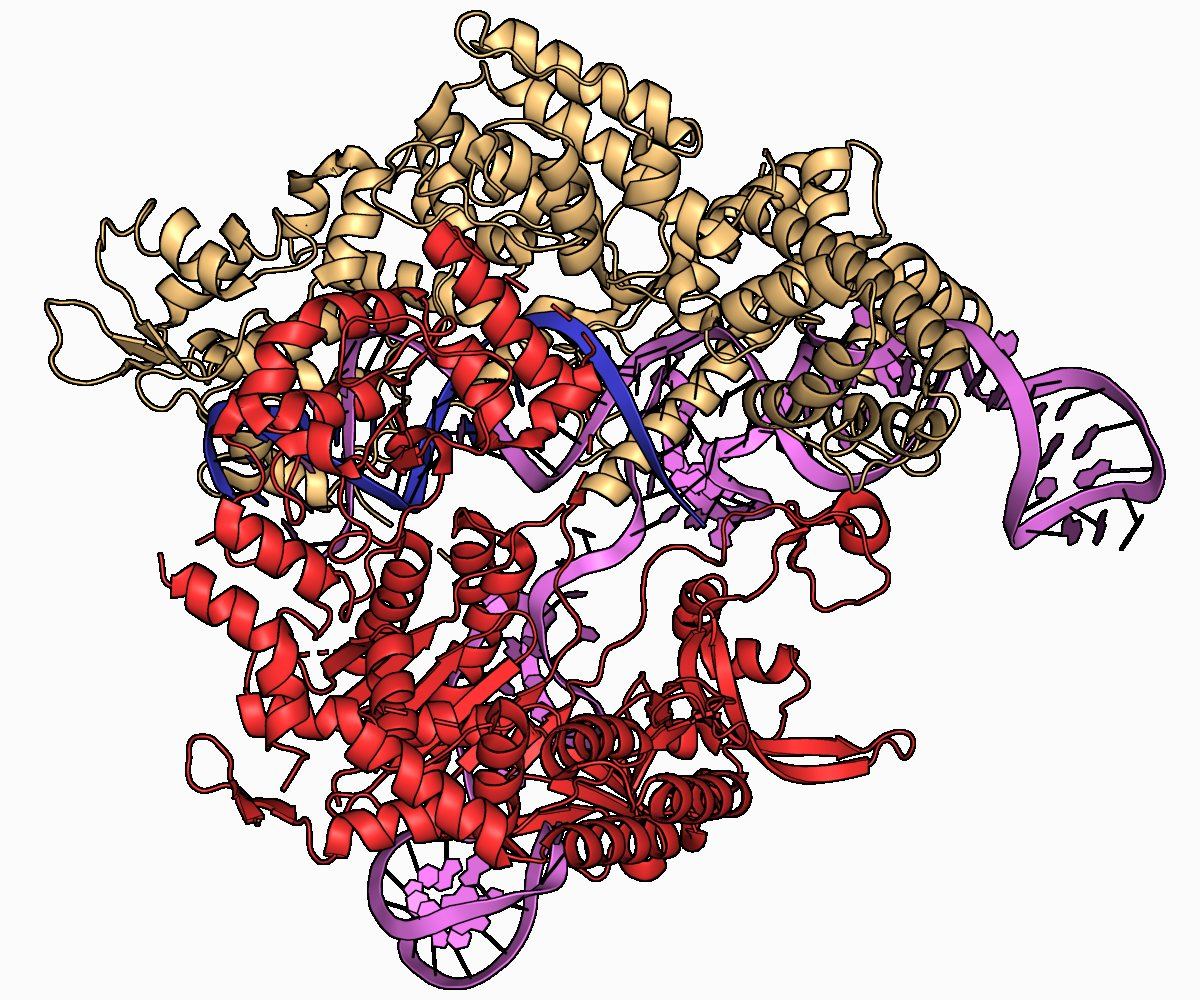
With biotech results, do not dwell on the beat alone. What matters is whether the revenue is repeatable, how fast the cash is disappearing and whether the runway genuinely reduces the risk of future shareholder dilution.
Editas looks like the bill from a restaurant that is still cooking the main course: the company is firmly in the red, but the bill is smaller than the diners expected. Editas Medicine (EDIT) reported a second-quarter loss of USD 0.15 per share against an expected loss of USD 0.30; a year ago the loss was USD 0.63 per share. Revenue came in at roughly USD 8.5m and beat estimates — but crucially, it consisted of collaboration and other research and development income, not ordinary product sales of a drug to patients.
The biggest trap in this news is the word “beat”. At an ordinary company, better revenue can mean it sold more shoes, more cars or more subscriptions. At a clinical-stage biotech such as Editas, which is built on gene editing, revenue is often not a steady stream of customer payments; it may be tied to collaborations, milestones, licences or accounting timing. Put another way, it matters a great deal whether the pub earned its money serving dinners or whether a friend sent over a deposit for a future wedding.
Arithmetically the surprise is substantial: a loss of USD 0.15 per share is USD 0.15 better than the expected minus USD 0.30, in other words half the loss the market had penned in. Year on year the loss narrowed from USD 0.63 to USD 0.15, an improvement of USD 0.48 per share, roughly 76%. Revenue of around USD 8.5m also looks far better than the roughly USD 0.5m a year earlier — but its quality differs from that of a company selling an approved drug: this is not recurring product income but a line tied to collaborations and R&D agreements. That is a useful signal of cost discipline or a better revenue mix, but it is not the same as proof that the company is nearing self-funding. In biotech, the income statement is more like the rev counter in a prototype than a supermarket till: it shows how quickly you are burning fuel, but on its own it says nothing about whether the car will pass type approval.
The unconventional reading, then, is this: the point is not merely that EDIT reported a better number. The point is whether that number lowers the probability of early shareholder dilution — that is, of issuing new shares to fund development. Here the other half of the equation is needed: cash. After the second quarter Editas held cash, equivalents and marketable securities of the order of USD 210m, and management points to a financial runway into the second quarter of 2027. Comparing end-of-quarter cash with the end of the previous year implies a double-digit million drawdown of cash over the quarter — still a company in development mode, not a cash machine. With small biotechs, that is often what the market cares about more than the quarterly result itself.
Who gains and who loses
The news carries a positive tinge chiefly for Editas Medicine (EDIT), because a smaller-than-expected loss can improve perceptions of financial control in the short run. The verifiable channel is simple: in the next report or the 10-Q, look for operating cash flow, R&D spending, administrative costs, the share count and the composition of revenue. At Editas the key distinction is precisely that the roughly USD 8.5m of revenue is not product sales; alongside that, watch whether the cash runway into the second quarter of 2027 holds steady over the coming quarters.
It may help gene-editing biotechs such as CRISPR Therapeutics (CRSP), Intellia Therapeutics (NTLA) or Beam Therapeutics (BEAM) a little too, though more through sentiment than fundamentals. If investors come to believe that smaller losses mean less funding pressure, appetite for holding riskier development stories improves. How to check: watch whether it is only EDIT that moves or the broader biotech baskets such as XBI or IBB, and whether the advance comes with volume rather than being a headline reaction alone.
Caution, by contrast, is warranted where a revenue surprise is one-off. If better revenue stems from a milestone payment, that is not the same quality as repeat product sales. Themed oncology biotechs such as Iovance Biotherapeutics (IOVA) or Arvinas (ARVN) draw no direct fundamental benefit from this unless a similar treatment mechanism, the same regulatory shift or a shared partner is involved.
With news of this kind, use a three-step filter. First: the size of the surprise — here USD 0.15 per share against the estimate and USD 0.48 year on year. Second: the quality of the revenue — at Editas, the roughly USD 8.5m does not look like product sales but like income from collaborations and R&D agreements, which is a different animal from repeat drug sales. Third: funding — cash of around USD 210m, the quarterly burn and a runway into the second quarter of 2027 say more about dilution risk than any flattering headline. Without those three points, a headline about better revenue is just confetti in a laboratory.
Loss per share tells you how much of the red ink falls on a single share. Imagine you expected to be 300 crowns down by the end of the evening but ended up only 150 down. Is that better? Yes. Are you in profit? No. For the market it spells relief, because the company may be burning money more slowly; for the ordinary person the moral is the same: with biotech shares, a pretty headline is not enough — what counts is whether the company’s money lasts to the next big step in drug development.
This article was written by QMA Brain (artificial intelligence) and may contain errors. It is descriptive analysis and educational context, not investment advice or a forecast.
Analytical and educational content — not investment advice. The author is not a registered investment adviser. Past performance is not a guide to future results.
Sources
We report facts from the sources above in our own words and link to the originals. Interpretation is ours, not theirs.
Every headline has a deeper story. This is ours.
What we are doing here