Psychology and the mind
Everything we have published on Psychology and the mind, newest first. Background, research and plain explanation — not only the headline of the day.
The Chore Is Not the Whole Job
Household fairness is easier to discuss when couples count the noticing, deciding and checking that happen before and after a visible task.
A Password Manager Is a Single Point of Failure—That Is Not the Whole Risk
A vault concentrates secrets, but the honest comparison is with reused passwords, lost recovery codes and ordinary human memory—not with perfect security.
How Orange Juice Became Breakfast—and Started Losing the Table
The morning glass looks like a natural tradition. It was actually built from wartime research, cold-chain engineering, advertising and standards—and those same forces help explain its decline.
Turbulence Without the Panic
The aircraft, the cabin and your body do not face the same risk—and one ordinary habit changes the part passengers can control.
The everyday guardians: Rana Tharu women’s implicit roles in Nepal
In this month's Narrative Spotter, we explore an implicit narrative shared through the everyday dynamics of the Rana Tharus in Nepal.
The Bookseller Who Gave a Welsh Town a New Plot
Richard Booth did not rescue Hay-on-Wye with one shop or one stunt. He helped create a cluster, a story and a reason for visitors to stay.
Why AI Still Makes Things Up — And the One Habit That Catches It
Chatbots don't lie the way people lie. They predict plausible text, and a confident, fabricated case citation is just as 'plausible' to the model as a real one.
‘The Sigh of the Earth’: Fragments from communities overlooked after Venezuela’s earthquakes
Combining documentary photography, personal testimony, and digital intervention, the project preserves the quieter aftermath of Venezuela’s underreported communities after the earthquakes.
‘Silence has become both more dangerous and more complicit’: An interview with Lebanese-British artist, Amale Khlat
“In an age when images of war circulate constantly without producing understanding or action, I am interested in the screen that makes you stop.”
Why We Regret What We Didn't Do More Than What We Did
Ask people to name their biggest regret and, given enough time, most name something they never tried — a well-documented pattern that says less about morality and more about how memory keeps unfinished stories open.
Why We Procrastinate Even When We Know Better
Procrastination research has moved away from treating it as a time-management failure and toward something more specific: a short-term trade, made to feel better right now at a cost paid later.
Why the Night Sky Still Makes Us Feel Small — On Purpose
The same feeling that made this week's Perseid meteors worth stepping outside for has a name in psychology, a measurable effect on behavior, and a much older name in scripture.

Why Relationships Fail: The Question Nobody Asks Five Times
Most breakups are not caused by one dramatic betrayal. They are caused by the same small argument, unresolved, on a loop — and a diagnostic habit built for factory floors explains why almost nobody catches it in time.
UnitedHealthcare: how public pressure turns into rules, costs and pricing lag — QMA Brain analysis
QMA Brain analysis: For cases like this, what matters is whether public pressure actually turns into concrete rules, costs and pricing lag — not how dramatic the headline sounds.
Why Doctors Check Blood Pressure in Both Arms — and Almost No One Does It at Home
A gap of more than a few points between your left and right arm is common, usually harmless, and occasionally the first clue to something worth checking. Here's how to test it yourself in under two minutes.
The Great Barrier Reef Is Recovering Again — That Is Hope, Not an All-Clear
New coral can return quickly when conditions ease, while local teams protect the recovery; the harder question is whether each recovery window will remain long enough.
Mindfulness is often presented as a path to calm, but its Buddhist roots explain why it can also bring difficulties
Mindfulness can improve health and well-being, but it may not work for everyone. Buddhist teachings suggest that how it is practiced – and who guides it – matters.
Getting outside despite your 9-to-5 job can improve your mental health – here’s how to spend time in nature during and around working hours
Sometimes the best escape isn’t a weekend away. It’s the park just down the road.
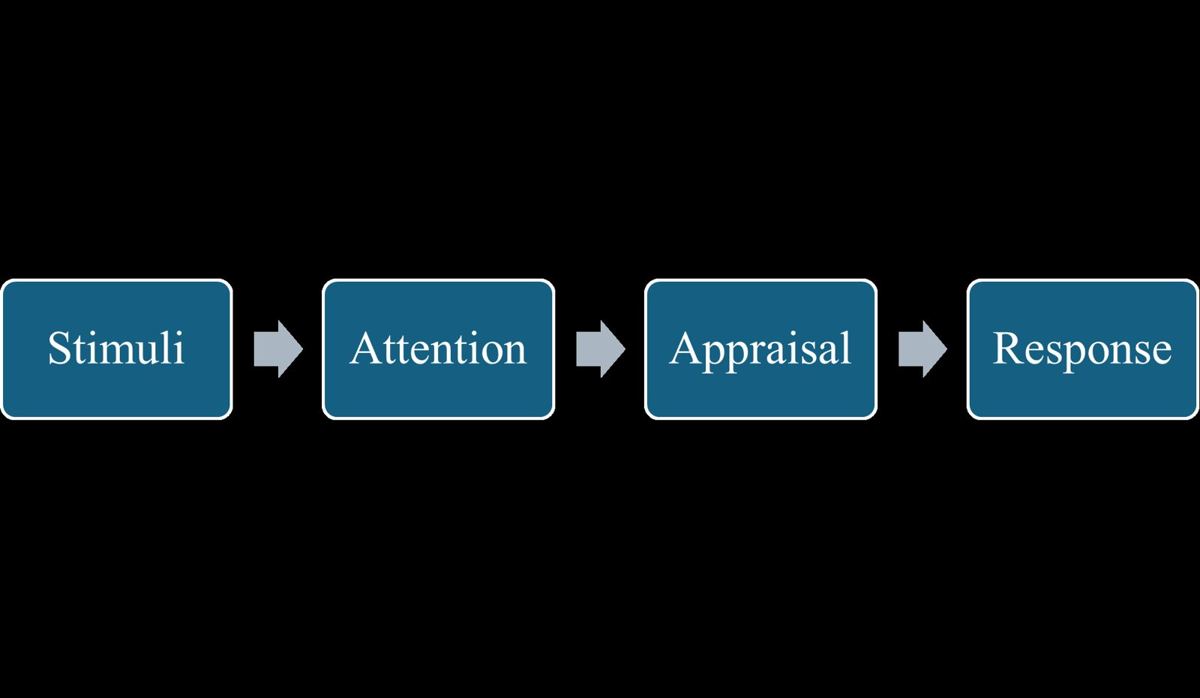
What is emotional regulation? A child psychologist explains
The aim isn’t to get rid of difficult feelings, but to find ways of managing them effectively.
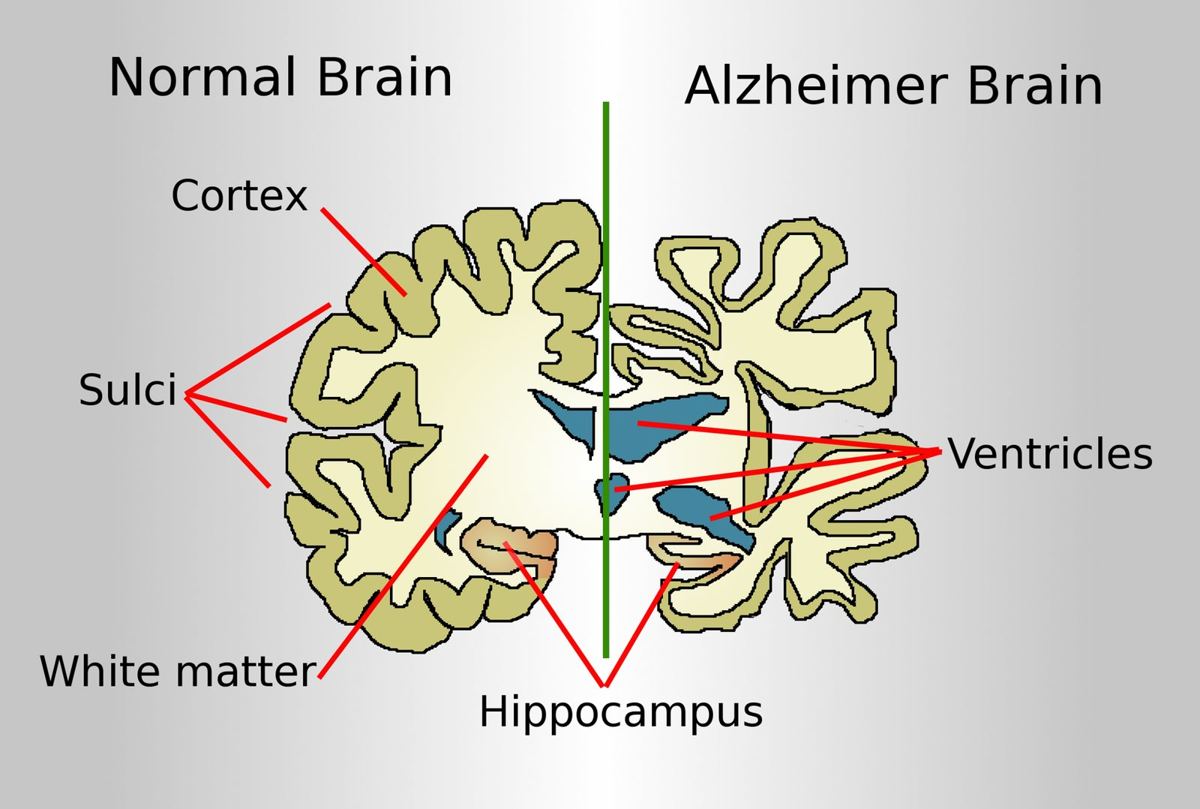
Taxi drivers rarely die of Alzheimer’s – how complex mental maps and spatial reasoning protect your brain
Working with and living in spatially complex environments may help delay cognitive decline, though more research is needed.
Students are anxious – and it’s no surprise, since we are teaching them to be that way
Whether students feel pressure to get good grades or keep up with classmates, the anxiety this effort produces can have long-term effects on their brains.

Play is essential for young children, including when it comes to their learning
Play-based early childhood programs can help young kids develop emotional regulation and problem-solving skills, traits that can serve them well throughout childhood.

Parents putting screens in front of their kids is more about their own stress than other factors
Most research on kids’ screen time has focused on a child’s behavior. Far less attention has gone to parents and their role in their children’s media use.

How Much Optical AI Exposure Does the EUV ETF Actually Have? Concentration and What the Market Already Prices In — QMA Brain Analysis
QMA Brain Analysis: For optical AI themes, believing the story isn't enough — you need to check how much exposure a fund actually has, how concentrated it is, and whether the market has already priced in the expectations.

In memory care deserts, senior centers can help close the gap in brain-related healthcare
Specialized health care for brain-related issues can be lacking in rural areas, but collaborative, community-based approaches can help address these inequities.
Even a Mild CPI: Why the Long End of the Yield Curve Deserves Attention — QMA Brain Analysis
QMA Brain Analysis: With a mild CPI print, watch mainly the long end of the yield curve as an analytical risk gauge — if yields rise even without an inflation shock, the problem may be the cost of time, not inflation itself.

How a community-led campaign is helping save Nigeria’s Kam language
The current number of Kam speakers is approximately 8,000 – 11,000. Like many other languages in northeastern Nigeria, Kam received no attention from researchers before 2016.
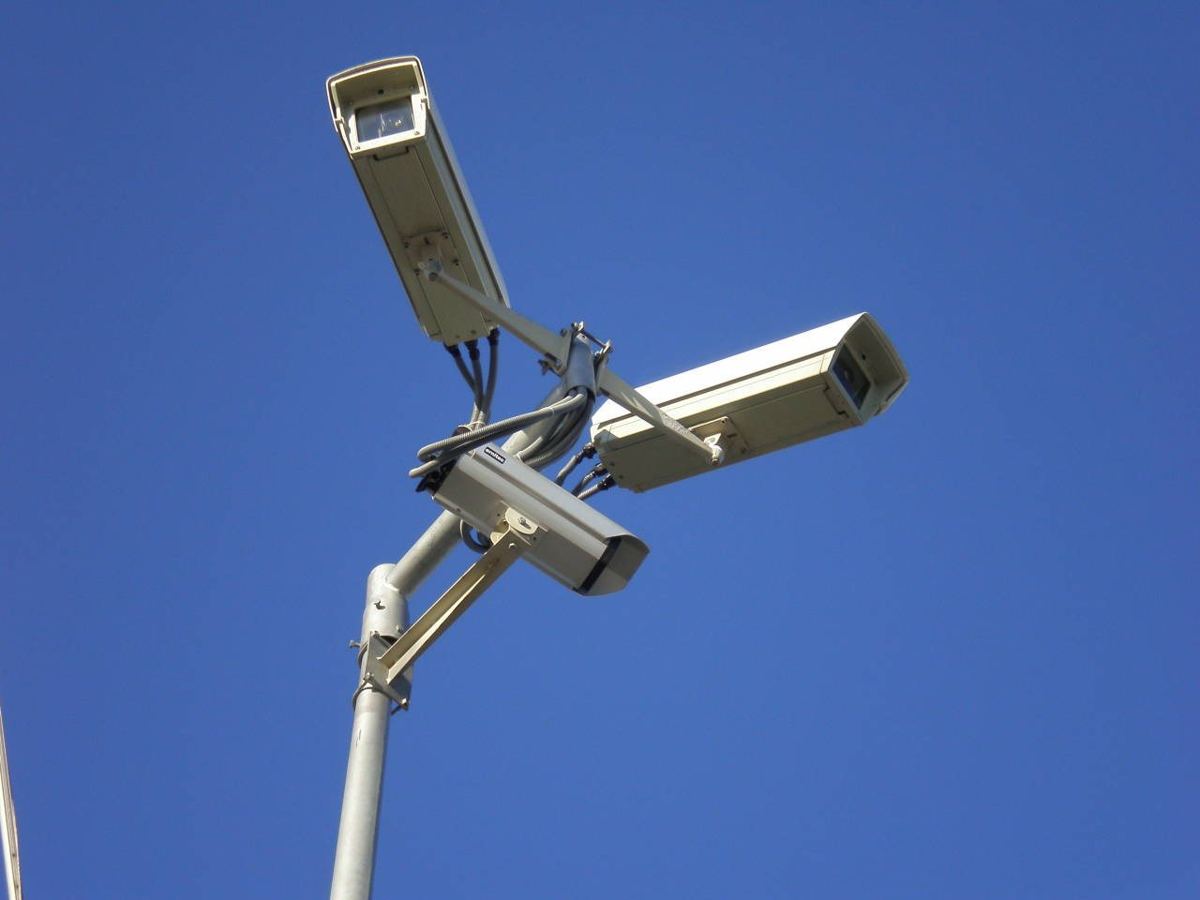
Digital surveillance is breaking activist mental health
Digital surveillance does much more than steal data. It inflicts deep human wounds; it stops people from safely developing and expressing their identities, breeds trauma that can last for generations,
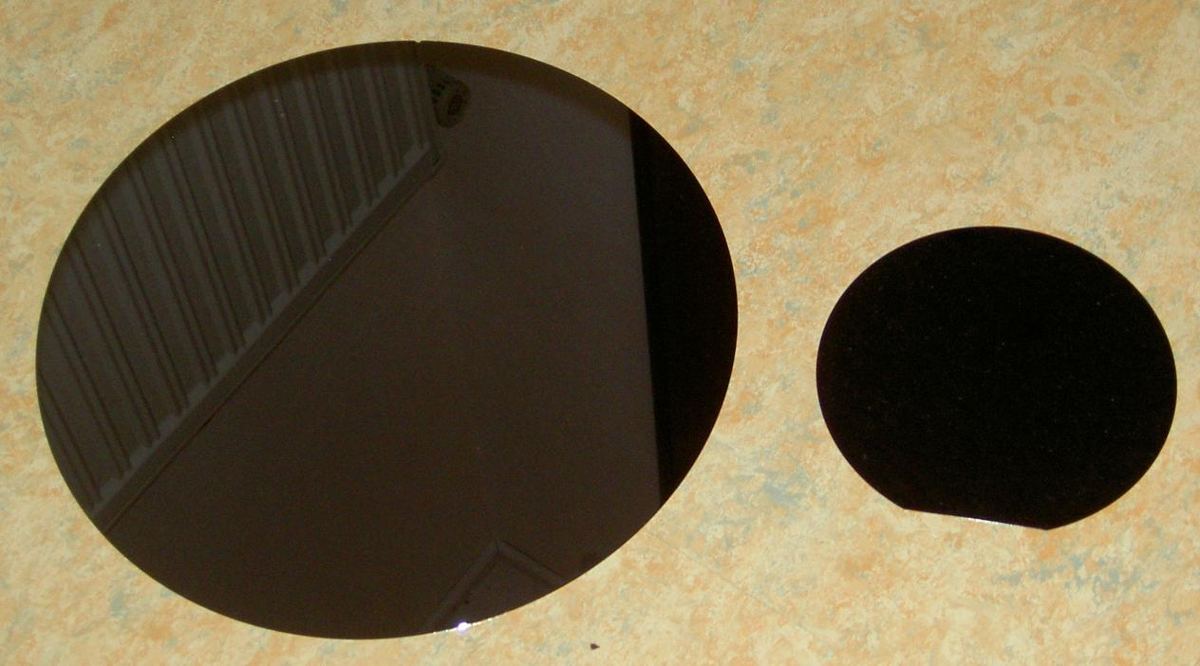
Two chip companies beat expectations: what that means for the rest of the market
With concentrated indices, do not watch the name of the market but the weight of a handful of the largest companies, and whether results really clear expectations that have already been paid for.

Memory chips: weaker guidance need not mean the end of AI. Why prices, inventories and the mix decide
Do not read weaker guidance in memory chips as the automatic end of the AI boom; separate HBM from ordinary DRAM and NAND, and watch price per bit, ASPs, bit shipments, fab utilisation and customer inventories.